Best Side trips to Combine with Everest Base Camp Trek
The Everest region is a destination that captures the imagination of adventurers, nature lovers, and culture seekers from all over the world. The journey to Everest Base Camp is already a remarkable experience filled with dramatic landscapes, Sherpa heritage, ancient monasteries, and unforgettable Himalayan scenery.
Yet what many travelers do not realize is that the Everest region offers far more than the classic trail. Side treks, scenic detours, cultural experiences, and adventure add ons can transform a traditional itinerary into something richer, deeper, and far more personal.
Trekkers often discover that the Khumbu region is a vast network of interconnected valleys, high passes, glaciers, and hidden viewpoints. Each of these places has its own beauty and stories to tell.
With proper planning, anyone completing the Everest trek can enhance their journey by adding unique experiences that match their interests, whether it is photography, culture, challenge, comfort, or higher adventure.
From quiet Sherpa villages to high altitude lakes, from monastery ceremonies to panoramic Himalayan viewpoints, the possibilities are endless.
This blog explores ten of the best side treks and activities that can be seamlessly combined with a trip to Everest Base Camp. Each option adds a layer of depth to the journey and allows trekkers to return home with memories that go beyond the usual route.
1. Helicopter Return from Gorakshep for an Aerial Himalayan Experience
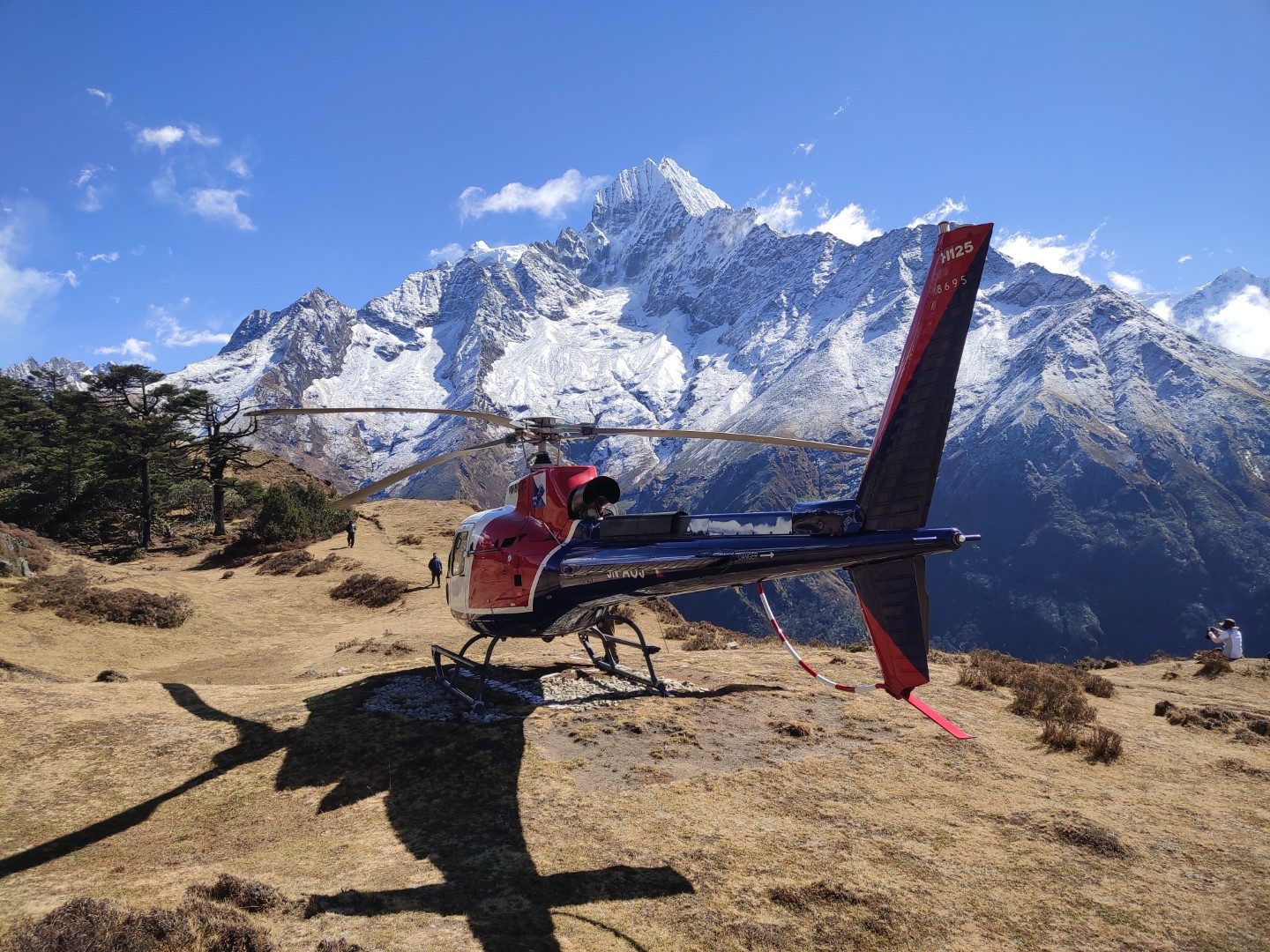
One of the most exciting and memorable add ons is arranging a helicopter return from Gorakshep after reaching Everest Base Camp or climbing Kala Patthar. This option is perfect for trekkers who want to avoid repeating the long descent back to Lukla or for those who wish to end their trek in dramatic fashion.
The flight offers a breathtaking aerial view of the Khumbu Glacier, Everest, Lhotse, Nuptse, Ama Dablam, and the deep valleys carved by centuries of ice movement. It gives travelers a fresh perspective of the terrain they spent days walking through, revealing its scale and beauty from above.
Some trekkers specifically choose packages such as the Everest Base Camp Trek with Helicopter Return, which combine the full trekking experience with the comfort and thrill of a helicopter flight at the end. This option is not only time saving but also incredibly scenic. The views from the sky include panoramic perspectives of the entire Everest region, allowing trekkers to appreciate the landscape in a way that is impossible from the ground. For many, this becomes the most unforgettable moment of their entire Himalayan journey.
2. Kala Patthar Sunrise or Sunset Ascent
Kala Patthar is widely regarded as the best viewpoint for seeing Mount Everest up close. While many itineraries include a visit, few trekkers take the time to schedule their climb for sunrise or sunset. Extending your stay in Gorakshep by one night allows you to plan the ascent during the time of day when the mountains look their best.
At sunrise, Everest glows under the first light, turning golden as the peaks catch the sun. The crisp morning air and clear visibility make it ideal for photography. Sunset produces a completely different palette, with hues of pink and purple spreading across the horizon. Because Kala Patthar sits above five thousand five hundred meters, the views are expansive and dramatic. Adding this timing flexibility to your itinerary elevates the experience significantly.
3. Ama Dablam Base Camp Side Trek
Ama Dablam is one of the most striking mountains in the world. Trekkers admire its perfect, sharp shape throughout the journey, but very few take the opportunity to walk right to its base. From Pangboche, a scenic side trail leads to Ama Dablam Base Camp. It is not as busy as the main EBC route, which means the walk feels peaceful and immersive.
The trail winds through open fields, river crossings, yak pastures, and gentle slopes. Reaching the base camp gives trekkers a rare chance to stand directly beneath the towering ridge lines of Ama Dablam. The area is often populated with climbing teams, tents, and prayer flags, creating a blend of adventure and spirituality. This side trek also serves as an excellent acclimatization hike, helping trekkers prepare for altitude as they move higher.
4. Chhukung Valley and Chhukung Ri Extension
One of the most underrated side extensions from the EBC trail lies to the east of Dingboche. The walk into the Chhukung Valley provides sweeping views of Lhotse, Nuptse, and the Island Peak region. The valley feels open, vast, and quiet, offering a peaceful alternative to the busier main route.
For trekkers seeking challenge, climbing Chhukung Ri adds a rewarding summit experience without requiring technical skills. From the top, the views extend across glaciers, peaks, and the remote valleys leading toward Makalu. Clear skies reveal dramatic ridgelines and ice formations that are rarely seen by those who only follow the main trail. Adding a visit to Chhukung enriches the journey with both scenery and altitude training.
5. Gokyo Lakes and Cho La Pass Connection
Combining the Everest Base Camp trail with the Gokyo Valley through the Cho La Pass creates one of the most visually spectacular trekking circuits in Nepal. The Cho La Pass itself is challenging, involving steep sections and glacier travel. However, the rewards are extraordinary.
Once trekkers enter the Gokyo region, they encounter the famous turquoise lakes that shimmer against snow capped peaks. The largest among them, Gokyo Lake, is a serene and sacred body of water that reflects the deep blue sky. The hike up Gokyo Ri is one of the finest viewpoints in the Himalayas, offering an unmatched panorama of Everest, Cho Oyu, Lhotse, and the mighty Ngozumpa Glacier. This extension transforms the traditional EBC trek into a more diverse and scenic adventure.
6. Everest Three Passes Circuit for Adventure Seekers
For those who crave high mountain challenges and panoramic viewpoints, adding one or more of the three major passes is an excellent option. The Everest Three Passes route includes Kongma La, Cho La, and Renjo La. Each pass connects different valleys, creating a full circuit that explores nearly every highlight of the Khumbu region.
Kongma La offers views over the Imja Valley and Ama Dablam. Cho La links the Gokyo Valley with the Everest Base Camp route. Renjo La delivers one of the most incredible visual perspectives of Everest, Gokyo Lakes, and the surrounding peaks. This circuit is demanding, requiring endurance and acclimatization, but it offers a level of diversity and adventure that few trekking routes can match.
7. Cultural Detour to Khumjung and Khunde Villages
Sherpa culture is one of the defining elements of the Everest region. While Namche Bazaar is the cultural hub, the nearby villages of Khumjung and Khunde offer a more authentic and traditional experience. Adding an extra acclimatization day makes it easy to explore these neighboring settlements.
In Khumjung, travelers can visit the Hillary School, which has supported local education since the 1960s. The nearby monastery is known for housing an alleged yeti scalp, a fascinating piece of Himalayan folklore. Khunde is home to the historic Hillary Hospital, an institution that has provided medical care to remote communities for decades. Walking through these villages reveals the rhythms of Sherpa life, from agriculture to religious practice, and gives trekkers a deeper understanding of the region.
8. Overnight at Tengboche to Join Monastery Ceremonies
Tengboche Monastery is one of the spiritual centers of the Khumbu. Many trekkers pass through during the day, but staying overnight is the best way to experience its profound atmosphere. The morning and evening ceremonies inside the monastery allow visitors to listen to Buddhist chants, observe monks at prayer, and enjoy the peaceful ambience of the surroundings.
The setting of Tengboche is exceptional, surrounded by panoramic views of Everest, Ama Dablam, Thamserku, and Lhotse. Watching the changing colors of the mountains at sunrise or sunset while standing on monastery grounds is a spiritual moment for many travelers. This simple addition turns an ordinary visit into a meaningful cultural experience.
9. Upgrading to Luxury Lodges for Added Comfort
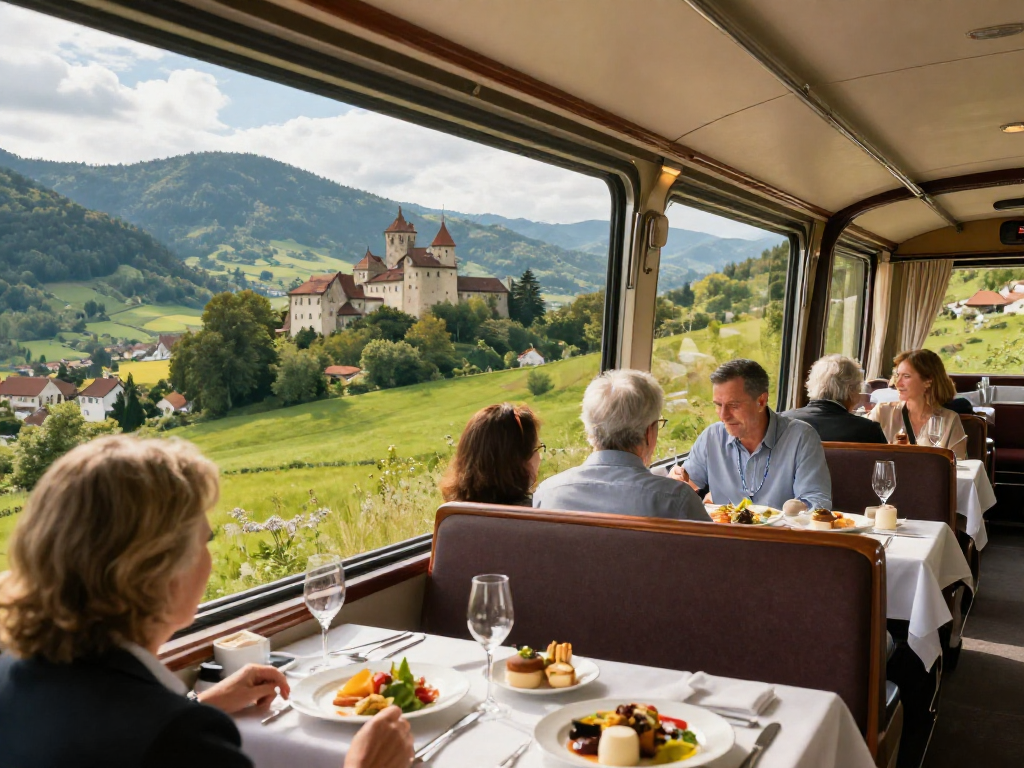
The Everest trail is known for its simplicity and rugged charm, but trekkers who prefer comfort can enhance their journey by staying in luxury lodges at selected locations. These lodges offer heated rooms, private bathrooms, high quality bedding, and restaurant style meals. They provide modern comfort while still maintaining a local feel.
Luxury lodges are available in Lukla, Phakding, Monjo, Namche, and Deboche. Upgrading for a few nights helps trekkers recover faster, stay warm, and enjoy a more restful sleep. This option is especially popular among families, honeymoon travelers, special occasion groups, and anyone who wants an elevated experience without compromising the adventure.
10. Island Peak Climbing for Aspiring Mountaineers
For trekkers who want to push beyond hiking, Island Peak offers an introduction to Himalayan mountaineering. The climb requires training in basic rope techniques, crampon use, and glacier travel. After acclimatizing on the EBC trail, many trekkers add Island Peak as a high altitude challenge.
The climb rewards adventurers with a dramatic summit ridge and some of the best panoramic views in the Everest region. It is a major personal achievement and provides deeper appreciation for the skill and endurance required to summit Himalayan peaks.
Conclusion
The journey to Everest Base Camp is an incredible adventure on its own, but adding side treks and activities makes it even more memorable. Whether you want panoramic viewpoints, cultural immersion, adventure challenges, or unique experiences like a helicopter flight, the Everest region has endless possibilities. With thoughtful planning, your trek can become a richer, more personalized exploration of the Himalayas. Each of these add ons enhances the journey in its own way, ensuring that your time in the Khumbu becomes a once in a lifetime experience filled with discovery and inspiration.