Introduction to Goechala Trek
The goechala trek is a journey that immerses trekkers in the majestic beauty of Sikkim, a northeastern state of India known for its stunning landscapes and rich biodiversity. Nestled in the Himalayan range, this trek challenges both novice and experienced adventurers with its stunning vistas and demanding trails. The trek leads to Goecha La, the iconic viewpoint that offers panoramic views of Kanchenjunga, the third highest peak in the world, and a host of other majestic mountains. In this guide, we will delve deep into all aspects of the Goechala trek, from preparation to execution, ensuring that you are well-equipped for this remarkable adventure.
Overview of the Region
Sikkim is a treasure trove of natural beauty. It is characterized by dense forests, impressive mountain ranges, and unique flora and fauna. The Goechala trek initiates from Yuksom, the first capital of Sikkim, a quaint village that serves as the gateway to several trekking routes in the region. This picturesque location is surrounded by lush green hills, making it a perfect starting point for adventurers. The trek winds through Kanchenjunga National Park, a UNESCO World Heritage site, offering trekkers a chance to experience the rich biodiversity of the region.
Significance of the Trek
The Goechala trek isn't just about reaching a destination; it's about the journey and the experiences that come along with it. As you trek, you will encounter diverse landscapes from dense forests and serene lakes to alpine meadows and rugged terrains. The trek is notable not only for its breathtaking views but also for its cultural significance, allowing trekkers to witness the rich traditions of the local Sikkimese people. Furthermore, standing at Goecha La and witnessing the grandeur of the Kanchenjunga massif is an experience that stays etched in the memory forever.
Best Time to Trek
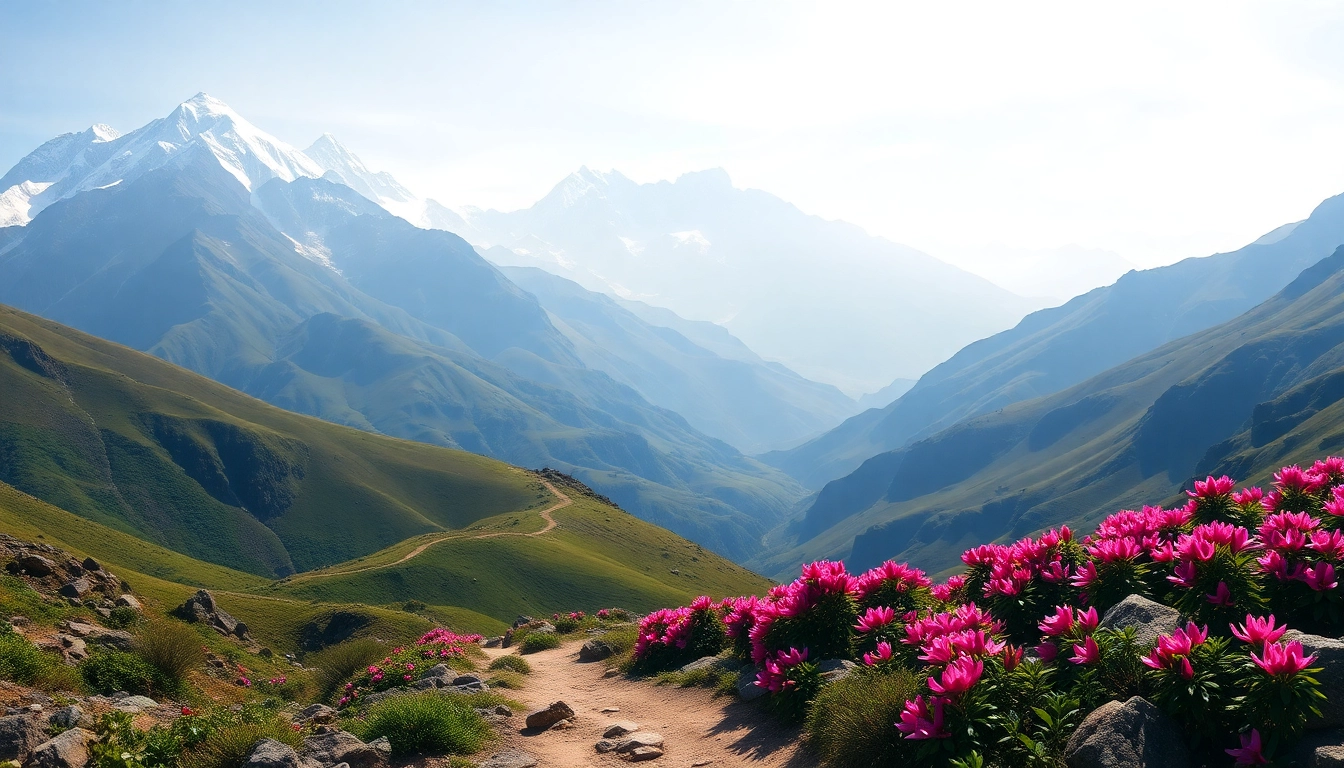
The ideal time for the Goechala trek is from late March to early June and mid-September to early November. During these months, the weather is generally clear, offering stunning views of the mountains. The spring season allows trekkers to enjoy blooming rhododendrons, while autumn provides a crisp atmosphere perfect for trekking. In contrast, the monsoon season brings heavy rainfall, which can make the trails treacherous, and winter presents extreme cold and snow, making trekking challenging.
Preparing for the Goechala Trek
Physical Preparation and Training
The Goechala trek spans approximately 90 kilometers and involves significant altitude gain, making physical preparation crucial. Trekking enthusiasts should engage in endurance-building exercises three to four months prior to the trek. Recommended activities include jogging, hiking, cycling, and swimming. Building core strength through yoga or pilates can also be beneficial. Aim to achieve a good balance between cardio workouts and strength training to prepare your body for the challenging climbs and descents you will encounter during the trek.
Essential Gear and Supplies
Having the right gear is essential for a successful trek. Key items include:
- Footwear: Durable and comfortable trekking shoes are crucial for navigating rocky terrains.
- Clothing: Layered clothing helps regulate body temperature. Include moisture-wicking base layers, insulating mid-layers, and waterproof outer layers.
- Camping equipment: A good-quality tent, sleeping bag suitable for cold temperatures, and a sleeping pad for comfort.
- First-aid kit: Essential to address any minor injuries or ailments during the trek.
- Hydration system: A hydration pack or water bottles to ensure you stay hydrated throughout the journey.
Understanding Weather Conditions
Understanding the weather is critical for planning each leg of your trek. Because Sikkim's weather can be unpredictable, trekkers should check forecasts regularly and remain adaptable to changes. The temperature can drop sharply at higher altitudes, so it is wise to be prepared for chilling winds and possible rain, even during peak trekking seasons. Learning about these conditions ahead of time will help you pack appropriately and make informed daily trekking decisions.
Itinerary and Route of Goechala Trek
Day-by-Day Breakdown
A typical Goechala trek itinerary lasts about 10 to 11 days, allowing sufficient time to acclimatize and enjoy the scenery. Here’s a general breakdown:
Day 1: Yuksom to Sakhi (Sachen)
The trek begins from Yuksom, moving towards Sakhi covering about 10 km through dense forests. Camp at Sachen and enjoy the serene surroundings.
Day 2: Sakhi to Tshoka
Today involves a 7 km ascent to Tshoka, where trekkers can enjoy views of lush valleys and majestic rivers.
Day 3: Tshoka to Dzongri
The toughest leg of the trek, covering 10 km, leads you through a steep ascent to Dzongri, a key campsite.
Day 4: Acclimatization at Dzongri
A rest day for acclimatization is essential. Trekkers can explore nearby viewpoints and take short hikes.
Day 5: Dzongri to Thansing
This leg involves 10 km of trekking to Thansing through fascinating landscapes, characterized by meadows and mountains.
Day 6: Thansing to Goecha La and Return
The day begins early as trekkers make their way to Goecha La (5,000 m). The trek covers about 14 km. After enjoying stupendous views, return to Thansing.
Day 7: Thansing to Tshoka
A descent back to Tshoka requires around 12 km of walking, providing time to reflect on the stunning scenery experienced.
Day 8: Tshoka to Yuksom
Completing the trek with a final 10 km descent back to Yuksom, soaking in the last views of the majestic mountains.
Key Campsites and Rest Stops
Strategically placed campsites ensure trekkers have adequate rest and acclimatization opportunities. The notable campsites include:
- Sakha (Sachen) : Offers peaceful surroundings for the first night.
- Tshoka : A vibrant spot with stunning views and a panoramic view of the hills.
- Dzongri : Known for its vast meadows, perfect for rest and meals.
- Thansing : The last campsite before reaching Goecha La, offering breathtaking mountain views.
Navigation Tips and Trail Markings
While the trail is generally well-marked, with local guide assistance, trekkers should carry a map for navigation. Utilizing a GPS device or app can enhance your journey, ensuring you stay on course, especially during less clear sections. Be familiar with key trail markers, which can indicate direction and distance to the next campsite, keeping you informed and secure along your trek.
Challenges & Safety on the Goechala Trek
Physical and Technical Challenges
While the Goechala trek offers breathtaking views and memorable experiences, it can also be quite demanding. Trekkers face sharp ascents and high-altitude conditions, which may lead to altitude sickness. To mitigate these risks, proper acclimatization is key. Gradually ascending and listening to your body's signals will help you stay safe and enjoy your trek.
Weather Hazards and Precautions
Unpredictable weather is a hallmark of high-altitude trekking. Sudden rain or snow can make trails slippery and challenging. It's essential to always check weather forecasts and pack suitable gear to confront adverse weather conditions. Having a waterproof jacket and good-quality trekking poles can facilitate safer navigation in wet or slippery conditions.
Emergency Procedures and Support
Understanding emergency protocols is vital for safety during the Goechala trek. Always inform someone about your itinerary before starting your trek. Carry a first-aid kit, and familiarize yourself with basic first-aid procedures. Additionally, local rescue services can provide assistance in emergencies, making it essential to maintain contact with your trekking team leader for support.
Frequently Asked Questions About Goechala Trek
What is the difficulty level of Goechala trek?
The Goechala trek is considered difficult due to high altitudes, steep ascents, and unpredictable weather. It's advisable to have good fitness levels and prior trekking experience.
How long does the Goechala trek take on average?
The trek typically spans 10 to 11 days, allowing for acclimatization, rest, and exploration of the stunning scenery along the route.
What is the cost of undertaking the Goechala trek?
Costs vary depending on the trekking agency but generally range from ₹3000 to ₹6000 for permits, accommodation, food, and guides. Ensure to budget accordingly.
Is a guide necessary for the Goechala trek?
While it's possible to trek without a guide, having one is recommended due to the challenging nature of the trails and potential for altitude sickness.
Can beginners do the Goechala trek?
Beginners may find the Goechala trek challenging. It's best to have a good fitness level and some prior trekking experience to manage the rugged terrain effectively.