Understanding the Multi-Store Concept
Defining Multi-Store in Modern Retail
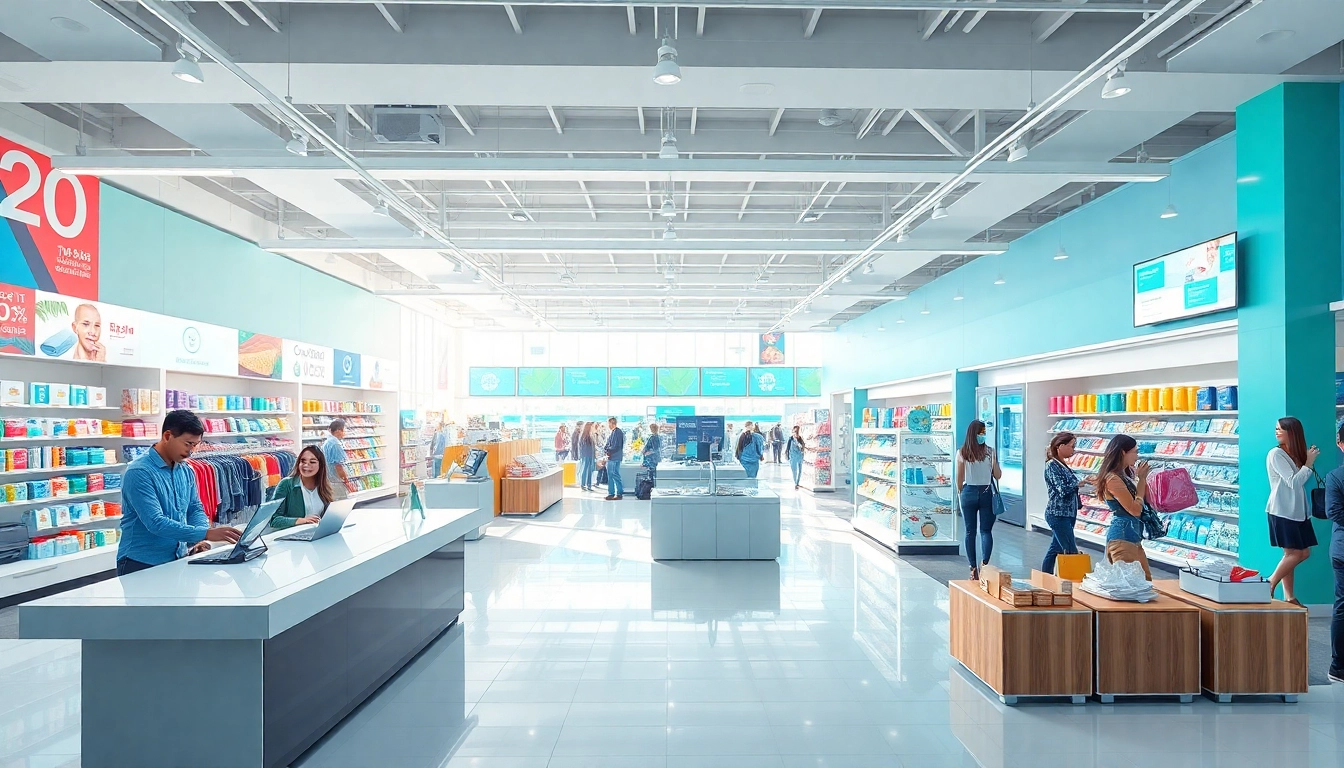
The concept of Multi-Store refers to a retail strategy that incorporates multiple product lines, brands, or services under a single retail umbrella. This approach has gained momentum in recent years as businesses strive to create versatile shopping environments that cater to diverse consumer needs. A Multi-Store facilitates a one-stop shopping experience, where customers can find everything from groceries to electronics, often in a singular, cohesive layout.
Benefits of a Multi-Store Approach
- Enhanced Customer Experience: By offering a wide variety of products, Multi-Stores attract a broader audience, enhancing customer satisfaction and loyalty.
- Cost Efficiency: Multi-Stores can streamline operations through shared resources like staffing, inventory management, and marketing, leading to cost reductions.
- Cross-Promotion Opportunities: Products from different categories can be strategically promoted together, increasing sales potential through bundling and discounts.
- Market Expansion: Multi-Stores allow retailers to enter new markets by introducing different brands or product lines, amplifying their market reach.
Key Features of Successful Multi-Stores
Successful Multi-Stores exhibit several characteristics that enhance their operational effectiveness:
- Diverse Product Range: A well-curated selection of products across various categories ensures that all customer needs are met.
- Consistent Branding: Maintaining a cohesive brand image across all product lines promotes customer trust and recognition.
- User-Friendly Layout: Designing the store layout to facilitate easy navigation can significantly improve the shopping experience.
- Customer Engagement: Implementing interactive displays or in-store demonstrations enhances customer engagement and promotes product education.
Planning Your Multi-Store Layout
Space Optimization Techniques
Maximizing space within a Multi-Store setting is crucial for facilitating a fluid shopping experience. Employing techniques such as vertical shelving, flexible displays, and modular furniture can help utilize every square inch effectively. Additionally, strategically placing high-demand items near the entrance can lead to increased foot traffic and enhance impulse purchases.
Integrating Technology for Enhanced Experience
Technology plays a vital role in the modern retail environment. Integrating self-checkout kiosks, mobile payment options, and interactive screens can streamline the shopping process. Furthermore, using digital signage to showcase promotions or highlight featured products keeps customers informed and engaged, while also reducing reliance on printed materials.
Customer Flow and Engagement Strategies
Understanding customer flow is key to optimizing the physical layout of a Multi-Store. Employing principles from behavioral psychology, such as the 'retail theater' concept, can significantly enhance the shopping experience. This incorporates creating engaging displays, clear signage, and strategically positioned product placements that guide shoppers naturally through the store.
Marketing Strategies for Your Multi-Store
Utilizing Social Media for Promotion
In today's digital landscape, leveraging social media platforms is essential for marketing Multi-Stores. Creating engaging content that showcases new arrivals, promotions, and exclusive in-store events can help cultivate an active online community. Utilizing targeted ads on platforms like Instagram and Facebook can also expand reach, particularly among younger demographics.
In-Store Events that Drive Traffic
Hosting in-store events such as product launches, workshops, or seasonal celebrations can serve as significant traffic drivers. These events provide customers with unique experiences that enhance loyalty and encourage word-of-mouth marketing. Collaborating with local influencers or community groups can further boost interest and attendance.
Establishing Loyalty Programs
Loyalty programs are a powerful tool for retaining customers and encouraging repeat business. Implementing a tiered rewards system can incentivize purchases while fostering a sense of community among shoppers. Offering personalized discounts or exclusive access to events for loyal customers not only retains existing clientele but can also convert new visitors into repeat patrons.
Operational Efficiency in Multi-Stores
Staff Training and Customer Service
An adequately trained workforce is essential for the success of any Multi-Store. Staff should be well-versed in product knowledge, customer service skills, and brand messaging to create a seamless shopping experience. Regular training and workshops can keep employees informed about new product launches and updates, fostering a knowledgeable and friendly environment.
Inventory Management Best Practices
Efficient inventory management is crucial for maintaining stock levels across a diverse product range. Utilizing inventory management systems that provide real-time updates can help in tracking sales trends and predicting future demand. Moreover, adopting a just-in-time inventory approach can minimize holding costs and reduce excess stock issues.
Utilizing Data for Improved Operations
Data analytics can provide valuable insights that inform operational decisions. Analyzing consumer behavior, sales patterns, and inventory turnover rates allows for adjustments in marketing strategies, inventory purchases, and staff allocation. Implementing customer feedback mechanisms can also refine the experience offered, ensuring it aligns with shopper expectations.
Measuring Success in Your Multi-Store
Key Performance Indicators to Track
To evaluate the success of a Multi-Store, several key performance indicators (KPIs) should be monitored. Metrics such as sales per square foot, customer footfall, average transaction value, and conversion rates provide a snapshot of operational health. These metrics should be reviewed regularly to identify trends and areas for improvement.
Customer Feedback and Adaptation
Customer feedback is an invaluable resource for refining the Multi-Store experience. Actively seeking input through surveys, social media channels, and direct interactions allows for real-time adjustments to strategies. Adapting to consumer preferences can not only enhance satisfaction but can also pre-emptively address potential issues before they escalate.
Long-term Growth Strategies
Developing a long-term growth strategy is essential for sustaining success in a competitive landscape. This may involve expanding product lines, exploring new market segments, or investing in e-commerce capabilities. Engaging in continual market research can keep businesses ahead of consumer trends, ensuring the Multi-Store remains relevant and competitive.
Frequently Asked Questions
What is a Multi-Store?
A Multi-Store is a retail concept that centralizes various product categories or brands under one roof, providing a diverse shopping experience.
How can I attract more customers to my Multi-Store?
Employing effective marketing strategies, hosting events, and creating loyalty programs can help attract and retain customers for your Multi-Store.
What are the key elements to consider in layout planning?
Key elements include space optimization, customer flow, product placements, and the integration of technology to enhance the shopping experience.
How can technology improve a Multi-Store experience?
Integrating technology such as self-checkouts, personalized marketing screens, and efficient inventory systems can greatly enhance customer satisfaction and operational efficiency.
What metrics should I track to assess performance?
Track KPIs like sales per square foot, average transaction value, customer footfall, and conversion rates to measure the performance of your Multi-Store.