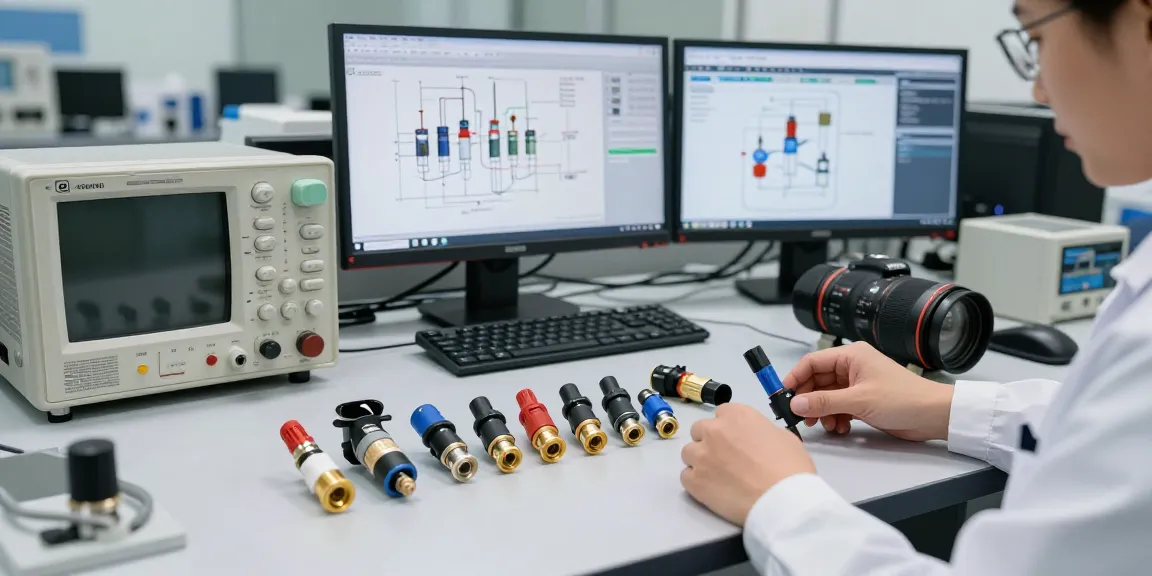
Understanding Engineered Composites
Definition and Basics of Engineered Composites
Engineered composites are specialized materials created by integrating two or more substances, enhancing specific properties such as strength, durability, and weight efficiency. Unlike traditional materials, engineered composites leverage the strengths of their components while mitigating weaknesses, resulting in solutions tailored for diverse applications. These composites combine fibers or particles with a matrix (usually a polymer, metal, or ceramic) to produce materials that can outperform conventional engineering materials in various critical performance metrics.
This innovative approach in material science not only addresses the need for lightweight, high-strength options but also supports industries’ sustainability goals by reducing material waste and optimizing lifecycle impact. By focusing on Engineered Composites, manufacturers are better equipped to meet the growing demands of modern engineering challenges.
Types of Engineered Composites
Engineered composites come in various forms, each tailored to specific applications and industries. The main types include:
- Polymer Matrix Composites (PMC): These are comprised of a polymer resin as a matrix with embedded fibers such as carbon, glass, or aramid. PMCs are prevalent in aerospace, automotive, and sporting goods due to their high strength-to-weight ratio.
- Metal Matrix Composites (MMC): These combine metal matrices (like aluminum or titanium) with reinforcements (like ceramics or fibers), offering enhanced thermal and wear resistance while maintaining lightweight characteristics. MMCs find applications in automotive and aerospace components.
- Ceramic Matrix Composites (CMC): Utilized in environments that require superior temperature resistance and mechanical stability, CMCs integrate ceramic materials to withstand extreme conditions. Applications include aerospace engines and medical devices.
- Hybrid Composites: These utilize two or more types of reinforcements within a single matrix, providing a versatile solution for achieving multiple desired properties. Hybrid composites are commonly seen in construction and sports equipment.
Properties and Benefits
The unique properties of engineered composites contribute to their increasing adoption across various sectors. Key benefits include:
- High Strength-to-Weight Ratio: Engineered composites are lightweight while offering exceptional strength, making them ideal for parts that require robust performance without added weight.
- Corrosion Resistance: Many composites resist environmental degradation, ensuring longer service life in harsh conditions.
- Design Flexibility: Composites can be tailored to specific requirements, allowing manufacturers to create complex shapes and designs that traditional materials cannot achieve easily.
- Reduced Manufacturing Costs: Though initial investment may be higher, overall costs can decrease due to reduced material usage, lower maintenance needs, and enhanced product lifespan.
Applications in Various Industries
Aerospace and Defense Innovations
In aerospace, engineered composites are pivotal in designing aircraft structures due to their low weight and high strength. Composites are used extensively in wings, fuselages, and interiors, improving fuel efficiency and reducing emissions. The military also employs these materials for lightweight vehicles, protective gear, and armaments, emphasizing performance and safety while minimizing weight.
Recent advancements in fiber-reinforced composites have led to notable innovations, such as the integration of smart materials that can monitor structural health and respond to environmental changes, extending lifecycle by enhancing predictive maintenance protocols.
Automotive Advancements
The automotive industry is rapidly incorporating engineered composites to enhance vehicle performance and sustainability. These materials contribute to electric vehicle development, reducing battery weight while expanding range and efficiency. Advanced composites are utilized in components ranging from structural frames to interior elements, significantly impacting fuel economy through weight reduction.
Moreover, the crash worthiness and safety of vehicles are being improved through composite technologies, allowing for energy-absorbing structures that comply with rigorous safety standards without compromising aesthetics.
Construction and Infrastructure Usage
Engineered composites are increasingly utilized in construction and infrastructure due to their resilience and longevity. Composites are ideal for reinforcing structures, providing superior tensile strength while resisting environmental wear and corrosion. Applications in bridges, buildings, and sporting facilities have demonstrated their reliability over time under various stress conditions.
Additionally, the flexibility of composites allows architects and engineers to innovate with design, leading to structures that are not only functional but also architecturally stunning. This versatility aligns perfectly with modern industrial design trends that seek sustainability and aesthetic appeal.
Manufacturing Processes for Engineered Composites
Common Techniques for Production
Engineered composites can be produced using several manufacturing techniques, each serving unique application needs:
- Lay-Up Method: This involves manually placing layers of fiber reinforcements into a mold and applying a resin to bond them. It's widely used for producing complex shapes in small to medium-sized production runs.
- Filament Winding: A continuous fiber is wound over a rotating mandrel, automating production for cylindrical components such as pressure vessels and pipes.
- Resin Transfer Molding (RTM): This process injects resin into a closed mold containing pre-placed fibers, creating high-quality parts with excellent surface finish. It is suitable for mass production of automotive parts.
- Additive Manufacturing: Utilizing 3D printing technology to create composites layer by layer is an emerging method, lending itself well to rapid prototyping and customization.
Quality Control Measures
Quality assurance is paramount in the production of engineered composites to ensure performance and reliability. Various measures include:
- Inspection Techniques: Non-destructive testing (NDT) methods such as ultrasonic testing, X-ray, and thermography help identify internal flaws without damaging products.
- Mechanical Testing: Tensile, compression, and flexural tests measure the composite's mechanical properties to ensure they meet specified standards.
- Standard Compliance: Adhering to industry standards (like ASTM or ISO) ensures that materials perform reliably across various applications and regulatory environments.
Customization and Design Considerations
Customizing engineered composites involves a thorough understanding of the intended application, desired material properties, and environmental conditions. Key considerations include:
- Material Selection: Choosing the right matrix and reinforcement material is crucial to achieving the required balance between weight, strength, and resistance.
- Manufacturing Process: The chosen production method can significantly affect the performance characteristics, cost, and scalability of the final product.
- End-Use Requirements: Understanding the operational environment—including thermal, mechanical, and chemical exposure—guides the design process to optimize long-term performance.
Recent Trends and Future Directions
Emerging Technologies in Composites
New technologies, such as bio-based composites and smart materials, are being developed to enhance the performance of engineered composites. Bio-composites utilize renewable resources, reducing environmental impact and supporting sustainability initiatives. Smart composites can react dynamically to environmental stimuli, allowing for self-healing properties in structures, which minimizes failure rates and extends lifespan.
The integration of Industry 4.0 technologies, such as IoT and AI in the manufacturing processes, is anticipated to optimize production cycles and enhance material performance through real-time data analytics.
Sustainability Practices
As environmental concerns become more prominent, engineers are exploring eco-friendly composite materials and production techniques. Traditional composites often rely on non-renewable resources, while innovations in bio-composites and recycling methods are leading to a more sustainable future. Implementing life-cycle assessments ensures that manufacturers under importance to both environmental impact and performance throughout the material life span.
Market Growth Predictions
The engineered composites market is projected to exhibit significant growth in the coming years, driven by advancements in material science and increasing demand across various industries, notably aerospace, automotive, and construction. Forecasts suggest that the adoption of engineered composites will surge as manufacturers recognize their benefits in innovation, cost savings, and sustainability, establishing them as a cornerstone in the future of materials.
Challenges and Solutions in Engineered Composites
Common Issues Encountered
Despite their advantages, engineered composites can present several challenges, including:
- High Production Costs: Initial expenses for advanced composites can be prohibitive, impacting widespread adoption.
- Recycling Difficulties: The complex compositions of engineered composites pose significant challenges for recycling and waste management.
- Specialized Knowledge Requirements: The need for expertise in the design and manufacturing processes limits accessibility for some manufacturers.
Proven Strategies for Overcoming Challenges
Strategies to mitigate these challenges include:
- Investing in Research: Funding R&D to explore cost-efficient manufacturing methods and alternative materials can help reduce costs and improve performance.
- Encouraging Recycling Innovations: Developing techniques for efficient recycling of composites can support sustainability and reduce environmental concerns.
- Training and Development: Establishing training programs for engineers and technicians can enhance knowledge and expertise in working with engineered composites.
Future Challenges and Potential Solutions
As the market evolves, additional challenges may arise, such as meeting regulatory requirements and addressing environmental impacts. Approaches to tackle these issues could include:
- Collaboration with Regulators: Close cooperation with legislative bodies can streamline compliance processes and promote industry-wide standards.
- Focus on Sustainable Practices: Continuous innovation in sustainable material sourcing and production will become crucial to align with global environmental goals.
- Adapting to Global Market Changes: Staying ahead of international market trends and consumer preferences is vital for ensuring competitiveness.
Frequently Asked Questions
What are engineered composites?
Engineered composites are materials created by combining two or more individual substances to enhance performance properties such as strength, durability, and weight reduction.
What industries use engineered composites?
Engineered composites are commonly used in aerospace, automotive, construction, and sports equipment, leveraging their lightweight and strong characteristics.
How are engineered composites manufactured?
Manufacturing techniques for engineered composites include lay-up, filament winding, and resin transfer molding, each tailored for specific applications.
What are the benefits of using engineered composites?
Benefits include improved strength-to-weight ratio, corrosion resistance, design flexibility, and potential cost savings in manufacturing and maintenance.
What are the challenges faced in engineered composites?
Challenges can include high production costs, difficulties in recycling, and the need for specialized knowledge in design and manufacturing.