What is a Smog Check?
Definition and Purpose of Smog Check
A Smog Check is an inspection process aimed at evaluating a vehicle's emissions output and compliance with environmental regulations. This procedure is designed to ensure that vehicles meet specific emissions standards which are crucial in controlling air pollution. The main objective of smog checks is to reduce the amount of harmful gases and particulates released into the atmosphere, contributing to better air quality and public health. This practice is not merely a formality; it plays a vital role in environmental conservation and public health protection.
Common Emissions Standards
Emissions standards vary by region and are usually set by federal or state environmental agencies. In general, vehicles are tested for common pollutants such as carbon monoxide (CO), nitrogen oxides (NOx), volatile organic compounds (VOCs), and particulate matter (PM). In regions with stricter regulations, such as California, vehicles must meet even tighter requirements based on their model year and technology. Understanding these standards can help vehicle owners be proactive in keeping their vehicles compliant.
Benefits of Regular Smog Checks
Regular smog checks offer numerous benefits including:
- Environmental Protection: By ensuring vehicles emit fewer pollutants, smog checks contribute to cleaner air, benefiting health and ecosystems.
- Cost Savings: Early detection of emission problems can prevent expensive repairs down the line.
- Validation of Vehicle Performance: routinely performing smog checks provides a measure of how well the vehicle is operating, potentially improving fuel efficiency.
- Compliance with Legal Requirements: In many places, passing a smog check is mandatory for vehicle registration, helping to keep the vehicle legal on the road.
When Should You Get a Smog Check?
State Regulations and Timing
The timing for smog checks is often dictated by state regulations. Many states require emissions tests before renewals of vehicle registration, particularly for older vehicles or in regions with high pollution levels. Some states implement variable schedules based on model year, requiring checks every two years for some vehicles while others may require yearly inspections. It's essential for vehicle owners to familiarize themselves with their local regulations regarding timings to avoid fines and ensure continuous operation of their vehicles.
Indicators Your Vehicle Needs a Smog Check
In addition to state regulations, there are specific indicators that suggest your vehicle may need a smog check:
- Check Engine Light: Illuminated warnings can indicate emission-related problems.
- Poor Performance: If you're experiencing decreased fuel efficiency or rough idling, a smog check can diagnose potential issues.
- Excessive Exhaust Smoke: Any noticeable smoke may indicate burning oil or other issues that need to be addressed.
Frequency of Smog Checks
The frequency of smog checks can depend on various factors, including vehicle age, local laws, and even driving conditions. States like California mandate smog checks every two years for older vehicles. For newer models, the check may be less frequent. Consequently, vehicle owners should maintain a schedule based on their state guidelines and any findings from previous checks.
Preparing for Your Smog Check
What to Bring to a Smog Check
Preparation is key to a smooth smog check process. Here are essential items to bring:
- Vehicle Registration: Proof of current registration is often required for the inspection.
- Identification: Valid ID may be needed if the inspection station requires verification.
- Payment Method: Know the cost of the inspection and bring acceptable payment methods.
How to Maintain Your Vehicle for Emissions Testing
Proper vehicle maintenance can aid in successfully passing smog checks. Regular oil changes, using quality fuel, and keeping the engine tuned can significantly lower emissions. Additionally, maintaining the exhaust system and ensuring that the catalytic converter is functioning well can prepare your vehicle for inspection.
Common Repairs Before a Smog Check
If you’re uncertain about your vehicle’s readiness for a smog check, consider these common repairs:
- Oxygen Sensor Replacement: A faulty sensor can increase emissions. Replacing it can help your vehicle run cleaner.
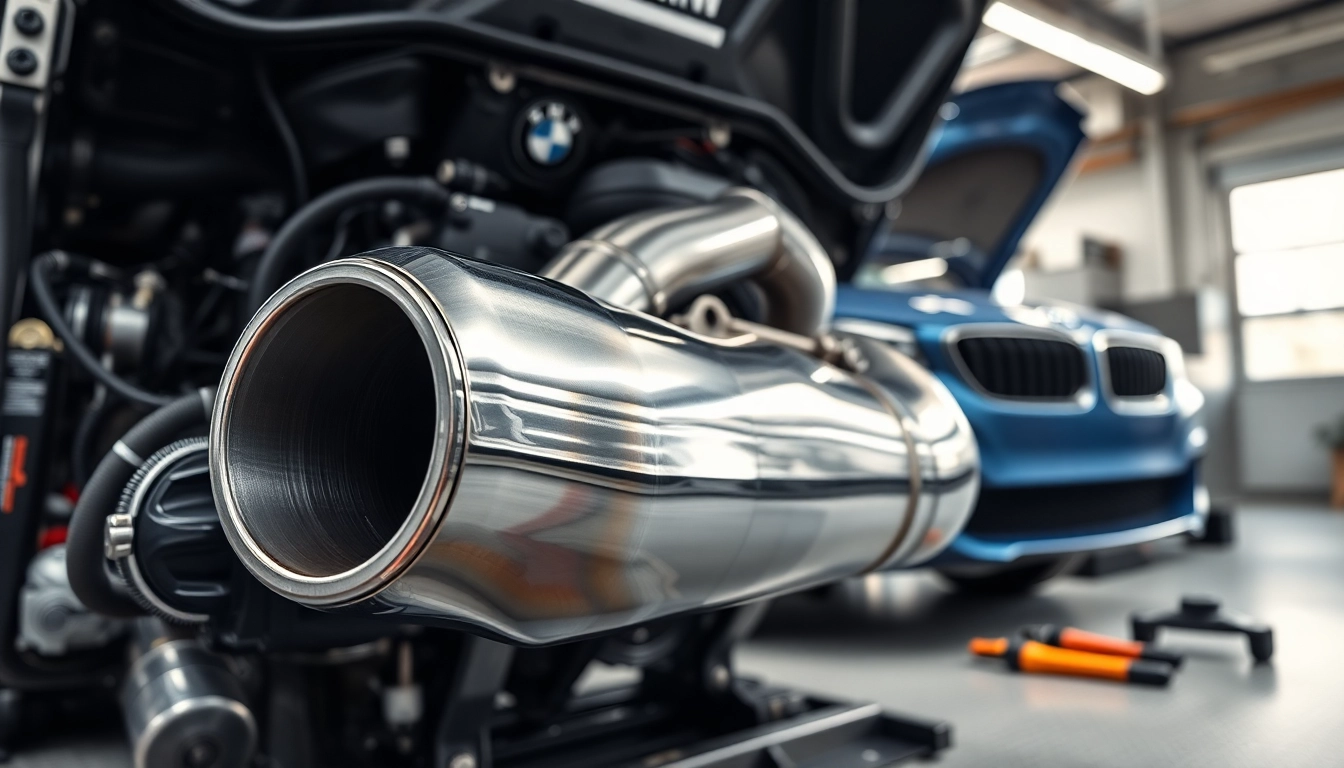
- Exhaust System Repairs: Fixing leaks or replacing damaged components can contribute to lower emissions.
- Fuel System Cleaning: Cleaning injectors can enhance fuel combustion efficiency, reducing pollutants.
Understanding Smog Check Results
How to Read Your Smog Check Report
After undergoing a smog check, you’ll receive a report detailing the results. This report typically includes:
- Emission levels: A breakdown of the quantities of pollutants emitted by your vehicle.
- Pass/Fail Status: Indicating whether your vehicle meets the necessary requirements.
- Recommendations: Any suggestions for repairs or adjustments needed to comply with standards.
What Happens If Your Vehicle Fails?
Failing a smog check means your vehicle’s emissions exceed allowable limits. The report will specify which areas failed, allowing you to address those issues. You may be required to perform necessary repairs before re-testing, and some states allow a grace period to fix issues.
Steps to Take After a Failed Smog Check
If your vehicle does not pass, take the following steps:
- Review the Report: Understand the exact reasons for failure.
- Make Necessary Repairs: Address the highlighted issues with the help of a qualified mechanic.
- Re-Test: Schedule a follow-up smog check after completing repairs to ensure compliance.
FAQs about Smog Check
What does a Smog Check involve?
A Smog Check involves an inspection of your vehicle’s emissions systems, including measuring exhaust emissions to ensure they meet regulatory standards.
How much does a Smog Check typically cost?
The cost of a Smog Check varies by location and vehicle type but generally ranges from $20 to $50, depending on regional fees.
Can I drive without passing a Smog Check?
No, most states require vehicles to pass a smog check to be legally driven on public roads, especially during registration renewals.
What are the consequences of failing a Smog Check?
Consequences include inability to register your vehicle until repairs are made and potential fines for driving an unregistered vehicle.
Are hybrid or electric vehicles exempt from Smog Checks?
Many regions exempt hybrid and electric vehicles from smog checks due to their negligible emissions, but it's essential to check local regulations.