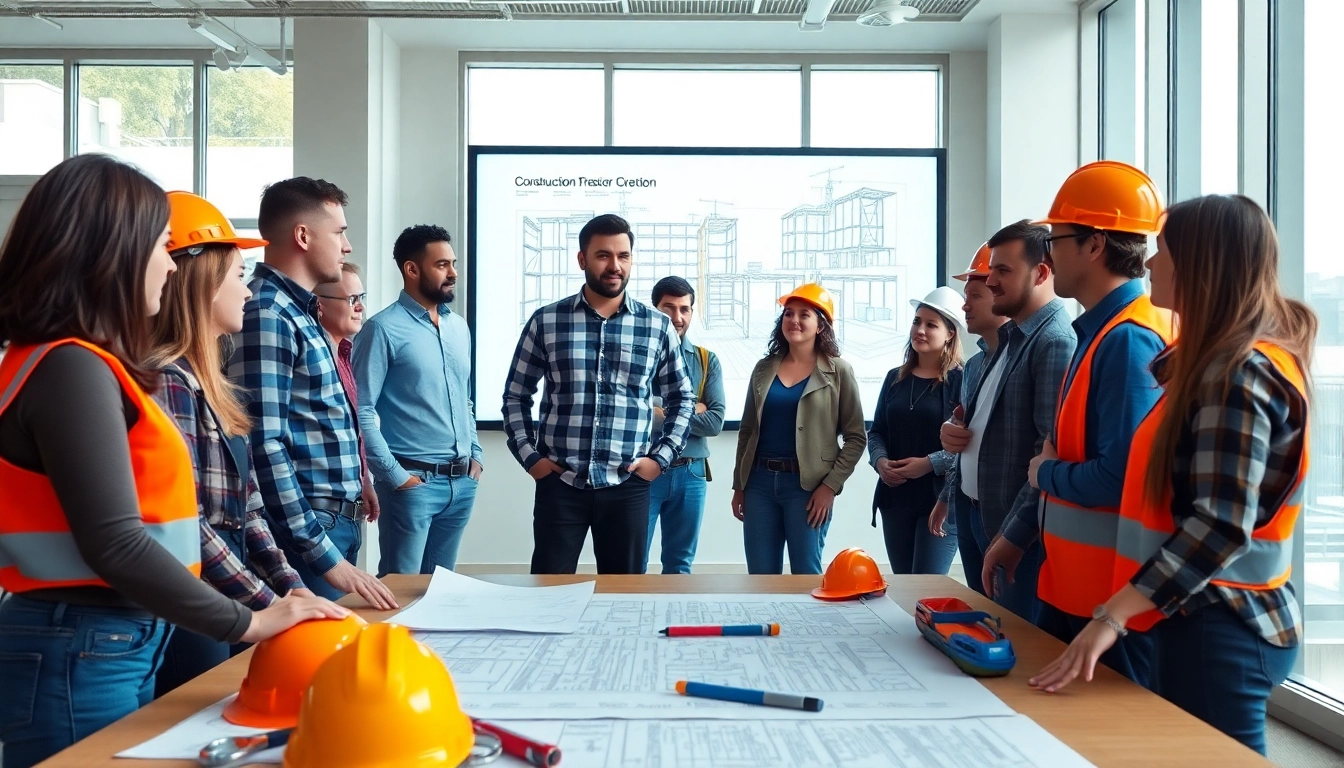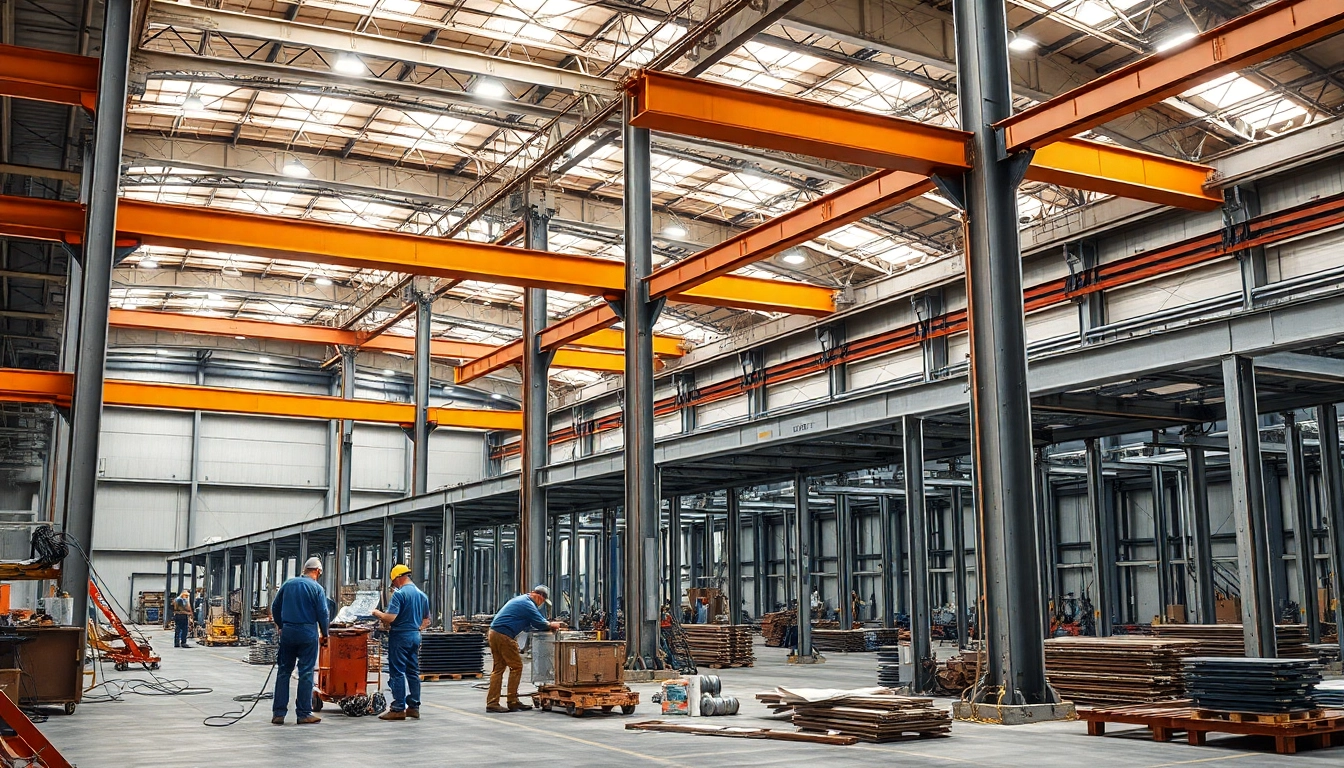
Introduction to Structural Steel Fabrication
Structural steel fabrication is a fundamental aspect of modern construction and engineering, playing a pivotal role in the durability and performance of buildings, bridges, and other infrastructure. This complex process transforms raw steel into structured components essential for various construction projects. Understanding the intricacies of structural steel fabrication can help stakeholders develop better designs, optimize costs, and ensure the longevity of structures.
Definition and Importance of Structural Steel Fabrication
At its core, structural steel fabrication is the process of cutting, shaping, and assembling steel materials to create structural components that meet specific design requirements. It is important because steel is not only strong but also versatile—adaptable to various construction needs and capable of withstanding significant loads, weathering, and stress over time.
As urban environments continue to rapidly develop, the demand for high-quality structural steel fabrication grows. This demand is driven by the need for resilient infrastructure that can endure environmental stresses, fulfill safety regulations, and accommodate innovative architectural designs.
Key Materials Used in Structural Steel Fabrication
The primary material in structural steel fabrication is, unsurprisingly, steel itself. Various grades and types of steel are utilized to achieve desired properties such as strength, ductility, and corrosion resistance. Common types of steel used include:
- Carbon Steel: The most widely used steel type, famous for its strength and versatility.
- Alloy Steel: Made with a mixture of elements, alloy steels offer enhanced properties like improved wear resistance and toughness.
- Stainless Steel: Recognized for its resistance to corrosion, making it suitable for environments prone to moisture and chemicals.
In addition to steel, essential components like bolts, welding rods, and coatings for corrosion resistance are integral to the fabrication process. Each of these materials will be selected carefully to align with the structural requirements and environmental conditions the final product will face.
Common Applications of Structural Steel Fabrication
Structural steel fabrication is at the heart of numerous applications across a variety of sectors, including:
- Commercial Construction: High-rise buildings, shopping centers, and office complexes rely heavily on steel structures.
- Infrastructure Projects: Bridges, highways, railways, and more depend on robust steel elements for safety and longevity.
- Industrial Applications: Factories, power plants, and warehouses utilize fabricated steel for framing, supporting structures, and machinery bases.
- Residential Construction: Increasingly, homes incorporate steel frameworks due to their strength and design flexibility.
These applications demonstrate not only the versatility of structural steel but also its essential role in creating safe and efficient infrastructures.
Process of Structural Steel Fabrication
The process of structural steel fabrication involves several critical stages that ensure the final product adheres to specified requirements while maintaining structural integrity. Understanding this process can help industry professionals manage timelines effectively and mitigate potential risks.
Stages of Structural Steel Fabrication
The stages of structural steel fabrication can be categorized as follows:
- Design and Detailing: This initial stage involves the creation of detailed drawings and specifications based on architectural plans, ensuring every component is designed accurately.
- Material Procurement: After the designs are finalized, raw materials are sourced, taking care to select steel that meets all specifications.
- Cutting: Fabrication begins by cutting the steel into specified lengths and shapes. This can be accomplished using saws, shears, or CNC cutting machines.
- Shaping: The steel shapes are then formed, which may involve processes such as rolling, bending, or punching, depending on the design needs.
- Assembly: Once shaped, components are assembled, typically involving welding, bolting, or rivet fastening to create larger structural elements.
- Finishing: Finally, finishing processes like painting or galvanizing are performed to enhance aesthetics and provide protection from corrosion.
Essential Machinery and Tools for Structural Steel Fabrication
Accomplishing the above stages of fabrication requires specialized machinery and tools, each designed for specific operations:
- CNC Machines: These machines are crucial for precision cutting and shaping of steel components, allowing for repetitive accuracy and complex profiles.
- Plasma Cutters: Used for cutting through thick steel plates, plasma cutters offer speed and high precision.
- Bending Machines: These tools shape steel plates into desired angles or curves, essential for creating non-linear forms.
- Welding Equipment: The backbone of assembly, welding equipment bonds steel components securely through various techniques such as MIG, TIG, or stick welding.
- Quality Control Tools: Instruments for measuring dimensions and checking weld integrity ensure that every piece meets required standards.
The effectiveness of these tools directly impacts the overall quality and reliability of the fabricated steel components.
Quality Control Measures in Structural Steel Fabrication
Quality control is paramount in structural steel fabrication. It encompasses various tests and measures designed to ensure that every fabricated element meets industry standards, safety regulations, and client expectations. Key quality control measures include:
- Project Specifications Review: Ensuring all fabrication plans and specifications are thoroughly reviewed before production begins.
- Material Testing: Conducting chemical and mechanical tests on raw materials to confirm they meet specified standards.
- Dimensional Inspections: Regular checks throughout the fabrication process ensure components are being built to the required dimensions.
- Weld Inspection: Utilizing non-destructive testing methods like ultrasonic or radiographic inspections to assess the integrity of welds.
- Final Verification: After assembly, a comprehensive inspection ensures the finished product is ready for shipment and installation.
Implementing rigorous quality control measures helps minimize risks and ensures that all elements are built to last.
Benefits of Structural Steel Fabrication
Understanding the benefits of structural steel fabrication is essential for stakeholders looking to optimize their construction projects. Below are some notable advantages:
Cost-Effectiveness and Durability
One of the most significant advantages of structural steel fabrication is its cost-effectiveness. While initial costs might be higher than some alternatives, steel’s durability and low maintenance over time make it a financially sound investment. Cost savings are achieved through:
- Speed of Construction: Mock-ups, pre-fabrication, and accurate cutting help reduce construction time, minimizing labor costs.
- Waste Reduction: Precision fabrication minimizes waste by utilizing materials efficiently, allowing for better budget management.
- Long Lifespan: Steel structures can last for decades with proper maintenance, reducing the need for frequent replacements or repairs.
Environmental Benefits of Structural Steel Fabrication
As sustainability concerns continue to rise, the environmental benefits of structural steel fabrication have become increasingly prominent. Key benefits include:
- Recyclability: Steel is highly recyclable, allowing structural components to be repurposed at the end of their life cycle, reducing landfill waste.
- Energy Efficiency: Modern fabrication techniques utilize energy-efficient machinery that minimizes energy consumption during production.
- Reduced Material Footprint: Steel's strength-to-weight ratio means less material is needed for the same structural support compared to alternatives, ultimately leading to lower environmental impact.
Design Flexibility and Customization Options
Structural steel fabrication offers unmatched design flexibility. Customization options allow architects and engineers to explore innovative designs that can be realized through:
- Complex Geometries: Steel can be engineered into intricate designs that meet aesthetic requirements without compromising functionality.
- Modular Designs: Pre-fabricated steel components can be manufactured off-site and quickly assembled on-site, streamlining the construction process.
- Integration with Other Materials: Structural steel can be combined creatively with wood, glass, or concrete for unique architectural expressions.
This flexibility ensures that project designs align with evolving needs and trends in construction.
Challenges in Structural Steel Fabrication
While structural steel fabrication has many benefits, it is not without its challenges. Awareness of these challenges can help stakeholders navigate and mitigate potential risks effectively.
Managing Supply Chain Issues
Supply chain disruptions can significantly impact the smooth running of structural steel fabrication, leading to delays and increased costs. Factors contributing to supply chain challenges include:
- Raw Material Availability: Fluctuations in the availability of raw steel can lead to production interruptions.
- Transportation Delays: The logistics involved in transporting large steel components can be complex, often affected by weather or geopolitical factors.
- Supplier Reliability: Dependence on a limited number of suppliers increases vulnerability to disruptions in their operations.
To mitigate these issues, organizations can diversify suppliers, employ just-in-time delivery strategies, and maintain effective inventory management practices.
Addressing Safety Regulations and Standards
Compliance with safety regulations and industry standards is a cornerstone of successful structural steel fabrication. The challenges include:
- Understanding Regulations: Construction professionals must stay informed about constantly evolving safety standards set by organizations such as OSHA (Occupational Safety and Health Administration).
- Training Workers: Investing time in training workers to adhere to safety protocols is essential to avoid accidents on the construction site.
- Equipment Safety: Ensuring machinery and tools are regularly inspected and maintained to prevent safety hazards.
Developing a culture of safety through education and communication can enhance compliance and overall safety outcomes.
Coping with Technological Advancements
As technological advancements continue to impact the structural steel fabrication industry, staying current with new tools and techniques is essential. Challenges here include:
- Investment in New Technologies: The costs associated with upgrading equipment and training employees to use new technologies can be significant.
- Skill Gaps: As technology evolves, there can be a disparity between the skills that workers possess and those required for advanced fabrication techniques.
- Integration of Software: Adopting software solutions for design, scheduling, and supply chain management may introduce complexity that staff must be adept to manage.
Addressing these challenges involves both continuous employee education and strategic investments in technology that improve efficiency and quality.
Future Trends in Structural Steel Fabrication
The structural steel fabrication industry is poised for several transformative trends that promise to enhance efficiency and sustainability. Keeping abreast of these trends can help stakeholders remain competitive in a rapidly evolving market.
Emerging Technologies in Steel Fabrication
Emerging technologies are revolutionizing the way structural steel is fabricated and assembled. Notable advancements include:
- 3D Printing: The introduction of large-scale 3D printing methods allows for rapid prototyping of components, reducing material waste and speeding up the design process.
- Robotics and Automation: Automation is increasingly being used in fabrication facilities to perform repetitive tasks with precision, leading to increased safety and efficiency on the shop floor.
- Digital Twin Technology: This technology creates a virtual replica of fabrication processes, allowing for real-time monitoring and analysis to improve production efficiency.
Sustainable Practices in Structural Steel Fabrication
As global awareness of environmental issues grows, there is an increasing emphasis on sustainable practices within structural steel fabrication. Future trends may include:
- Green Certifications: More companies are seeking certifications that highlight their commitment to environmentally friendly practices.
- Life Cycle Assessments: Organizations are increasingly incorporating life cycle assessments to evaluate the environmental impact of steel production and utilize findings to reduce footprints.
- Use of Renewable Energy: Fabrication facilities are exploring options to power operations sustainably through renewable energy sources, such as solar or wind power.
The Impact of Digitalization on Production Efficiency
The digitalization of processes in structural steel fabrication is enhancing production efficiency. Key aspects include:
- Project Management Software: The use of software applications simplifies project tracking and resource allocation, ensuring timely delivery of projects.
- Cloud-Based Collaboration: Digital platforms that enable real-time collaboration among teams improve communication and allow for timely modifications based on ongoing feedback.
- Data Analytics: Leveraging data analytics helps fabrication facilities optimize processes, reduce waste, and enhance quality control by collecting and analyzing relevant production data.
These trends indicate a significant shift towards a more integrated and technologically advanced future for structural steel fabrication, poised to meet the demands of modern engineering challenges.