What are Progressive Dies?
The Definition and Functionality of Progressive Dies
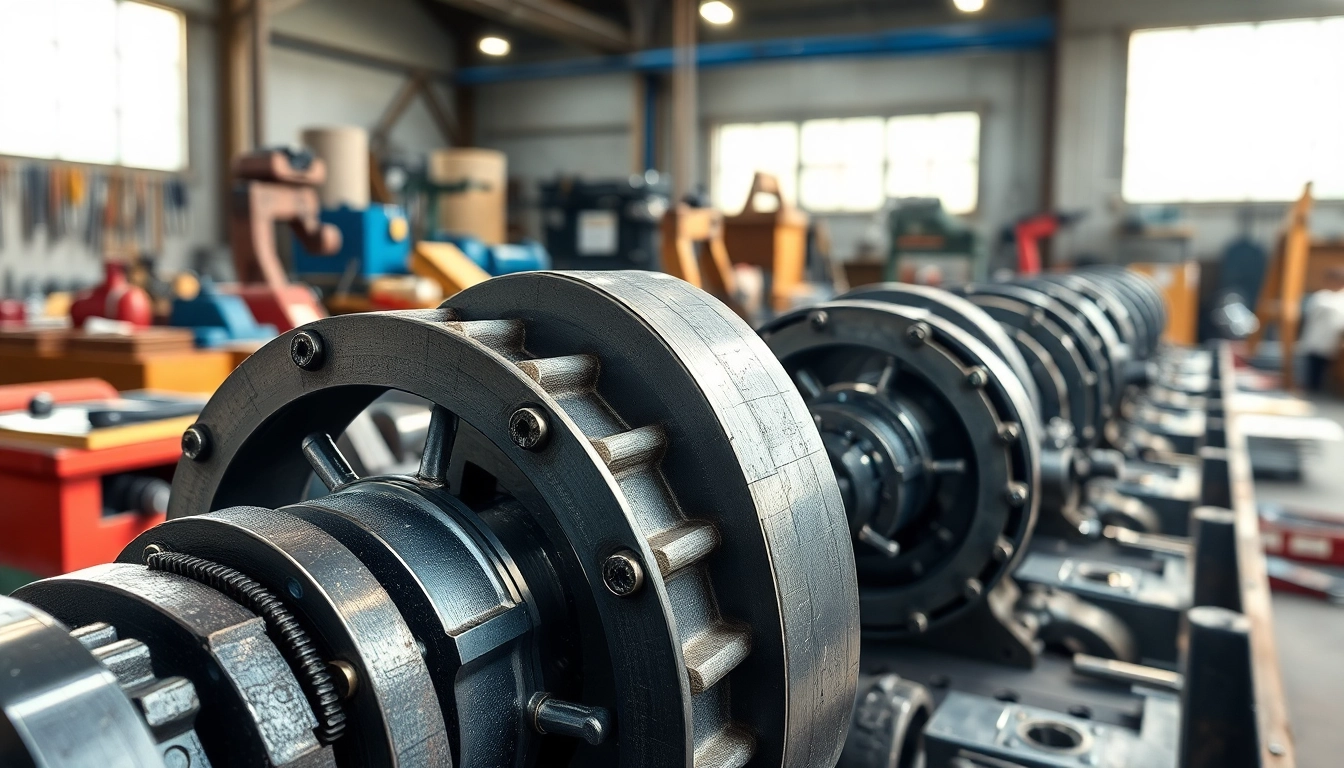
Progressive dies are specialized tooling used in the manufacturing process to create detailed parts from sheet metal. Unlike conventional dies, which perform a single operation, progressive dies are capable of executing multiple operations in a single press stroke. This multi-functionality allows manufacturers to efficiently produce complex components while minimizing operational time and costs. During the manufacturing process, raw materials are fed into the die, where they undergo a series of transformations—cutting, bending, and forming—until the final product is completed in one continuous process. The design of progressive dies emphasizes accuracy, repeatability, and efficiency, making them essential tools in high-volume production environments. For a deeper dive into the mechanics of these tools, check out Progressive Dies.
Key Components of Progressive Dies
Understanding the critical components of progressive dies is essential for appreciating their functionality. These components include:
- Die Body: The main structure that houses the various elements of the die.
- Punches: Tools that perform the cutting or forming actions on the metal sheet.
- Strippers: Devices that help remove the finished part from the die while retaining the integrity of the feed material.
- Guides: Ensure precision alignment and control during the die operation, maintaining consistent part quality.
- Bolsters: Plates that support the die structure and endure the forces during operations.
Each of these components plays a crucial role in ensuring that progressive dies function smoothly and produce high-quality parts efficiently. The right design and maintenance of these parts can significantly affect the overall performance of the die.
How Progressive Dies Work in Manufacturing
The process of using progressive dies in manufacturing follows a systematic path. Initially, a roll of sheet metal is fed into the die. As the machine operates:
- The material is advanced to the first station where the initial operation—often cutting—is performed.
- As the die moves downward, the subsequent operations—bending, forming, and additional cuts—are executed in successive stations.
- Finally, the completed part is ejected from the die, while any scrap material is simultaneously stripped away.
This highly integrated approach not only accelerates production but also improves the dimensional accuracy of the parts produced, thereby ensuring consistency and reducing waste.
Types of Progressive Dies
Single Station vs. Multi-Station Dies
Progressive dies can be categorized into single station and multi-station dies. Single station dies perform all operations in one station, which can be suitable for simple parts or lower production volumes. They require less setup and can be more economical for smaller batches. Multi-station dies, on the other hand, consist of several working stations, each responsible for a specific operation. This type is ideal for high-volume production as it enhances efficiency by allowing continuous operations with minimal interruptions.
The choice between single and multi-station dies depends on various factors, including part complexity, production volume, and cost considerations.
Stripped vs. Forming Dies
Another classification within progressive dies is between stripped and forming dies. Stripped dies primarily focus on cutting operations, where the excess material is stripped away after the part is formed. This is particularly useful when producing flat components or components requiring precise cuts. In contrast, forming dies are tailored to shape materials without cutting. They involve bending, drawing, or other alterations to create complex geometries. Choosing the right die type hinges on the specific requirements of the parts being manufactured.
Choosing the Right Type of Progressive Die
Selecting the optimal progressive die is pivotal to achieving effective production outcomes. Considerations during this selection process should include:
- Part Design: The complexity of the part and required tolerances can dictate the type of die.
- Material Type: Different materials require different handling techniques—some may need forming dies while others need cutting dies.
- Production Volume: Higher volumes typically benefit from multi-station dies.
- Cost Considerations: Both initial tool cost and long-term operational efficiency must be evaluated.
Engaging with experienced die designers can further facilitate informed decision-making tailored to specific manufacturing needs.
Applications of Progressive Dies in Industry
Automotive Sector Applications
The automotive industry is among the largest consumers of progressive dies. They are employed in producing a wide array of components, including brackets, clips, and other smaller parts that require high dimensional precision. The ability to create multiple parts from a single sheet of metal in one process not only cuts down on material waste but also significantly reduces production time, making it a cost-effective solution for manufacturers facing tight deadlines and high demand.
Electronics Manufacturing Uses
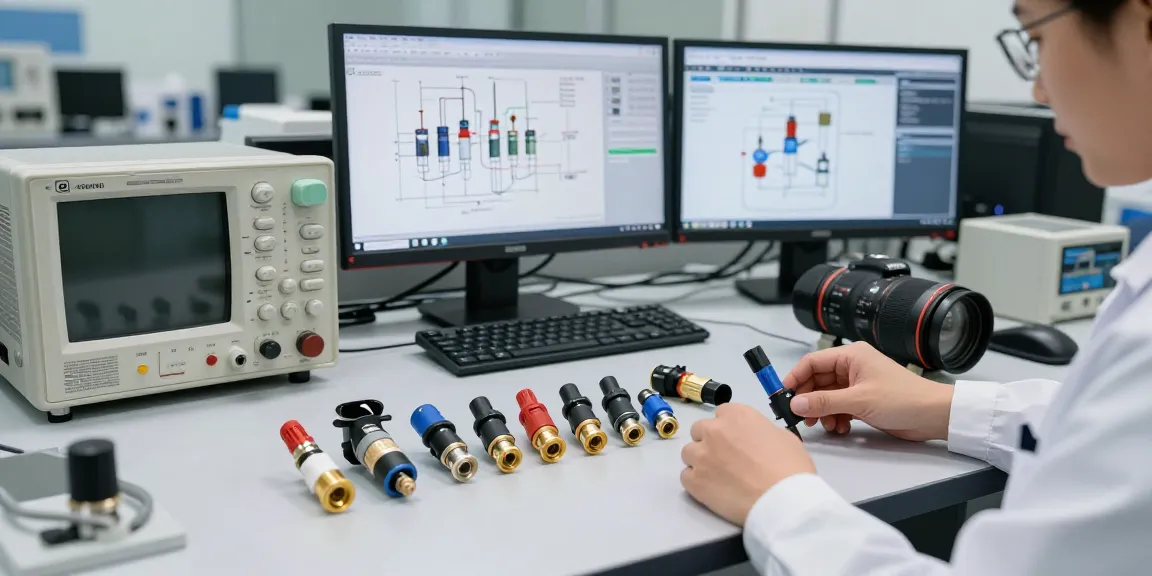
In the electronics sector, progressive dies serve a crucial role in fabricating intricate components such as connectors, terminals, and housings for various devices. The increased miniaturization of electronic components has necessitated advanced tooling capable of producing small, precise parts. Progressive dies enable manufacturers to maintain the tight tolerances required in electronic assemblies, ensuring device reliability and performance. As the electronics market continues to grow, so too does the reliance on efficient progressive die solutions.
Benefits Across Other Industries
Beyond automotive and electronics, progressive dies find applications in various sectors, including aerospace, medical device manufacturing, and consumer goods. The benefits include:
- Increased Efficiency: Multiple operations can take place in a single stroke, leading to faster production cycles.
- Cost Reduction: With lower material wastage and faster production speeds, businesses can achieve better profitability.
- Consistency and Precision: Progressive dies produce parts with superior dimensional accuracy, meeting stringent industry standards.
- Flexibility: Progressive dies can be designed to accommodate varying design needs, making them adaptable to changing market demands.
Such advantages contribute to the ongoing evolution of production processes in various industries.
Challenges in Working with Progressive Dies
Common Issues in Die Design
Although progressive dies are integral to efficient manufacturing, several challenges can arise during the design phase. One prominent issue is ensuring that the die can handle the material properties effectively—this involves accounting for factors such as material thickness, tensile strength, and ductility. Miscalculations at this stage can lead to die failure or subpar part quality. Other design concerns include overcoming the complexities of component layout to ensure that all operations are feasible within the same die, which can be particularly challenging for intricate parts.
Maintenance and Wear Considerations
Maintenance is another critical aspect of working with progressive dies. Continuous use can lead to wear and tear, which can negatively affect part quality and production efficiency. Regular inspections and timely maintenance involving cleaning, lubrication, and replacement of worn components are vital to prolonging the lifespan of these tools. Additionally, proper documentation of die performance and issues can help pinpoint areas for improvement and optimize future designs.
Overcoming Production Challenges
Production challenges such as setup time and operator training can also impede the efficacy of progressive dies. To mitigate these issues, manufacturers can invest in comprehensive training programs for operators, ensuring they are well-acquainted with die operations and troubleshooting techniques. Moreover, systematically organizing the production schedule can facilitate smoother die changes and minimize downtime, leading to an overall more robust production workflow.
Future Trends in Progressive Die Technology
Advancements in Die Materials
Ongoing advancements in materials science are shaping the future of progressive dies. New materials, such as advanced steels and composites, are being developed to enhance durability and performance under high-stress conditions. These innovations aim to reduce wear rates and enhance the lifespan of dies, leading to decreased operational costs and improved production efficacy.
Automation and Smart Manufacturing
The rise of automation and smart manufacturing technologies is revolutionizing the way progressive dies are utilized. Integrating sensors into die designs can provide real-time data on operational metrics, enabling predictive maintenance and immediate adjustments to work processes. Smart manufacturing technologies can also facilitate the design and simulation of dies, optimizing performance before physical production commences, leading to greater efficiency overall.
Environmental Considerations and Sustainability
As industries increasingly focus on sustainability, progressive dies are also evolving to reduce environmental impact. Innovations include processes that optimize material usage and implement recycling strategies for scrap metal produced during manufacturing. Additionally, using environmentally friendly materials for die production has become a trend, aligning with broader corporate responsibility initiatives while also lowering ecological footprints.