What is FCL Shipping?
Defining Full Container Load (FCL)
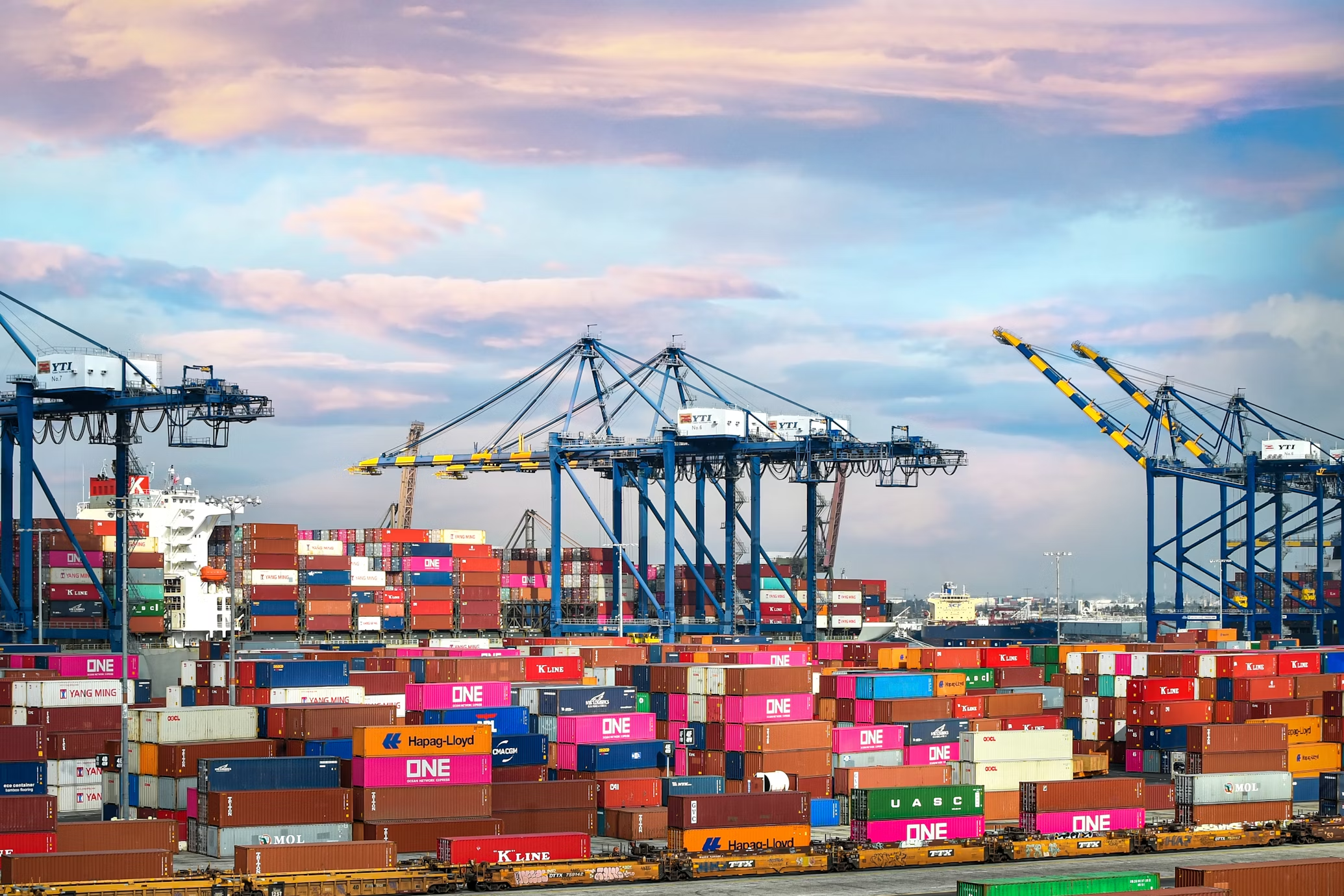
In the world of logistics and transportation, FCL Shipping stands for Full Container Load. It refers to a shipping method where an entire container is used exclusively for one shipment. This is distinct from Less Than Container Load (LCL), where multiple shippers share a single container. FCL shipping is often favored for large shipments that fill an entire container, enabling optimal use of space while minimizing shipping costs per unit. By utilizing a full container, companies streamline their shipping process, reduce the risk of damage or loss, and save on freight expenses.
Benefits of FCL Shipping
FCL shipping offers a multitude of advantages that can significantly enhance logistical operations. Here are some of its key benefits:
- Cost-Efficiency: Since FCL utilizes an entire container, it is generally more cost-effective for bulk shipments compared to LCL. Shippers can avoid the additional charges associated with shared space, such as consolidation and handling fees.
- Reduced Risk of Damage: With dedicated use of a container, goods are less likely to be damaged during transit. There is no handling of other shipments, which minimizes the risk of items being misplaced or improperly treated.
- Faster Transit Times: FCL shipments often have shorter transit times. Since the container is booked for a single shipment, there are fewer delays associated with loading and unloading multiple shipments.
- Increased Security: A full container is locked and sealed specifically for one customer, enhancing security and reducing the risk of theft.
Common Misconceptions about FCL Shipping
Despite its numerous benefits, several misconceptions about FCL shipping persist. Addressing these can help shippers make more informed decisions:
- Misconception #1: FCL is only for large businesses. Many small and medium-sized businesses can benefit from FCL shipping as well, especially when their shipments meet container capacity.
- Misconception #2: FCL shipping is always more expensive. While it may seem otherwise, FCL can actually be cheaper when shipping larger volumes compared to the per-unit costs associated with LCL.
- Misconception #3: FCL shipping is complex and cumbersome. Modern logistics have made FCL shipping more streamlined with better tracking and documentation practices.
How FCL Shipping Works
Step-by-Step Process
The process of FCL shipping can be broken down into several clear steps:
- Booking a Container: A shipper agrees on a contract with a freight forwarder or shipping line to book an entire container based on their shipping needs.
- Container Preparation: The chosen container is readied at the port of origin. This may involve inspecting the container to ensure it meets all shipping standards.
- Loading the Container: Goods are loaded into the container securely, following industry best practices to prevent damage during transit.
- Shipping: The container is transported via truck or rail to the port, then loaded onto a vessel for its journey to the destination port.
- Customs Clearance: Upon arrival, the container goes through customs clearance, ensuring all documentation is in order before release.
- Unloading: Finally, the container is transported to the designated location for unloading, where the goods can be distributed as required.
Key Terminologies in FCL Shipping
Understanding the terminology associated with FCL shipping can enhance effective communication and operations:
- Bill of Lading: A crucial document serving as a receipt for cargo and a contract between the shipper and carrier.
- Container Load Plan: A detailed schematic that outlines how goods are to be loaded and arranged within the container.
- Customs Bond: A financial guarantee that ensures all duties and taxes are paid before cargo is released.
- Incoterms: International commercial terms that define the responsibilities of buyers and sellers in shipping arrangements.
Important Documentation Needed
Proper documentation is essential for FCL shipping. This typically includes:
- Commercial Invoice: Details of the transaction, including product descriptions, quantities, and prices.
- Certificate of Origin: Confirms the country in which the goods were manufactured.
- Packing List: Enumerates the contents of the shipment, detailing weight, dimension, and packing method.
- Customs Declaration: Required by authorities to ensure legal compliance regarding the shipment.
Cost Factors Influencing FCL Shipping
Understanding Shipping Quotas
Shipping quotas may define limitations based on volume or weight that impact overall costs. Understanding these quotas can help shippers optimize their logistics by combining multiple shipments for cost efficiencies.
Freight Charges Explained
Freight charges in FCL shipping are typically determined by factors such as:
- Container Size: Standard containers come in sizes of 20ft or 40ft, with costs varying based on size.
- Shipping Route: The distance from origin to destination influences the pricing structure.
- Fuel Costs: Fluctuating fuel prices can directly impact freight rates.
- Seasonality: Demand fluctuations during peak seasons often lead to increased rates, especially in popular trade lanes.
Factors Affecting Overall Costs
In addition to freight charges, other factors can influence the overall costs of FCL shipping:
- Terminal Handling Charges: Fees associated with loading and unloading containers at the port.
- Insurance: Costs for insuring goods during transit can add to the total shipping expenses.
- Storage Fees: Charges incurred when containers are stored at the port beyond a specified time frame.
- Customs Duties: Tariffs set by governments that must be included in the budgeting process for internationally shipped goods.
Comparative Advantages of FCL Shipping
FCL vs. LCL: Which is Better?
Choosing between FCL and LCL depends on shipment size and specific requirements. Companies often prefer FCL for larger shipments due to its cost efficiency, security, and reduced handling. Conversely, LCL might be advantageous for smaller loads, allowing businesses to share the container space and reduce costs accordingly.
Environmental Impact Comparisons
When analyzing the environmental impacts of FCL and LCL, FCL shipping is generally deemed more sustainable for larger shipments. It reduces emissions per unit carried, as fewer containers are required to transport the same volume of goods. Additionally, the efficiency gained from transporting full containers optimizes fuel usage, thereby minimizing the carbon footprint associated with shipping operations.
Time Efficiency in FCL Shipping
FCL is usually faster than LCL because once a full container is booked, it goes directly to its destination without delays caused by additional handling and waiting for other shipments to fill the container. This increased speed is particularly beneficial for businesses operating in time-sensitive markets.
Best Practices for Utilizing FCL Shipping
Optimal Container Loading Techniques
Effectively loading a container can significantly impact costs and efficiency. Implementing optimal loading techniques involves:
- Weight Distribution: Balancing the weight inside the container to prevent shifting during transit.
- Cushioning Materials: Using appropriate packing materials to protect fragile items and maintain stability.
- Maximizing Space: Arranging goods strategically to utilize all available space without overloading.
Choosing the Right Shipping Partner
Selecting a competent and reliable shipping partner is crucial for successful FCL shipping. Consider the following while making your choice:
- Industry Reputation: Research to ensure your selected partner has a proven track record.
- Service Range: Look for companies that offer comprehensive services including tracking and responsive customer support.
- Network Strength: A strong logistics network can provide better connectivity and facilitate smoother transactions.
Monitoring and Managing Shipments Effectively
Effective shipment monitoring involves consistent tracking, communication, and timely interventions when necessary. Actions can include:
- Utilizing Technology: Employ shipping software that allows for real-time tracking and status updates.
- Setting Up Alerts: Automated alerts can notify stakeholders on shipping progress and potential delays.
- Regular Auditing: Conduct periodic reviews of shipping practices to identify areas for improvement.