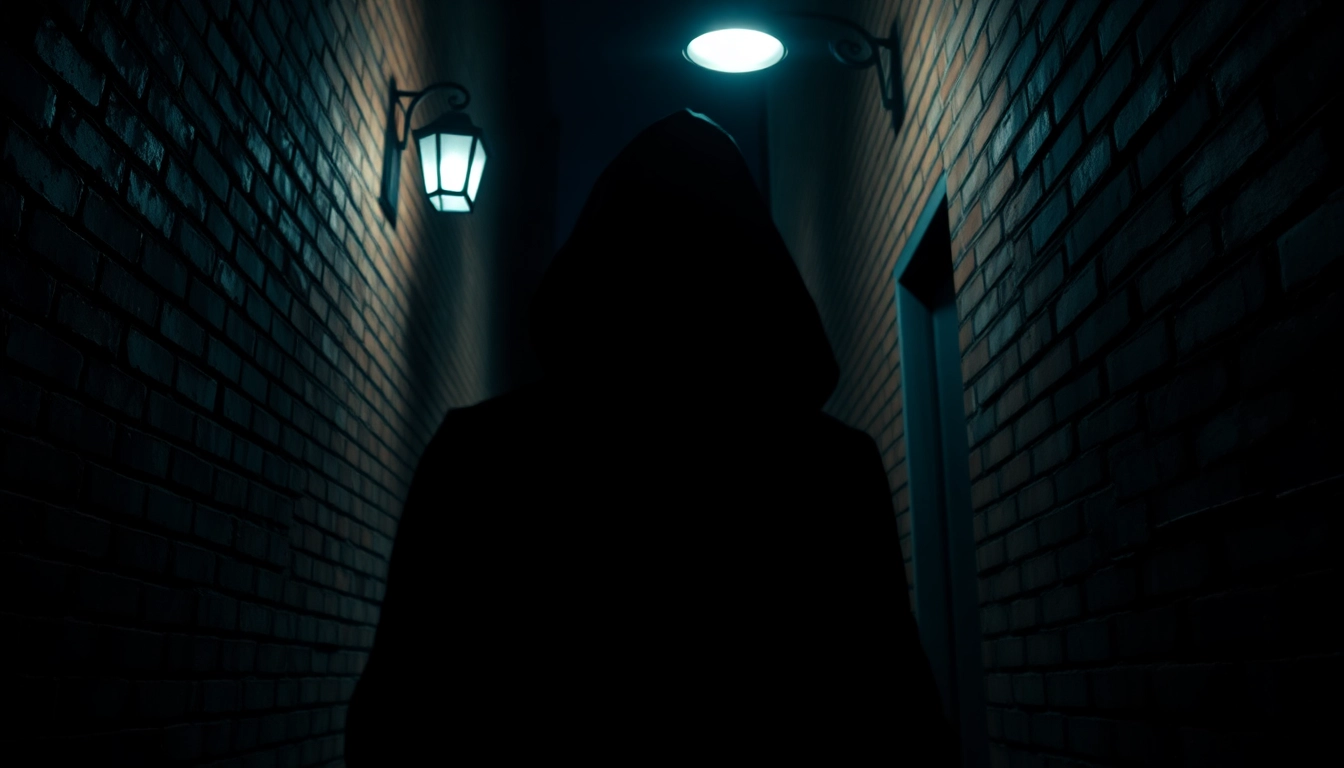
The Essence of Thriller in Storytelling
The thrilling genre has captivated audiences for decades, inviting them into a twisting world of suspense, fear, and surprise. Spanning literature, film, and even music, thrillers have that unique power to evoke visceral emotions through carefully constructed storytelling. The Thriller genre can be both exhilarating and terrifying, weaving intricate narratives that keep the audience on the edge of their seats. This article explores the fundamentals of thrillers, their psychological impact, techniques for crafting compelling narratives, and the evolution of the genre from literature to film.
Defining the Thriller Genre
The term "thriller" encompasses a broad category of storytelling that includes, but is not limited to, mystery, horror, and suspense. At its core, thriller narratives aim to create feelings of excitement, tension, and anticipation. Thrillers encompass various sub-genres, including psychological thrillers, crime thrillers, and action thrillers, each with its unique characteristics. The critical element that unites these sub-genres is a strong plot that involves a conflict, often featuring a protagonist set against an antagonistic force, creating a gripping storyline full of twists and turns.
Key Elements that Create Suspense
Suspense is the heartbeat of any thriller. It is built through several essential elements, including:
- Uncertainty: By presenting situations with ambiguous outcomes, writers heighten tension and leave audiences guessing.
- Time Constraints: Introducing a ticking clock can create urgency, making the stakes higher for characters and audiences alike.
- Character Flaws: Complex characters with hidden motives or vulnerabilities enhance unpredictability.
- Conflict: Conflict drives the narrative forward and builds interest, whether it's internal conflict (within a character) or external conflict (between characters).
Notable Thriller Literature and Films
Various pieces of literature and film have defined the thriller genre over the years. Novels like "Gone Girl" by Gillian Flynn and "The Girl with the Dragon Tattoo" by Stieg Larsson have taken readers on unforgettable journeys filled with psychological depth and unexpected twists. In cinema, classics such as "Psycho" and "Seven" exemplify how film can play with audience perceptions, utilizing the visual medium's features to craft an immeasurable sense of dread. Exceptional storytelling, coupled with unique cinematographic techniques, has ensured these works maintain a lasting impact.
The Psychological Impact of Thrillers
Thrillers do more than just entertain; they tap into the human psyche, eliciting strong emotional responses. This psychological effect is a significant factor in their popularity.
Understanding the Thrilling Effect on Audiences
Many people are drawn to thrillers due to their ability to evoke adrenaline and a sense of danger while also providing a safe environment to explore fears. The cathartic release of emotions, especially in a controlled setting, is one of the main reasons audiences engage with thriller narratives. The suspenseful nature of a thriller can stimulate the release of hormones like adrenaline, creating a rush of excitement while ensuring the audience feels secure.
Common Themes in Psychological Thrillers
Psychological thrillers often delve into themes of identity, moral complexity, and the fragility of sanity. Themes like deception, duality, and betrayal are common, leading viewers and readers on psychological journeys that can uncover uncomfortable truths about human nature.
Character Development in Thrillers
Characters in thrillers often face moral dilemmas that force them to confront their own demons. This deep character development makes them relatable, human, and engaging. By exploring their psychological complexities, authors and filmmakers can create multifaceted characters that reflect the intricacies of human behavior, allowing audiences to connect with them on a more profound level.
Crafting a Compelling Thriller Narrative
Writing an effective thriller involves mastering various techniques designed to engage and provoke thought in the audience. Here are some key elements to consider.
Plot Devices for Maximizing Suspense
To maximize suspense, include plot devices such as cliffhangers, unreliable narrators, and red herrings. These can lead audiences down false paths, keeping them guessing until the very end. The clever implementation of these devices not only sustains tension but also adds layers of complexity to the narrative.
Creating Twists and Turns in the Story
Twists must be both surprising and believable. They should not come out of nowhere but rather feel like a natural part of the storyline, allowing the narrative to perk the audience's interest continually. Effective twists can shift character motivations and alter the expected trajectory of the plot, enriching the overall experience.
Utilizing Foreshadowing and Red Herrings
Foreshadowing hints at future events, preparing the audience for eventual twists in a nuanced manner. Conversely, red herrings mislead the audience, diverting their attention from the true elements of the plot. Both devices enhance storytelling and elevate the complexity of the narrative, creating an attentive and invested audience.
The Role of Visuals in Thrillers
Visual storytelling plays a crucial role in the thriller genre, employing various techniques to create tension, suspense, and atmosphere.
Creating Atmosphere with Cinematography
Cinematography is essential in constructing the tone and evoke emotions in thrillers. Effective use of lighting, camera angles, and shot composition can heighten the thrills, guiding the audience's focus and manipulating their emotional response. For example, the use of dim lighting can create unease, while wide shots can emphasize isolation or foreboding.
Symbolism and Imagery in Thriller Genres
Symbolism enriches thriller narratives, imbuing them with deeper meaning and creating a more immersive experience. By utilizing objects, colors, or motifs, creators can provide insight into a character's inner struggles or themes, drawing viewers into a more complex storytelling web.
Sound Design's Influence on Thrilling Moments
Sound design is often a critical yet understated element in thrillers. Music, sound effects, and silence all contribute significantly to the atmosphere and tension. The strategic use of sound can evoke fear or suspense, heightening the emotional stakes and providing the audience with a more visceral experience.
Thriller’s Evolution: From Page to Screen
As the thriller genre has evolved, so too has its storytelling medium. The transition from literary thriller to cinematic adaptation has resulted in the reimagining and reshaping of narratives.
How Literature Influenced Modern Thrillers
Literature has long served as the backbone for many thrilling tales. Classic novels, steeped in intricate plots and neurotic characters, have laid the groundwork for modern filmmaking. By adapting these stories visually, filmmakers can explore the nuances of themes that are often hard to replicate purely through text.
The Transition from Books to Movies
Adaptations of thrillers often require a reworking of the narrative to fit the visual medium—this includes condensing characters, altering plot points, and reimagining climactic moments. Effective adaptation maintains the essence of the original material while catering to the strengths of film as a medium.
Future Trends in Thriller Productions
As technology evolves, so does the storytelling landscape. Innovations in virtual reality, interactive storytelling, and heightened focus on character-driven narratives are likely to impact future thriller productions. As audiences become more engaged with the content, thrillers that allow for immersive experiences may take center stage, redefining how suspense and intrigue are presented.