The Resurgence of Vinyl Records
The world of music has undergone a seismic shift in how we consume and experience sound. With the rise of digital streaming platforms, one might think that physical formats would fade into obscurity; however, that is far from the case. Enter the vinyl records—an age-old medium that has made a remarkable comeback. This resurgence is not merely a trend; it is rooted in a deeper appreciation for sound quality and the tangible nature of music. In this exploration, we will delve into the reasons behind this revival and its cultural implications, while arming you with knowledge about vinyl records' variety, care techniques, where to purchase them, and ultimately, what the future holds for this beloved format.
Understanding Vinyl Records and Their Appeal
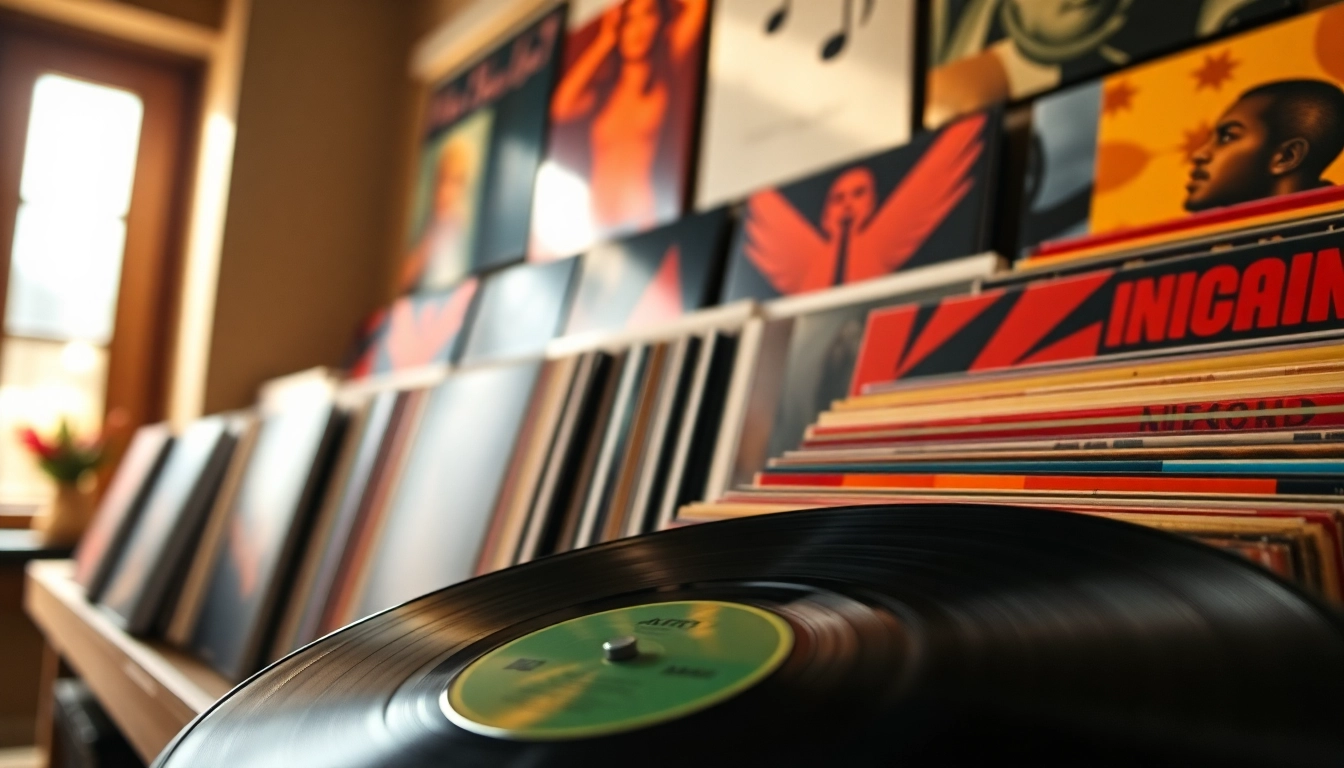
At the heart of the vinyl records revival lies an understanding of what these artifacts represent. Unlike digital formats that offer convenience and portability, vinyl provides a sensory experience that many music lovers crave. The large album covers allow for breathtaking artwork that often tells a story in itself, while the physical act of placing a record on a turntable fosters a more intimate connection to the music.
Moreover, audiophiles consider vinyl to be superior in sound quality. The analog nature allows for a warm, rich sound that often lacks in compressed digital formats. This sound quality can enhance the emotional experience of listening to music, making it feel more authentic and inviting. As consumers become more discerning about their audio experiences, the allure of vinyl only strengthens.
The Cultural Impact of Vinyl Records Today
Vinyl records are increasingly being recognized as cultural artifacts in today’s society, serving as a bridge across generations. Older generations often reminisce about the days of flipping through records at local shops, while younger fans increasingly appreciate the historical and emotional weight behind these collections. Moreover, vinyl culture embraces community engagement—local record shops often host events, album releases, and listening parties, fostering a sense of belonging among fans.
The lifestyle around vinyl has also sparked trends in fashion and decor, with vinyl records acting as both a musical format and a statement piece in home decor. Record players, along with their vinyl counterparts, have become prominent in interior design, bridging the gap between functionality and aesthetics.
Vinyl Records vs. Digital Music: A Comparison
In comparing vinyl records to digital music, one must evaluate multiple dimensions, including sound quality, physicality, and user experience. Echoing what was previously mentioned, vinyl records produce a more authentic sound due to their analog properties. This has led to a phenomenon known as the "vinyl warmth" that many listeners yearn for, often describing digital audio as flat or lifeless in comparison.
Yet, convenience cannot be overlooked. Digital music allows listeners to carry libraries by the thousands on their portable devices—but this convenience comes at the cost of the tactile experience associated with vinyl. Many enthusiasts advocate for a balanced approach, where vinyl serves as a medium for cherished albums and moments, while digital audio caters to everyday listening habits.
Types and Varieties of Vinyl Records
Exploring Different Formats of Vinyl Records
Vinyl records come in various formats and sizes, with the two most common being the 12-inch LP (Long Play) and the 7-inch single. The 12-inch LP typically features multiple tracks—around 10-12 songs—spanning up to 45 minutes of music per side. This makes it the standard format for albums. In contrast, the 7-inch record usually contains one single track on each side, ideal for hit songs or promotional releases.
Another format worth mentioning is the 10-inch record, which occupies a niche market often used for special releases or EPs (Extended Plays). Additionally, colored vinyl and picture discs have become increasingly popular as collectors' items, providing visually appealing options for displaying collections.
Collectible Vinyl Records: What to Look For
Collecting vinyl records has evolved into an intricate art that involves understanding rarity, condition, and historical relevance. Vinyl records seldom come just in any state; collectors often look for mint-condition items—those that show little to no wear. Records may also hold greater value if they are first editions or have limited releases, such as those pressed in small quantities.
Record store day releases also play a critical role, with many independent artists releasing exclusive titles on this day, designed to cultivate a profound connection between artists and their audience. A seasoned collector often keeps an eye for these limited editions to ensure their collection remains unique.
Special Editions and Color Vinyl Records
Among specific collectible items, special editions gain significant traction. These might include remastered versions of classic albums, vinyl pressed from high-quality materials, or intricate packaging that enhances the piece's collectible nature. Color vinyl records—those produced in hues other than the standard black—are particularly sought after, and some even feature translucent designs or splatter effects that add an artistic flair to the collection.
Moreover, artists increasingly engage with fans by releasing signed editions or collaborating with local artists on cover designs, making these pieces even more desirable. Collectors must remain vigilant and engaged in online and local vinyl communities to catch news about upcoming special releases.
How to Care for Your Vinyl Records
Proper Cleaning Techniques for Vinyl Records
Proper care ensures that vinyl records maintain their sound quality and aesthetic appeal over time. Cleaning should ideally be done with a soft brush or specialized vinyl cleaning solution. Dirt and dust can significantly affect playback quality, potentially leading to skips or unwanted noise.
While some enthusiasts swear by ultrasonic cleaning machines, a homemade solution often suffices for regular maintenance. A mixture of distilled water and a mild dish detergent, applied gently with a microfiber cloth can work wonders, provided that the records are dried completely before putting them back in their sleeves.
Storing Vinyl Records: Best Practices
When it comes to storage, the placement and handling of vinyl records cannot be understated. Storing records vertically—ideally in a dedicated shelving unit—helps prevent warping and damage. Stacking records can lead to significant dents and warps that compromise audio quality.
Additionally, using anti-static inner sleeves is advisable. Traditional paper sleeves can generate static and attract dust, both of which are detrimental to the record's upkeep. Invest in high-quality protective outer sleeves to shield from environmental factors such as humidity or light exposure, which can lead to irreversible damage.
Avoiding Common Mistakes with Vinyl Records
Despite their charm, vinyl records require particular attention. Common mistakes include using improper cleaning techniques, like household cleaners that can degrade the vinyl, or neglecting to maintain the turntable, which can lead to poor playback. It's also crucial to regularly check and replace the stylus on a turntable; a worn cartridge can irreparably damage your precious records.
Finally, avoid subjecting vinyl records to extreme temperature fluctuations. Store them in a cool, dry place, away from direct sunlight, to prolong their lifespan and preserve sonic clarity.
Where to Buy Vinyl Records
Online Retailers for Vinyl Records
The digital age has reshaped how vinyl records are bought and sold, permitting access to a broader audience. Online marketplaces dedicated to vinyl records offer extensive catalogs spanning from contemporary releases to obscure finds. Many platforms allow collectors to set alerts for the availability of specific titles, enhancing the buying experience.
Dedicated vinyl stores online frequently hold exclusive sales, often tailored to the needs of serious collectors, and may feature categories ranging from classic genres to contemporary hits, allowing consumers to explore vast musical landscapes.
Local Record Shops: A Treasure Trove of Finds
Physical record shops remain a cornerstone of the vinyl experience. Not only do these establishments house extensive selections, but they also facilitate community gatherings. Browsing through stacks of records, engaging with knowledgeable staff, and discussing finds with fellow enthusiasts creates a unique culture impossible to replicate online.
Moreover, many local shops host monthly events featuring live performances, listening parties, or discussions with artists, further immersing fans in the vinyl culture.
Vinyl Records: Events and Festivals Worth Attending
Vinyl lovers will find numerous events and festivals dedicated to this format, ranging from flea markets to international conventions. Record Store Day, celebrated annually, sees shops releasing limited-edition records, often accompanied by performances and meet-and-greets with artists.
Fairs and conventions dedicated to collecting vinyl also serve as educational spaces where enthusiasts can hear talks about vinyl history, production processes, and more, solidifying community ties while fueling passion for the medium.
The Future of Vinyl Records in Music
Trends in Vinyl Records and Consumer Preferences
As the record industry navigates the complexities of digital transformation, the vinyl market showcases promising trends. Millennials and Gen Z, characterized by their nostalgic inclinations, are driving a strong demand for vinyl records. Collectors increasingly prioritize quality, and as a result, vinyl presses are now focusing on high-fidelity sound, leading to a renaissance in production quality.
Specialty retailers and independent labels are realizing that vinyl offers potential revenue streams that counterbalance the waning profits from digital sales, often resulting in unique collaborations that appeal to discerning listeners.
The Role of Vinyl Records in Music Industry Marketing
As the music industry steadily embraces vinyl as a marketing tool, artists are leveraging the format to create more meaningful connections with fans. The tangible nature of vinyl leads to enhanced merchandise sales, where albums are packaged with exclusive content or live recordings, enhancing fan loyalty. Concerts often incorporate vinyl sales, creating a unique atmosphere around physical formats while fans are eager for unique offerings.
Strategically, many artists are aligning their releases with political and social causes, utilizing vinyl records to promote messages while reinforcing their brand identity.
Predictions for the Vinyl Records Market Growth
Experts predict the vinyl records market will continue to grow. While streaming has revolutionized how music is consumed, vinyl thrives within niches where audiophile quality and collector’s items reign supreme. This resurgence points to a broader cultural appreciation for music as an art form rather than merely a product. By continually engaging with both nostalgia and new adaptations, vinyl records are not just surviving; they are redefining their role in the modern music landscape.