

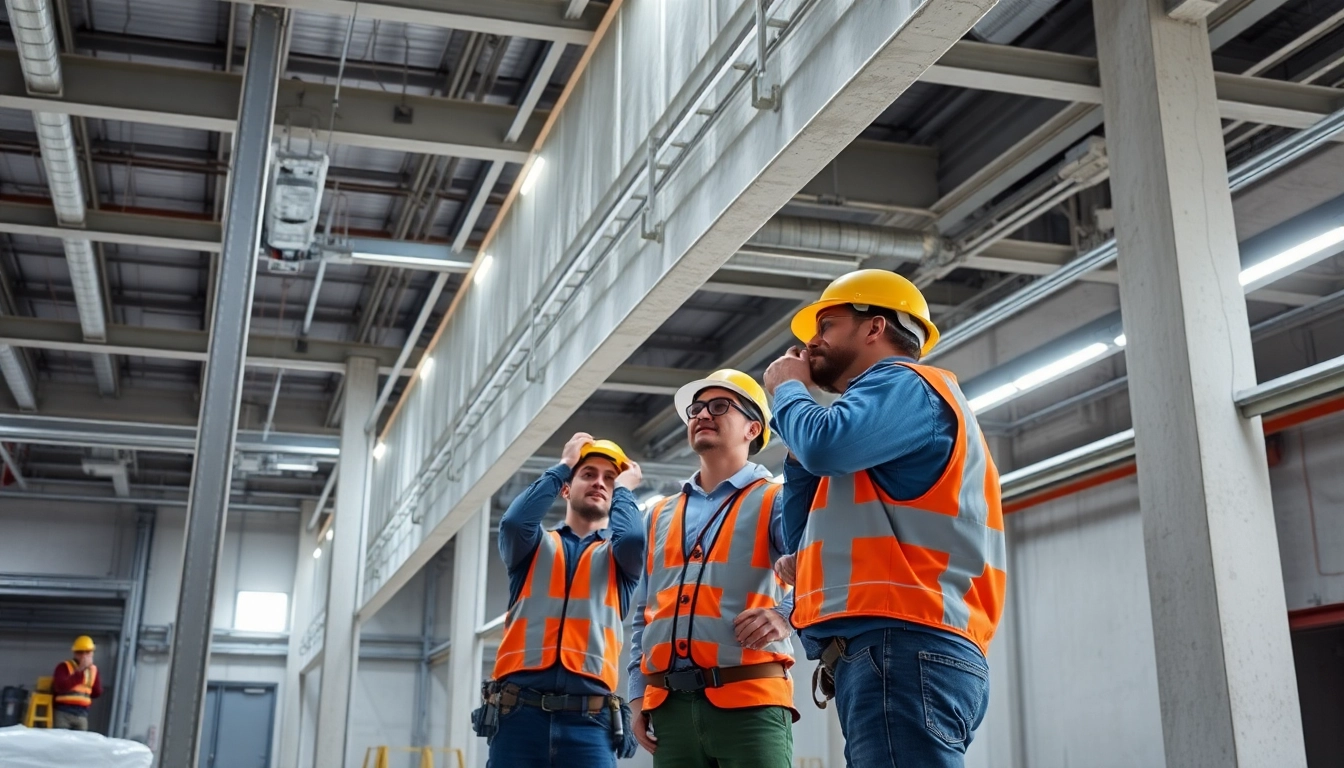
Understanding Fireproofing Contractors
Fireproofing is a critical safety measure in construction, helping to protect lives and property from the destructive forces of fire. Engaging the right fireproofing contractors can ensure that buildings are adequately safeguarded against fire hazards. Fireproofing contractors are specialists who provide various services to make structures more resistant to fire. Understanding their offerings is vital for anyone looking to enhance fire safety in their construction projects.
What Services Do Fireproofing Contractors Offer?
Fireproofing contractors offer a range of services designed to protect buildings from fire. These services typically include:
- Passive Fire Protection: Installation of fire-resistant materials that prevent the spread of flames and smoke.
- Intumescent Coatings: Application of materials that expand under heat, forming a protective char layer.
- Cementitious Fireproofing: Spraying a cement-like material that provides thermal insulation and fire resistance.
- Firestop Systems: Sealing openings and joints to prevent fire and smoke from moving through walls and ceilings.
- Inspection and Maintenance: Regular checks to ensure that existing fireproofing measures remain effective and compliant with local codes.
The Importance of Fireproofing in Construction
The significance of fireproofing cannot be overstressed. Effective fireproofing not only protects human life but also mitigates property damage, ensuring business continuity and reducing insurance premiums. Buildings that do not adhere to fire safety standards may face legal repercussions and loss of reputations.
Moreover, well-fireproofed structures can lead to long-term cost savings, as they may lower maintenance needs and improve energy efficiency by enhancing insulation properties.
Common Materials Used by Fireproofing Contractors
Fireproofing contractors employ various materials depending on the specific requirements of a project. Common materials used include:
- Mineral Wool: A non-combustible insulation material that provides sound insulation alongside fire resistance.
- Cementitious Products: Fire-resistant sprays that are typically easy to apply and effective in safeguarding underlying structures.
- Intumescent Paints: A coil that reacts to heat, providing layers of insulation and stopping flames from spreading.
- Fire Retardant Coatings: Chemicals applied to construction materials that impede ignition and flame spread.
Choosing the Right Fireproofing Contractor
Finding the right fireproofing contractor for your project is vital for ensuring quality, compliance, and safety. As the stakes are high, careful consideration is necessary when selecting professionals in this field.
Key Factors to Consider When Hiring
When searching for fireproofing contractors, consider the following:
- Experience: Look for contractors with a solid track record and relevant experience in your type of project.
- Certifications: Ensure that the contractor holds necessary licenses and has relevant certifications.
- Reputation: Seek out reviews and testimonials from past clients to gauge the contractor’s reliability and quality of work.
- Insurance Coverage: Confirm that the contractor is fully insured to protect against any potential liabilities during the project.
Questions to Ask Potential Fireproofing Contractors
Before hiring a fireproofing contractor, it’s essential to have certain questions ready:
- What type of fireproofing materials do you use, and why?
- Can you provide references from past projects similar to mine?
- How do you ensure compliance with local fire codes and regulations?
- What is your process for inspecting and maintaining fireproofing systems?
Evaluating Certifications and Experience
Certifications can provide assurance of a contractor’s expertise. Look for qualifications from recognized reputable bodies within the industry. Experience is equally important; the longer a contractor has been in business, the more likely they are to navigate challenges effectively.
Cost Factors Involved with Fireproofing
Understanding the cost factors associated with fireproofing is crucial for making informed budgeting decisions.
Average Pricing for Fireproofing Services
The average cost for fireproofing services can range widely depending on several aspects. Generally, square footage is the primary determinant of overall costs. As of now, rates may vary from $2 to $4 per square foot, though prices can exceed this average based on material selection and labor costs.
Understanding Cost Variations
Several factors influence the cost of fireproofing services:
- Type of Material: More advanced materials can drive up costs.
- Project Size: Larger projects may benefit from economies of scale, while smaller jobs may incur higher rates.
- Location: Geographical location can affect labor costs due to varying living expenses.
- Site Condition: Considerations such as accessibility can alter costs significantly.
Budgeting for Fireproofing Projects
Budgeting should account for all phases of fireproofing, from initial consultation through to inspection and maintenance. It is beneficial to establish a comprehensive budget that includes contingency funds for unforeseen expenses.
Fireproofing Methods and Technologies
In the realm of fireproofing, staying updated on current technologies and methodologies can provide significant advantages in safety and efficiency.
Types of Fireproofing Techniques
Fireproofing contractors employ various techniques to meet client needs:
- Spray Applied Fireproofing: A cost-effective and efficient method, ideal for large surfaces.
- Board Fireproofing: Involves installing boards made from fire-resistant materials in high-risk areas.
- Cast-in-Place Fireproofing: Utilizes specially formulated materials mixed into concrete for integrated fire resistance.
Innovations in Fireproofing Technologies
Recent innovations in fireproofing technologies continue to reshape standards within the industry. New materials, such as advanced intumescent paint, have emerged, which can provide better fire resistance with less aesthetic impact and faster application times.
Long-term Benefits of Effective Fireproofing
Effective fireproofing leads to numerous long-term benefits, including:
- Increased property value.
- Decreased fire insurance premiums.
- Enhanced safety for occupants and first responders.
- Greater peace of mind for owners and stakeholders.
Frequently Asked Questions about Fireproofing Contractors
What is the Average Cost of Fireproofing?
The average cost typically ranges between $2 to $4 per square foot, with variations influenced by material type and project specifics. Comprehensive estimates should include both material and labor costs.
How Long Does Fireproofing Last?
The longevity of fireproofing depends on the materials used and exposure conditions but generally lasts between 10 to 50 years. Regular inspections can help ensure effectiveness over time.
Is Fireproofing Required by Code?
Yes, building codes usually mandate fireproofing in specific construction types. Compliance with local regulations is essential to avoid legal complications and ensure safety.
Can Residential Properties Benefit from Fireproofing?
Absolutely! Residential properties, especially those in high-risk areas or built with combustible materials, greatly benefit from fireproofing measures that enhance safety and property value.
How Do I Prepare for a Fireproofing Project?
Preparation for a fireproofing project includes assessing the building’s needs, meeting with contractors to discuss options, and ensuring all necessary permits and regulations are addressed prior to installation.