

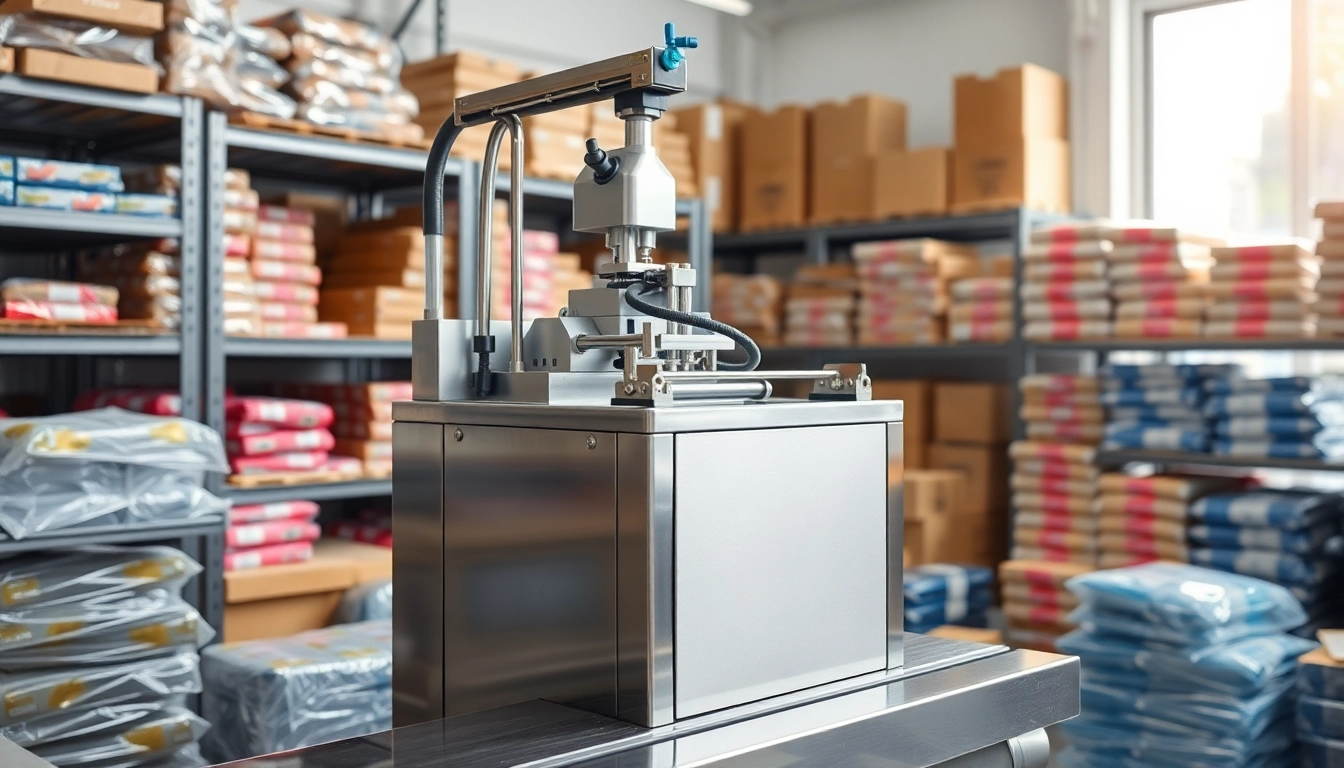
Understanding the Shrink Wrap Machine
What is a Shrink Wrap Machine?
A shrink wrap machine is an innovative packaging device that applies heat to a plastic film, causing it to shrink tightly around the product it covers. This technology is widely utilized across various industries, including food, electronics, and retail. The primary purpose of a shrink wrap machine is to protect products during storage and transportation while providing a visually appealing presentation on retail shelves.
How Does a Shrink Wrap Machine Work?
The operation of a shrink wrap machine is straightforward yet highly effective. Initially, the product is placed on the machine’s loading area or conveyor belt, where it is positioned beneath a sheet of shrink film. The machine then seals the film around the product using heat sealing elements, creating an airtight cover. Once sealed, the wrapped product undergoes a heat application process, typically using either a heat tunnel or hand-held heat gun, which causes the film to shrink tightly and conform to the shape of the product.
Types of Shrink Wrap Machines
Shrink wrap machines come in various configurations tailored to different packaging needs. The primary types include:
- Manual Shrink Wrap Machines: Ideal for small businesses or low-volume operations, these machines require manual intervention for each wrapping process.
- Semi-Automatic Shrink Wrap Machines: These are suitable for medium-scale applications where some manual operation is required, but the majority of the packaging process is automated.
- Automatic Shrink Wrap Machines: Designed for high-volume production environments, these machines can automatically feed, wrap, and seal products with minimal human oversight.
Benefits of Using a Shrink Wrap Machine
Cost Efficiency in Packaging
The economic advantage of utilizing a shrink wrap machine is remarkable. By wrapping products efficiently, businesses can reduce packaging waste and labor costs significantly. The machine’s ability to wrap products at high speeds allows companies to increase production rates, thus improving overall profitability.
Protection and Preservation of Products
One of the core benefits of shrink wrapping is that it provides an airtight seal that keeps out dust, moisture, and contaminants. This protection not only preserves product integrity but also extends shelf life, especially in food and beverage sectors. The robust nature of shrink-wrapped packages ensures better durability during transportation and handling.
Enhanced Visual Appeal
Shrink wrapping enhances the visual appeal of products by providing a clean, professional-looking presentation. The transparency of shrink wraps allows consumers to see the product while ensuring it remains tamper-proof. Eye-catching labels can be directly applied on the film, creating an attractive display that can boost sales and brand recognition.
Choosing the Right Shrink Wrap Machine
Assessing Your Packaging Needs
Before investing in a shrink wrap machine, it’s essential to evaluate your specific packaging requirements. Consider factors such as the type and size of products, the volume of production needed, and your budget constraints. Assessing these factors helps in selecting a machine that meets your operational goals without overspending.
Factors to Consider Before Purchase
When choosing a shrink wrap machine, several critical factors should be considered:
- Production Capacity: Ensure that the machine can handle your production volume efficiently.
- Film Compatibility: Check if the machine is compatible with various types of shrink films.
- Ease of Use: Consider user-friendly features and the level of automation.
- Maintenance Requirements: Look for machines that require minimal upkeep to maintain productivity.
Common Features of Quality Machines
High-quality shrink wrap machines often come equipped with several features that enhance performance, including:
- Adjustable Temperature Control: Allows operators to set the right temperature for optimal shrinkage based on different films.
- Programmable Settings: Facilitates automation and saves setup time for repetitive tasks.
- Safety Features: Protects operators from potential hazards during operation.
- Compact Design: Saves space without compromising on efficiency, especially crucial for businesses with limited floor area.
Operational Best Practices
Maintenance Tips for Longevity
To ensure the longevity of your shrink wrap machine, regular maintenance is vital. Routine inspections, cleaning of heating elements, and lubrication of moving parts can prevent downtime and costly repairs. Keeping the machine clean from dust and debris will also maintain optimal performance.
Staff Training and Safety Procedures
Proper training for staff is essential to operate a shrink wrap machine efficiently and safely. Develop comprehensive training programs that cover machine operation, safety protocols, and emergency procedures. By instilling a strong safety culture, you reduce the risk of workplace accidents and improve employee confidence in operating machinery.
Optimal Usage Techniques
To maximize the effectiveness of your shrink wrap machine, follow optimal usage techniques such as ensuring correct film tension when wrapping products and maintaining clear pathways for operator movement. Proper stacking and loading of items onto the machine can also prevent jams and enhance operational efficiency.
Measuring Success Post-Implementation
Key Performance Indicators (KPIs)
Measuring the success of your shrink wrap implementation requires tracking key performance indicators. Some critical KPIs include production volume, error rates, waste reduction, and time taken for packaging operations. Monitoring these metrics will help assess efficiency and profitability post-implementation.
Customer Feedback and Adaptation
Soliciting customer feedback provides insight into product performance and packaging effectiveness. Understand how the packaging affects customer satisfaction and adapt your processes accordingly. Continuous improvement based on feedback is essential for maintaining a competitive edge.
Measuring Cost Savings and Efficiency
To quantify the financial benefits of using a shrink wrap machine, analyze both direct and indirect cost savings. This includes reduced material costs due to efficient use of shrink film, lower labor costs due to automation, and the potential increase in sales due to improved product presentation. Regularly reviewing these metrics will demonstrate the machine’s return on investment.
Frequently Asked Questions
1. What products are best suited for shrink wrapping?
Shrink wrapping is ideal for various products, including food items, electronics, and retail merchandise, due to its protective qualities and visual appeal.
2. How long does it take to wrap a product?
The time varies based on the machine type and product size, but efficient machines can often wrap hundreds of items per hour.
3. Can I use different shrink films?
Yes, many shrink wrap machines accommodate various types of films, including PVC, PE, and POF, enhancing versatility.
4. Is operator training necessary?
Absolutely! Proper training ensures safe operation, maximizes efficiency, and minimizes errors in the shrink wrapping process.
5. How do I measure the effectiveness of my shrink wrap machine?
Effectiveness can be measured through KPIs such as output rate, defect rates, and reduction in packaging costs, demonstrating overall performance.