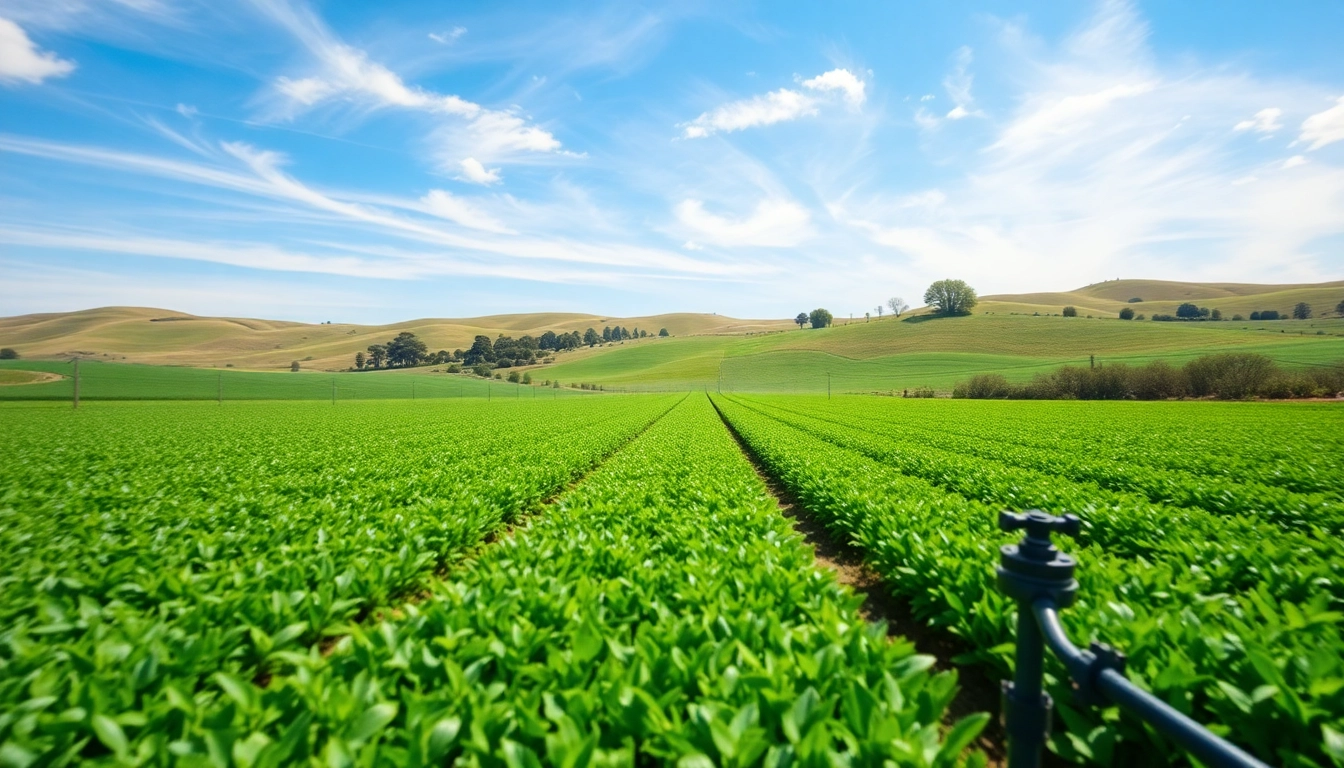
Understanding Land Irrigation
Definition and Importance of Land Irrigation
Land irrigation refers to the artificial application of water to soil or land to assist in the growing of crops. It is a critical agricultural practice that enhances crop yield, maintains soil moisture, and helps manage water resources effectively. With a growing global population and increasing food demands, understanding the principles and practices of land irrigation has never been more crucial. This practice ensures that crops receive an adequate water supply, improving their overall health and resilience against drought.
Types of Land Irrigation Systems
Various types of land irrigation systems exist, each tailored to specific agricultural needs, terrain, and climate conditions. The most common types include:
- Surface Irrigation: Water is distributed over the field by gravity. This type is simple and cost-effective, but it can lead to uneven water distribution and soil erosion.
- Drip Irrigation: Water is delivered directly to the root zone of plants through a network of tubing and emitters. This method conserves water and minimizes evaporation.
- Sprinkler Irrigation: Water is sprayed over crops in a manner similar to natural rainfall. It’s versatile and suitable for various types of crops but can be more costly to install and maintain.
- Subsurface Irrigation: Water is delivered below the soil surface, allowing for efficient water use and reduced evaporation losses.
How Land Irrigation Affects Crop Yield
The impact of land irrigation on crop yield is profound. Research shows that proper irrigation techniques can enhance crop output by up to 60%. Adequate water supply during crucial growth phases, such as flowering and grain filling, significantly increases the quality and quantity of the harvest. Moreover, appropriate irrigation practices help mitigate the effects of drought, improve soil structure, and enhance nutrient absorption, all contributing to higher crop production.
Best Practices for Land Irrigation
Designing an Effective Irrigation Plan
Creating an effective irrigation plan involves several key steps:
- Assess the Land: Evaluate soil types, topography, and water availability.
- Calculate Water Needs: Determine the water requirements for different crops based on growth stages and local climate.
- Select the Right System: Choose a system that suits the land characteristics and crop needs.
- Implement Timing Strategies: Develop a schedule for irrigation that aligns with weather conditions and crop humidity needs.
- Monitor and Adjust: Regularly assess soil moisture and crop responses, adjusting the irrigation strategy accordingly.
Common Mistakes to Avoid in Land Irrigation
Effectively managing land irrigation requires avoiding several common pitfalls:
- Overwatering: This can lead to water logging and root rot. It’s crucial to tailor the amount of water based on crop needs.
- Poor Scheduling: Without proper timing, farmers may waste resources or allow crops to suffer from drought.
- Neglecting Soil Testing: Understanding soil health and nutrient levels is vital for informed irrigation practices.
- Lack of Maintenance: Regularly checking and maintaining irrigation infrastructure can prevent costly breakdowns and inefficiencies.
Seasonal Adjustments in Land Irrigation Techniques
Adapting irrigation practices seasonally is vital to account for changing weather patterns and crop growth stages. In spring, when seedlings require consistent moisture, deeper irrigation methods like drip systems are beneficial. In contrast, during hot summer months, increased irrigation frequency may be necessary to prevent stress. Monitoring rainfall and soil moisture levels enables farmers to adjust their irrigation schedules, improving efficiency and reducing water waste.
Technological Advances in Land Irrigation
Smart Irrigation Systems and Automation
Smart irrigation technologies are revolutionizing land irrigation by using sensors, weather data, and automated systems to optimize water use. These systems can adjust water application rates in real-time, ensuring that crops receive the precise amount of water needed. For instance, soil moisture sensors can signal the irrigation system to activate only when moisture levels drop below a set threshold, significantly reducing overall water use.
Benefits of Precision Agriculture in Land Irrigation
Precision agriculture encompasses techniques and technologies that allow farmers to tailor irrigation strategies to specific areas of their fields. This approach can lead to significant water savings, improved crop yields, and enhanced soil health. Data from satellite imagery, drones, and soil sensors allows farmers to apply water only where it’s needed, reducing waste and maximizing efficiency.
Case Studies on Innovative Irrigation Technologies
Several case studies demonstrate the impact of innovative irrigation technologies:
- Drip Irrigation Adoption in Israel: Israel’s extensive use of drip irrigation has transformed arid landscapes into productive farmland, serving as a global model for efficient water use.
- Smart Irrigation in California: In California, farmers using smart irrigation technologies report water savings of up to 30% while maintaining crop yield.
- Sensor-Based Irrigation in Australia: Australian farmers utilizing soil moisture sensors have documented increases in both crop yield and water efficiency, highlighting the benefits of data-informed irrigation practices.
Environmental Considerations in Land Irrigation
Sustainable Practices for Water Conservation
Sustainability in land irrigation is essential for ensuring the long-term viability of agricultural systems. Practices such as rainwater harvesting, scheduling irrigation based on weather forecasts, and using native plants in landscaping can help conserve water. Furthermore, farmers can integrate cover crops to improve soil structure and moisture retention, creating a more resilient agricultural system.
Impact of Land Irrigation on Soil Health
The method of irrigation and water management plays a significant role in soil health. Excessive irrigation can lead to soil salinization, where salts accumulate to toxic levels. Conversely, maintaining appropriate moisture levels enhances microbial activity and nutrient cycling in the soil. Practices like cover cropping, reduced tillage, and crop rotation can bolster soil health and mitigate the risks associated with irrigation.
Legal Regulations Affecting Land Irrigation
Legal regulations surrounding water rights and land use significantly influence irrigation practices. Farmers must navigate a complex landscape of local, state, and federal laws concerning water allocation and usage. Understanding these regulations is crucial for sustainable and compliant agricultural practices, as it can affect water availability and irrigation strategies.
Future Trends in Land Irrigation
Emerging Methods and Their Benefits
The future of land irrigation is likely to include more sophisticated methods such as nanotechnology and variable rate irrigation (VRI). Nanotechnology can enhance water retention and availability, while VRI enables precise water application tailored to specific crop requirements. These innovations promise to further improve resource efficiency and crop performance, aligning agricultural practices with sustainability goals.
The Role of Climate Change in Land Irrigation Techniques
Climate change poses significant challenges to traditional land irrigation practices, necessitating adaptive strategies. In regions facing increased drought or erratic rainfall patterns, adjusting irrigation methods and infrastructure is essential. Utilizing drought-resistant crop varieties, implementing efficient irrigation systems, and improving water conservation practices can help mitigate the adverse effects of climate change on agriculture.
Community-Based Approaches to Land Irrigation
Community-based approaches to irrigation management empower local farmers to collectively address irrigation challenges. These methods foster collaboration and knowledge sharing, leading to more efficient water use and better crop outcomes. Successful examples of this approach include communal irrigation systems and cooperative water management, where local stakeholders work together to manage shared resources effectively.
Frequently Asked Questions
1. What is land irrigation?
Land irrigation is the artificial application of water to soil to support crop growth, enhancing soil moisture and improving agricultural productivity.
2. What are the main types of land irrigation systems?
The main types include surface irrigation, drip irrigation, sprinkler irrigation, and subsurface irrigation, each suited to different agricultural needs.
3. How can technology improve land irrigation?
Technologies like smart irrigation systems and precision agriculture enable more efficient water use by tailoring irrigation based on real-time data.
4. How does land irrigation affect the environment?
Proper land irrigation can enhance soil health and conserve water, but over-irrigation may lead to issues like soil salinization and runoff.
5. What trends are shaping the future of land irrigation?
Emerging trends include the use of advanced technologies, climate adaptability, and community-based management approaches for more sustainable practices.