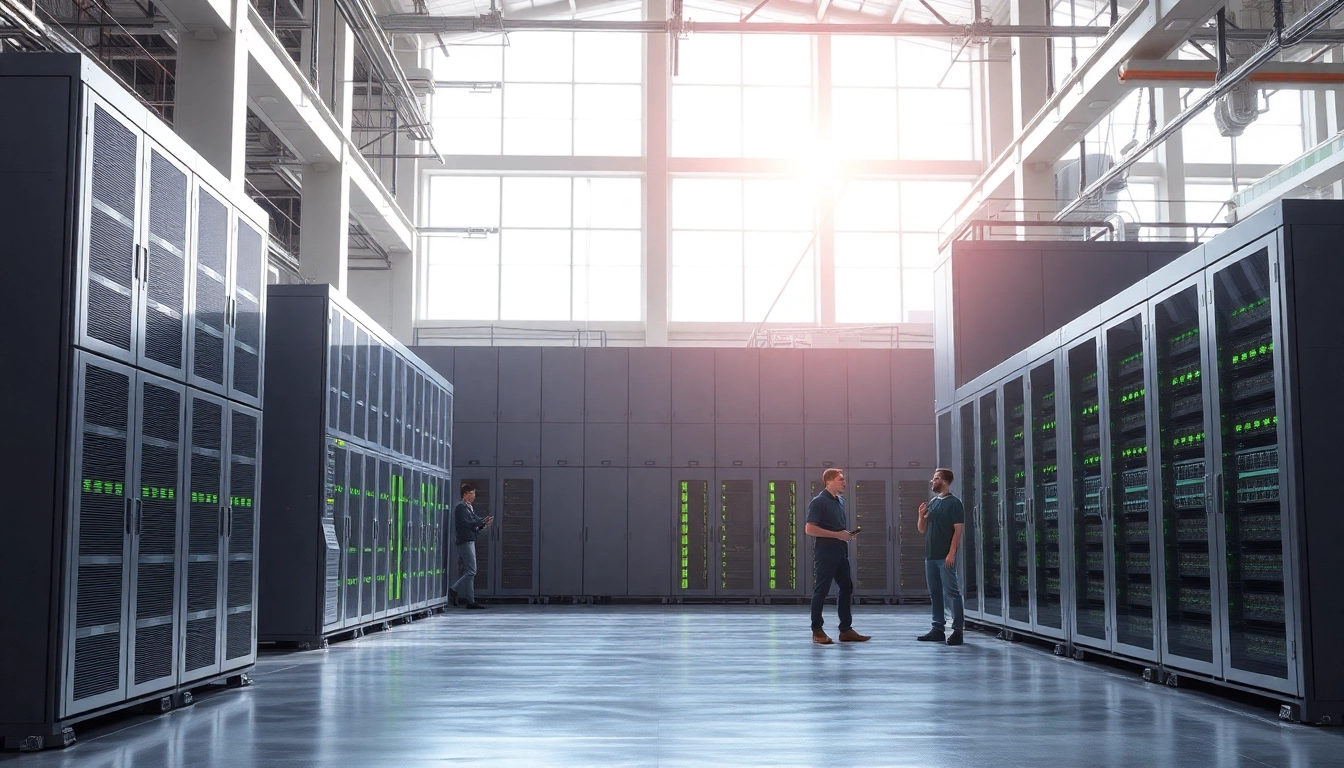
Understanding Commercial Storage Systems
Definition and Purpose of Commercial Storage Systems
In the evolving landscape of business operations, the need for efficient and scalable solutions has grown exponentially. At the heart of this transformation lies the commercial storage system, which serves as a pivotal component in optimizing energy management and resource allocation. Commercial storage systems are designed to store surplus energy generated from renewable sources, such as solar panels, and make it available for use when demand peaks or production dips. This capability not only stabilizes energy availability but also underpins strategic decision-making around consumption and sustainability.
Types of Commercial Storage Systems Available
Commercial storage systems encompass a variety of technologies that cater to different energy requirements. The most prevalent types include:
- Batteries: Lithium-ion batteries are the most common choice due to their efficiency, longevity, and decreasing costs. Lead-acid batteries, while less popular, can still find applications in specific use cases due to their lower initial investment.
- Flywheels: These systems convert electricity into kinetic energy, storing it in a rotating mass. They provide quick access to power and can handle a high number of charge and discharge cycles without significant degradation.
- Pumped Hydro Storage: This method leverages gravitational potential energy by pumping water to a higher elevation and releasing it through turbines to generate electricity during peak demand.
- Thermal Storage: Systems that use materials to store heat or cold for later use, balancing energy supply and demand without relying on electricity storage.
Market Trends and Growth in Commercial Storage Systems
As the global emphasis on sustainability intensifies, the commercial storage systems market is poised for remarkable growth. According to industry reports, the market is expected to reach $25 billion by 2026, propelled by technological advancements and government incentives aimed at reducing carbon footprints. The integration of Artificial Intelligence (AI) for predictive analytics and operational efficiencies is further unlocking potential in energy management systems, positioning organizations to not only save costs but enhance their service offerings.
Benefits of Implementing a Commercial Storage System
Increased Efficiency and Workflow Optimization
The operational efficiencies gained from deploying a commercial storage system are substantial. First, these systems enable businesses to maximize their use of renewable energy, thereby reducing dependence on traditional grid power and lowering overall energy costs. In addition, automated energy management systems can optimize load distribution, balance energy resources dynamically, and improve overall workflow. By ensuring the right energy supply at the right time, organizations can streamline operations, ultimately enhancing productivity and throughput.
Cost Savings and Energy Efficiency
Implementing commercial storage systems can lead to significant long-term savings. By enabling users to store energy during off-peak hours and utilize it during peak demand, businesses can sidestep higher utility rates and take advantage of demand response programs. Additionally, as energy prices continue to rise, having a robust storage solution allows businesses to hedge against fluctuations in energy costs. This financial predictability contributes to enhanced budgeting and resource allocation capabilities, which are essential for sustainable growth.
Enhanced Security Features and Monitoring
Modern commercial storage systems come equipped with advanced security features that not only protect stored energy assets but also provide comprehensive monitoring capabilities. These systems typically include surveillance components, remote monitoring options, and real-time alerts to detect any irregularities in energy consumption or system performance. By leveraging these technologies, businesses can ensure safety, mitigate risks associated with energy theft or inefficiencies, and maintain compliance with regulatory requirements.
Common Challenges with Commercial Storage Systems
Assessing Space Requirements and Layouts
One of the primary considerations when implementing a commercial storage system is the available space. Organizations must evaluate their facilities to determine suitable areas for installation without disrupting existing workflows. Space constraints may also influence the type of storage technology selected, as different systems require different spatial configurations. Engaging an expert in facility planning can help alleviate these challenges by optimizing layouts and ensuring that all electrical and mechanical systems work harmoniously.
Addressing System Compatibility Issues
Another significant hurdle is ensuring compatibility among existing infrastructure and new storage technologies. Organizations must conduct rigorous assessments to identify potential incompatibilities or deficiencies that could hinder system integration. Proactively working with technology vendors to identify solutions and ensure seamless integration can mitigate the risks associated with implementing new systems and technologies.
Maintenance and Operational Challenges
While commercial storage systems offer a plethora of advantages, they also require regular maintenance and monitoring to ensure peak performance. Organizations must consider establishing a maintenance schedule that aligns with operational needs to address any wear and tear, software updates, and hardware replacements. Furthermore, empowering staff with the proper training on how to monitor and operate these systems can help mitigate operational challenges and maintain operational continuity.
Best Practices for Selecting and Installing a Commercial Storage System
Evaluating Your Business Needs
Before selecting a commercial storage system, it is crucial for organizations to conduct a thorough analysis of their specific energy requirements and growth projections. This evaluation should include considerations of peak load requirements, energy consumption patterns, anticipated future expansions, and financial constraints. By addressing these factors early in the decision-making process, organizations can choose a storage solution that aligns with their immediate and long-term objectives.
Choosing the Right Equipment and Technology
The selection of storage technology significantly impacts performance efficiency and return on investment. Companies should research and compare different storage solutions, accounting for metrics such as energy density, cycle life, and warranty terms. Seeking out case studies or testimonials from organizations with comparable energy needs can offer valuable insights when making these decisions.
Engaging Professional Installation Services
Once a commercial storage system has been selected based on the organization’s needs, engaging professional installation services is paramount. Expert installers bring the technical knowledge necessary to ensure systems are setup accurately, minimizing the likelihood of errors. Additionally, they can provide insight into maximizing operational efficiencies based on best practices gleaned from prior installation experiences.
Measuring the Success of Your Commercial Storage System
Key Performance Indicators for Performance Evaluation
To measure the effectiveness of a commercial storage system, organizations should establish clear key performance indicators (KPIs) that reflect operational goals. These KPIs may include energy stored vs. energy used, cost savings achieved, rate of system utilization, and maintenance response time. By routinely monitoring these metrics, businesses can quickly identify areas for improvement and ensure their storage systems are delivering on intended outcomes.
Long-term Benefits and Return on Investment
Documenting the ROI from a commercial storage system reveals a comprehensive perspective on the value derived from the investment. Managers can assess how savings generated from energy utilization translate to reduced operational costs, while product life cycles and efficiency gains provide insight into sustainability practices. A successful deployment often results in improved brand reputation and customer trust, creating long-term benefits.
Future Upgrades and Scalability Options
Given the rapid advancements in technology, it is vital for organizations to consider future upgrade paths when selecting a commercial storage system. Scalability ensures that as the business grows, the storage system can adapt to increasing energy requirements. Engaging regularly with technology vendors can provide insights into emerging trends and innovations, allowing companies to stay ahead of the curve in energy management strategies.