
Understanding Motocross: The Basics
What is Motocross?
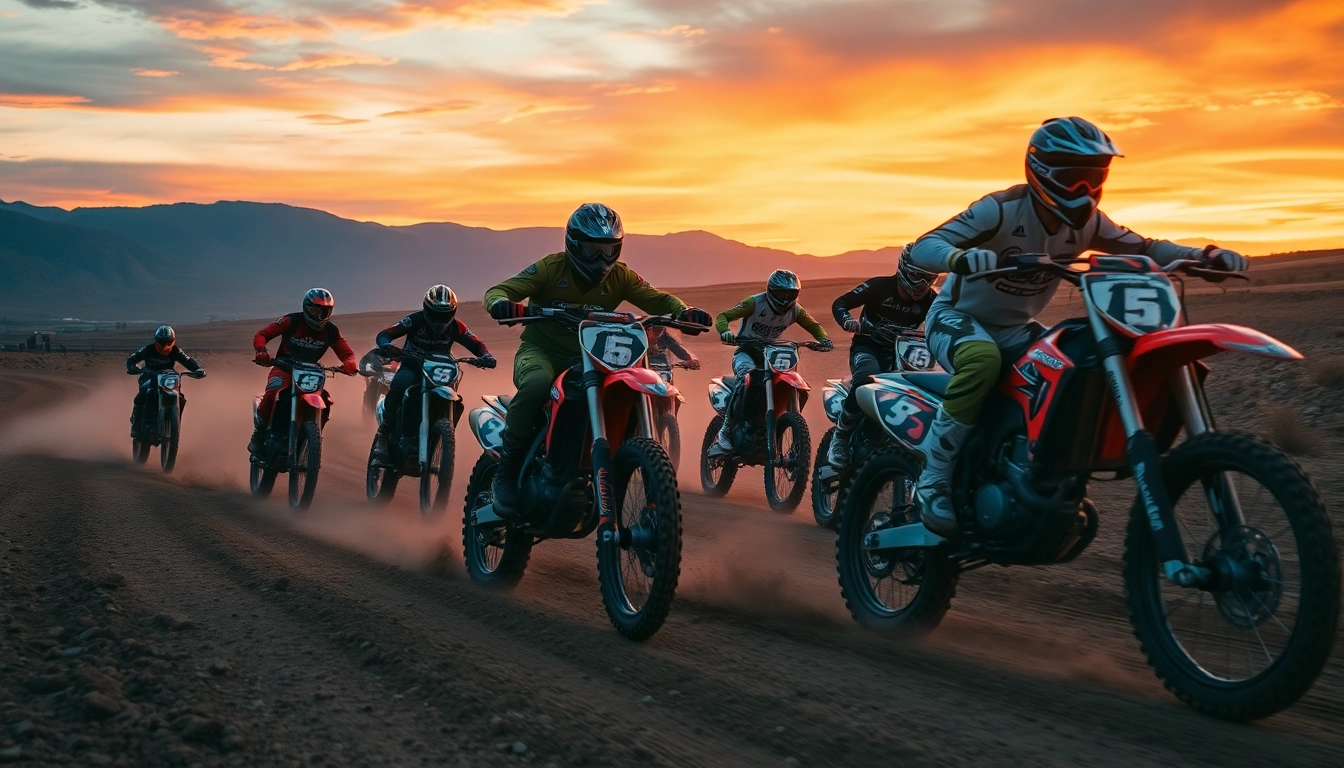
Motocross is an exhilarating and high-energy sport where riders navigate powerful dirt bikes across rough terrain, often competing on closed circuits filled with jumps, turns, and varied surfaces. This type of racing not only tests the rider's skill and endurance but also the capabilities of the motorcycle. It stands out for its ability to combine elements of speed, strategy, and technical riding in diverse outdoor environments. Often held on natural terrain, motocross events can take place in various formats, including single races and multi-race championships.
History and Evolution of the Sport
Motocross has its roots in the early 20th century when motorcycle trials began as a recreational activity among enthusiasts. The sport evolved significantly after World War II, particularly in the late 1940s and early 1950s, as motorcycle technology advanced. Organized racing events were introduced, and by the 1960s, motocross had transformed into a competitive sport, gaining recognition and followers globally. It further expanded with the formation of professional associations, leading to international competitions and the establishment of motocross as a staple in the realm of motorsports. Today, motocross not only includes traditional races but also has branched out into freestyle motocross and supercross formats, attracting a diverse audience and a range of talents.
Essential Gear for Beginners
For anyone looking to get into motocross, safety and comfort are paramount. Essential gear includes a high-quality helmet, protective goggles, motocross gloves, a padded jersey, knee guards, and specialized motocross boots. Additionally, a durable set of riding pants provides needed protection. Each gear component is designed not just for safety but also to enhance performance on the track. As such, investing in reliable gear is crucial for both novice and experienced riders alike. Beginners are often encouraged to try on various gear to find the right fit before committing to purchases.
Choosing the Right Motorcycle
Differences Between Motocross and Enduro Bikes
Choosing a motorcycle for off-road riding requires understanding the differences between various types of bikes, particularly motocross and enduro bikes. Motocross bikes are optimized for racing on closed tracks. They are lightweight, powerful, and designed for fast speeds and jumps. In contrast, enduro bikes are built to handle varying terrains and are more versatile, often equipped with features like larger fuel tanks and softer suspensions to manage the rugged trails they usually encounter. The choice between these two largely depends on the rider's style and preference, as well as the terrain they plan to tackle.
Top Brands and Models Reviewed
When it comes to motocross motorcycles, several brands have earned a reputation for quality and performance. Models from brands such as Yamaha, Kawasaki, Honda, and Suzuki often top the lists for their reliability, innovative features, and rider-friendly designs. For instance, the Yamaha YZ450F is celebrated for its precise handling and powerful engine, making it a favorite among competitive riders. Meanwhile, the Honda CRF450R stands out for its lightweight frame and advanced technologies that enhance both speed and control. Riders should consider their skill level and specific riding goals when choosing a model.
How to Select the Perfect Bike for Your Needs
Selecting the ideal bike involves balancing personal preferences with technical specifications. Riders should take into account their weight, height, and skill level when choosing a motorcycle. Additionally, testing different models can provide firsthand experience regarding comfort and handling. Consulting with fellow riders and experienced mechanics can also yield valuable insights into determining which bike truly fits one's style and purpose.
Riding Techniques for Success
Mastering Basic Riding Skills
Fundamental skills in motocross include proper body positioning, throttle control, and braking techniques. Riders should practice balancing their weight on the bike to navigate turns effectively and absorb jumps. Learning how to shift one's body weight forward or backward can dramatically influence the motorcycle's handling during various scenarios. Regular practice of these skills can help build muscle memory, essential for competitive riding.
Advanced Techniques for Competitive Riding
Once the basics are mastered, riders can advance to more complex techniques, such as cornering, jumping, and maintaining speed on varied terrains. Techniques like "the whoop section" – a series of bumps on a track – require innovative suspension adjustments and precise throttle control. Riders can benefit from attending clinics or training camps dedicated to advanced techniques, where seasoned riders provide insights and tips from years of experience.
Safety Tips for Riders
As with any extreme sport, safety is a top priority in motocross. Riders are urged to consistently wear proper gear, including helmets and protective clothing. Pre-ride inspections of the motorcycle are essential to ensure everything is functioning correctly. Furthermore, recognizing personal limits during practice and competition can prevent injuries. Riders should also familiarize themselves with the motocross track and conditions, making adequate adjustments to their riding style as needed.
Preparing for Your First Race
Pre-Race Checklist
Successful race preparation begins with a detailed checklist. Riders should ensure their motorcycle is race-ready, with routine maintenance completed, including tire checks, fluid levels, and engine inspections. Besides the bike, personal gear should also be thoroughly reviewed. A checklist should encapsulate these elements aside from any necessary supplies for race day, such as hydration packs, snacks, and a first-aid kit.
What to Expect on Race Day
Race day can be exhilarating yet intimidating, particularly for beginners. Familiarity with the schedule, including practice laps and main events, can ease anxiety. Riders should arrive early to acclimate to the environment and perform last-minute checks on their gear and vehicle. Engaging with other racers can also provide camaraderie and helpful tips to enhance performance throughout the day.
Post-Race Recovery Tips
After a race, the focus should shift to recovery to prevent fatigue and injuries. Hydration is essential, as well as proper nutrition to replenish energy. Stretching exercises and light physical activity post-race can address muscle tightness and enhance flexibility. Riders should also take time to mentally reflect on their performance, identifying strengths and areas for improvement for future races.
The Future of Motocross Racing
Trends in Motocross Technology
The motocross industry is continually evolving, with technological advancements playing a critical role. Innovations such as electronic fuel injection and advanced suspension systems enhance performance and rider confidence. Additionally, the integration of data analytics and telemetry allows riders to track their performance metrics in-depth, fostering more informed training approaches and improved race strategies.
Growing Popularity and Fan Engagement
Motocross has witnessed a surge in popularity, especially among younger audiences. Social media platforms have become vital for engaging fans, providing real-time updates, and showcasing rider experiences. Bringing new fans into the fold through interactive content, online communities, and accessible live streams has strengthened the sport's presence globally.
How to Stay Involved in the Community
Community involvement is key to enhancing the motocross experience. Joining local clubs or online forums can facilitate networking with fellow enthusiasts, sharing tips, experiences, and improvement advice. Participating in events beyond racing – such as charity rides or mentorship programs – can also foster a sense of belonging and contribute to the sport’s positive impact on the community. Overall, forging relationships within the motocross culture enriches personal experiences and helps cultivate the sport’s future.
For more information on custom motorcycle articles tailored to your interests and needs, you can find insightful resources at https://relevance.com.ua.