Understanding Structural Steel Fabrication
The Basics of Structural Steel Fabrication
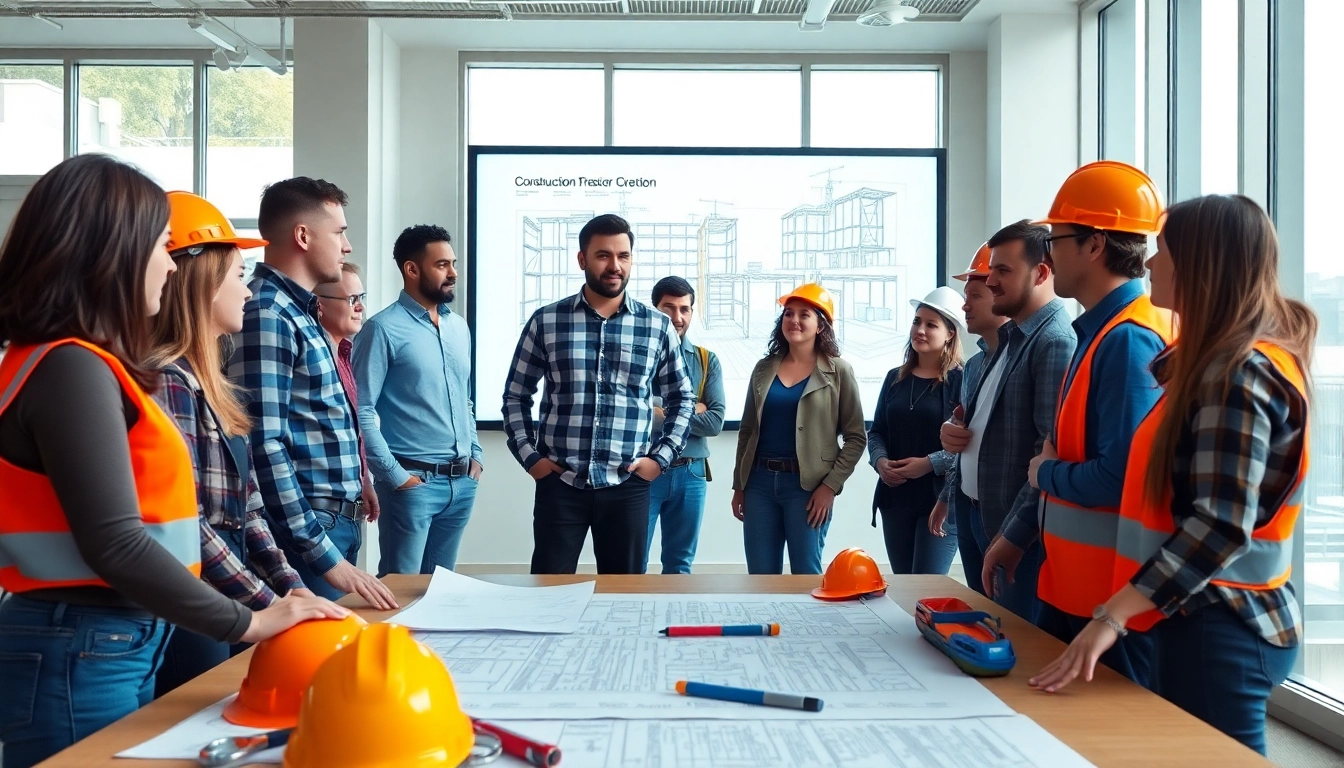
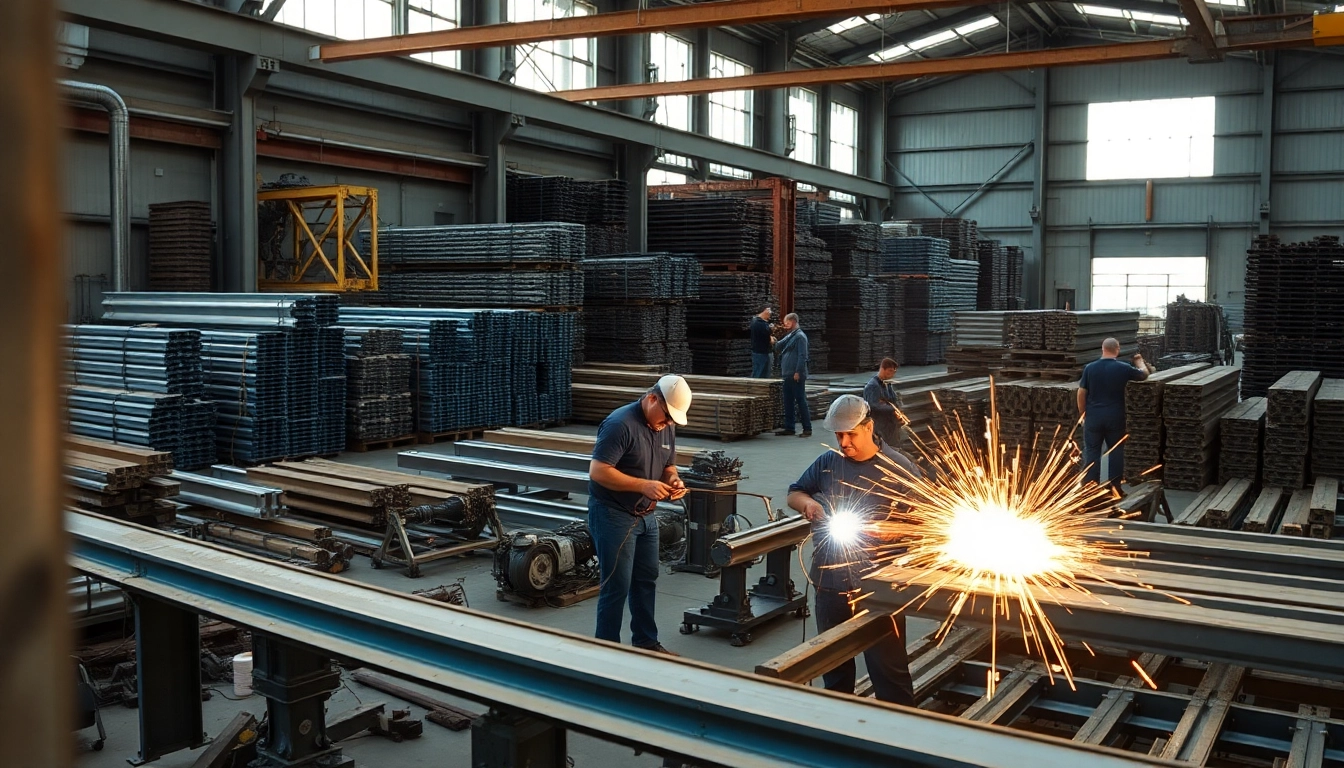
Structural steel fabrication is a crucial process in the construction industry, serving as the backbone for buildings, bridges, and various infrastructures. It involves cutting, shaping, and assembling steel components into structural forms, which are then used to create a framework for various types of construction projects. This process requires a blend of technical knowledge, skilled labor, and specialized equipment to deliver precision-engineered components that meet engineering specifications.
The primary stages of structural steel fabrication include design, material selection, cutting, welding, and assembling. Each stage demands careful planning and execution. The design phase often utilizes software to create detailed schematics, ensuring that the finished component will fit seamlessly into the larger architectural vision. The materials used, typically high-strength steel alloys, are chosen based on factors such as load-bearing capacity, environmental conditions, and corrosion resistance. Proper material selection is essential for the durability and integrity of the final structure.
Accuracy is paramount in this process. Any deviations from the specifications can result in structural weaknesses or even complete failure of the construction. This is where structural steel fabrication comes into play, as it combines traditional craftsmanship with modern technology to ensure exactness in every cut and weld.
Common Types of Structural Steel
Various types of structural steel are commonly used in fabrication. Each type is selected based on the specific needs of a project. Here are some of the most common forms:
- Hot-Rolled Steel: This is the most widely used type in structural applications because of its high strength and versatility. It is typically used in beams, columns, and steel shapes.
- Cold-Rolled Steel: Known for its heightened surface finish and precise dimensions, cold-rolled steel is often used for lighter structures or where aesthetic considerations are critical.
- Steel Plates: Thick sheets of steel used in various applications from bridges to heavy machinery, providing exceptional strength and support.
- Steel Beams: These are commonly utilized for framing and support structures, providing critical load-bearing capabilities.
- Steel Pipes: Used extensively in the construction of infrastructures like bridges and scaffolding due to their lightweight yet strong nature.
Importance of Precision in Fabrication
Precision in structural steel fabrication cannot be overstated. Every aspect, from the initial design to the final assembly, relies on exact measurements and processes. Inaccuracies can lead to a multitude of problems, including structural failures, safety hazards, and costly rework. Fabrication techniques must follow stringent quality standards to ensure that all components meet engineering specifications, which in turn guarantees the overall safety and durability of the infrastructure.
Modern fabrication techniques also incorporate various quality control measures. Techniques such as laser cutting or CNC machining allow for high levels of accuracy and repeatability, essential for mass production of components that will be assembled into complex structures.
Tools and Technologies in Steel Fabrication
Essential Equipment for Structural Steel Fabrication
Effective structural steel fabrication depends on a range of specialized equipment and tools, each serving a unique purpose in ensuring the efficiency and quality of the fabrication process. Some essential equipment includes:
- CNC Machines: These are highly precise machines that cut and shape steel automatically based on digital designs, reducing human error.
- Welding Equipment: Various welding technologies, like MIG and TIG welders, are employed to assemble steel components together, ensuring strong joints that can withstand significant loads.
- Cutting Tools: Tools such as plasma cutters, laser cutters, and saws are utilized to achieve precise cuts required in fabrication.
- Bending Machines: These machines give steel its desired shape through controlled pressure, ensuring consistent results.
- Material Handling Systems: Cranes and forklifts are used to safely maneuver steel sheets and structures throughout the workshop, enhancing workflow efficiency.
Advancements in Fabrication Technology
The technological landscape in structural steel fabrication has rapidly evolved, with advancements aimed at increasing efficiency, reducing waste, and improving safety. Innovations such as robotic welding and automated cutting have streamlined processes, allowing for faster production times while maintaining high quality.
Additionally, the integration of Artificial Intelligence (AI) in fabrication has opened doors for predictive maintenance, where machines can alert operators about potential issues before they become serious problems, ultimately minimizing downtime and saving costs.
Software Solutions for Effective Management
Software plays a crucial role in modern structural steel fabrication. It aids in various aspects of project management, from design to execution. Advanced software solutions such as CAD (Computer-Aided Design) and BIM (Building Information Modeling) enable engineers and architects to create detailed and accurate models, which enhances collaboration and communication among project stakeholders.
Moreover, project management software assists in scheduling, resource allocation, and budgeting, ensuring that projects are delivered on time and within financial constraints. These software tools facilitate the entire workflow, making it smoother and more manageable.
Best Practices for Structural Steel Fabrication
Safety Protocols in Steel Workshops
Safety is paramount in steel fabrication workshops. Implementing comprehensive safety protocols, including proper training for employees, regular safety audits, and adherence to industry regulations, is crucial to preventing accidents and injuries. Personal Protective Equipment (PPE) such as helmets, gloves, and eye protection should always be worn.
Regular drill exercises on emergency procedures can help prepare workers for unexpected situations. A strong safety culture enhances employee well-being and ensures smooth operational continuity.
Quality Control Measures
Quality control in structural steel fabrication ensures that the final product meets the required standards and specifications. This can be achieved through rigorous inspection processes, including visual inspections, dimensional checks, and non-destructive testing methods such as ultrasonic or radiographic testing. By implementing a robust quality control program, fabricators can identify defects early and rectify issues before components are integrated into larger structures.
Efficient Workflow Management
Efficient workflow management is essential in structural steel fabrication to optimize productivity and minimize delays. This can be accomplished through streamlined processes, integration of modern technologies, and effective communication among team members. Establishing clear lines of responsibility and encouraging collaboration helps in maintaining an organized environment. Utilizing Lean Manufacturing principles can also enhance workflow efficiency, focusing on waste reduction and value creation.
Challenges in Structural Steel Fabrication
Common Issues Faced by Fabricators
Fabricators often encounter various challenges, including supply chain disruptions, material shortages, and fluctuating prices of raw materials. These factors can negatively impact project timelines and budgets, leading to increased operational stress. Additionally, ensuring that every component meets precise engineering standards can be labor-intensive and requires skilled labor, which may be in short supply.
Regulatory Compliance and Standards
Compliance with local and international regulations is a vital aspect of structural steel fabrication. Fabricators must stay updated on building codes, safety regulations, and environmental standards that affect their operations. Non-compliance can result in legal issues, project delays, and financial penalties. Establishing a compliance program that regularly reviews and updates practices in line with regulatory changes can mitigate risks.
How to Overcome Fabrication Challenges
Overcoming challenges in structural steel fabrication often involves strategic planning and resource management. Developing strong relationships with suppliers can help mitigate risks associated with material shortages. Implementing training programs can upskill employees and ease labor shortages. Additionally, adopting adaptive project management methodologies can enhance flexibility, enabling quicker responses to any issues that arise during the fabrication process.
Future Trends in Structural Steel Fabrication
Impact of Sustainability on Steel Fabrication
Sustainability is becoming an increasingly vital aspect of structural steel fabrication. With growing concerns over climate change and resource depletion, there is a strong push towards using recycled materials and embracing eco-friendly practices. Developments in steel recycling technology allow for near-zero waste in the fabrication process, significantly reducing the environmental footprint of construction projects.
Innovation in Design and Construction
Innovative design and construction practices, such as modular construction and prefabrication, are reshaping the way structural steel is fabricated. By assembling components off-site and transporting them to the build location, time and costs can be more effectively managed. Advanced design methods also enhance creativity, enabling architects and engineers to pursue more ambitious and efficient structures.
Preparing for the Future of Fabrication
To thrive in the future of structural steel fabrication, companies must remain agile and adaptable to new technologies and market demands. Investments in research and development will be key to gaining a competitive edge. Additionally, fostering a culture of innovation and continuous improvement within teams will empower employees to contribute to advancements in fabrication practices and efficiencies.
Frequently Asked Questions
What is structural steel fabrication?
Structural steel fabrication is the process of cutting, shaping, and assembling steel components to create frameworks for buildings and structures.
What types of steel are commonly used in fabrication?
Common types include hot-rolled steel, cold-rolled steel, steel plates, steel beams, and steel pipes, each suited to specific applications.
How does technology impact steel fabrication?
Technology advances precision, efficiency, and safety in steel fabrication through automation, robotics, and project management software.
What safety measures should be implemented in steel workshops?
Essential safety measures include proper training, the use of PPE, regular safety audits, and conducting drills for emergency procedures.
How can fabricators ensure quality control?
Quality control can be ensured through rigorous inspection processes, such as visual assessments, dimensional checks, and non-destructive testing methods.