Understanding Bridge Cranes: Basics and Benefits
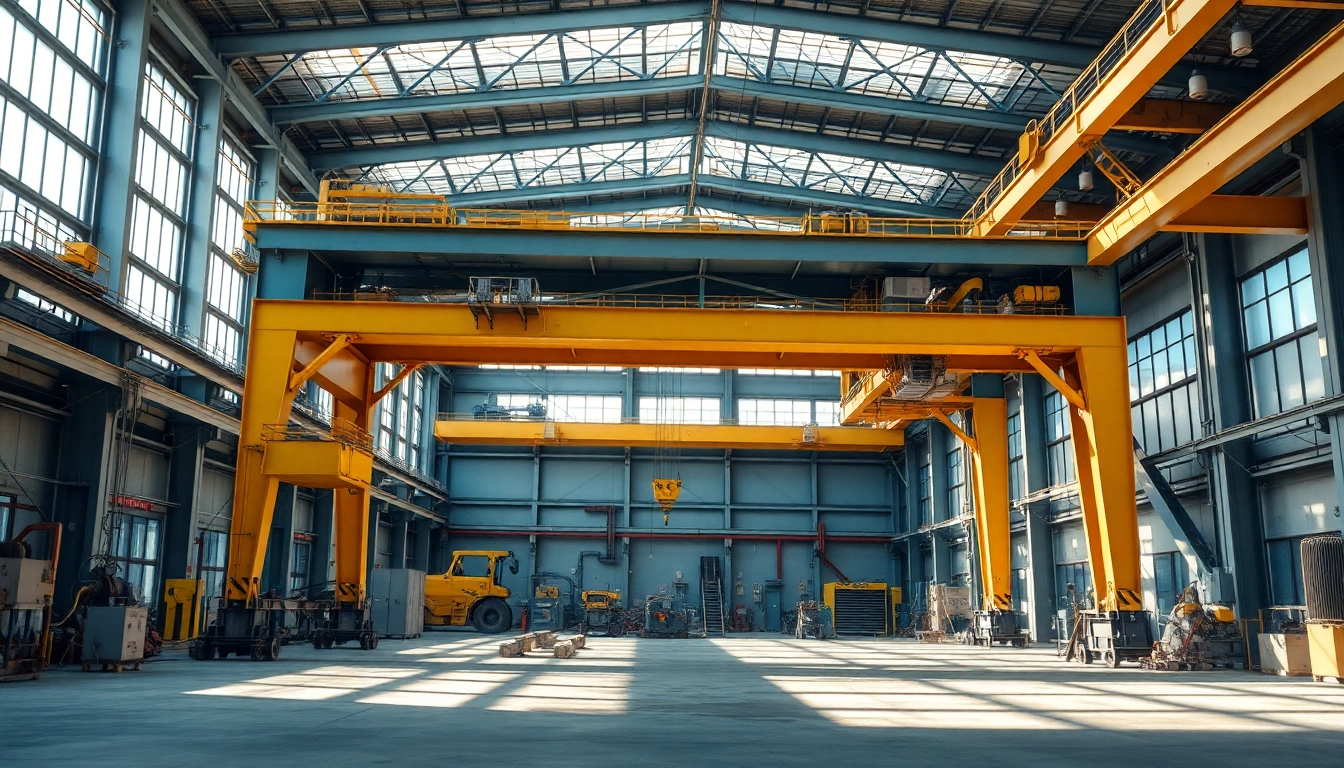
Bridge cranes, also known as overhead cranes, are essential tools in various industrial settings, providing efficient lifting solutions across many applications. These cranes typically consist of a hoist that moves along a bridge or beams suspended from a pair of runways. The design allows for optimal maneuverability and load handling, making them invaluable in warehouses, manufacturing floors, and construction sites. When exploring options, bridge crane systems can be tailored to meet specific operational needs, maximizing productivity and safety.
What is a Bridge Crane?
A bridge crane is a type of overhead crane characterized by its ability to lift and move heavy loads along a horizontal axis, typically within a defined workspace. The crane consists of a bridge that spans the width of the area being serviced, mounted on two parallel runways that allow for lateral movement. This configuration enables a whole range of mechanical advantages, such as reducing the need for manual lifting and increasing the speed of material handling.
Bridge cranes are primarily utilized in settings where heavy lifting is necessary, such as factories, warehouses, and shipyards. They can significantly streamline operations by allowing heavy loads to be moved quickly and efficiently, reducing labor costs and minimizing the risk of workplace injuries.
Key Advantages of Using Bridge Cranes
- Increased Efficiency: Bridge cranes can lift and move loads ranging from a few hundred pounds to several tons, enabling faster operations and improving overall productivity.
- Space Optimization: The overhead design frees up floor space, allowing for more effective use of the production area. It can also reduce congestion in high-traffic areas.
- Safety Enhancements: These cranes minimize the risk of injuries associated with manual lifting by automating the process, ensuring safer workplace environments.
- Customization: Bridge cranes can be tailored to meet specific operational needs, including varying lift heights, spans, and load capacities.
Common Applications in Various Industries
Bridge cranes have diverse applications across many sectors:
- Manufacturing: Used for assembling products, transporting raw materials, and lifting heavy machinery.
- Warehousing: Essential for loading and unloading goods, moving pallets, and increasing storage efficiency.
- Construction: Facilitating the lifting of heavy materials and equipment on job sites.
- Shipbuilding: Ideal for moving large components in shipyards, contributing to efficiency in the building process.
Types of Bridge Cranes: A Comprehensive Overview
Single vs. Double Girder Bridge Cranes
Bridge cranes are available in single and double girder configurations, each with unique advantages. Single girder cranes consist of one support beam, making them lightweight and a cost-effective option for lighter loads. They are often used in smaller workspaces and are easier to install.
Conversely, double girder cranes feature two beams, offering greater strength and the ability to handle heavier loads. This design is suitable for larger operations where frequent heavy lifting occurs, providing enhanced stability and lift height flexibility.
Freestanding and Ceiling-Mounted Options Explained
Bridge cranes can also be categorized based on their mounting style. Freestanding cranes are independent structures that can be installed anywhere in a facility, while ceiling-mounted cranes utilize existing building structures for support. The choice between the two often depends on available installation space and specific operational needs.
Specialized Bridge Crane Systems for Unique Needs
Some operations may require specialized bridge crane systems. For example, high-speed cranes are designed for rapid load handling, while explosion-proof cranes are engineered for environments where hazardous materials are present. Understanding these specialized features can help organizations select the right crane for their specific applications.
Bridge Crane Installation: Best Practices
Site Preparation and Space Requirements
Before installing a bridge crane, site preparation is crucial. This involves assessing the facility layout, ensuring adequate space for the crane's movement, and confirming that the building structure can support the load. Proper site evaluation prevents complications that could arise during the installation process.
Safety Considerations During Installation
Safety is paramount when installing bridge cranes. It is essential to follow industry guidelines and manufacturer instructions, ensuring that the installation team is well-trained and aware of OSHA regulations. Implementing proper rigging techniques and using adequate personal protective equipment (PPE) will further enhance safety during installation.
Post-Installation Testing and Compliance Checking
After installation, conducting thorough testing is vital to ensure the crane operates correctly. This includes checking load limits, control systems, and safety features. Compliance with relevant safety standards is also crucial, potentially requiring inspections from regulatory agencies.
Economic Factors: Cost of Bridge Cranes
Understanding the Pricing Structure
The cost of acquiring a bridge crane can vary significantly based on several factors, including the type of crane, load capacity, and any customization required. Basic models often range from $50,000 to over $100,000, with additional expenses for installation and maintenance. Understanding these costs is essential for budgeting effectively.
Maintenance Costs and Budget Planning
While initial purchase prices are significant, organizations must also consider ongoing maintenance costs. Regular inspections and servicing are necessary to ensure longevity and safe operation. Planning for these expenses is crucial in a budget to avoid unexpected costs down the line.
Evaluating Return on Investment (ROI)
Investing in a bridge crane should be assessed by its potential ROI. Consider how the crane will improve productivity, enhance safety, and reduce labor costs. By evaluating these factors, businesses can make informed decisions about acquiring a bridge crane.
Future Trends in Bridge Crane Technology for 2025
Innovative Features and Smart Crane Technology
The bridge crane industry is rapidly evolving, with significant advancements in technology. Innovations such as smart cranes equipped with IoT sensors are paving the way for predictive maintenance, remote monitoring, and enhanced operational efficiency. These features are expected to be standard by 2025, driving productivity levels even higher.
Developments in Safety Standards and Regulations
As technology advances, so do safety standards. By 2025, we can expect stricter regulations surrounding crane safety, emphasizing automated systems that minimize human error. Organizations will need to stay informed about these changes to ensure compliance and create safe working environments.
Environmental Impact and Sustainability Practices
With a growing focus on sustainability, bridge crane manufacturers are likely to prioritize environmentally friendly designs by 2025. This could include energy-efficient systems, recyclable materials, and reduced emissions during operation. Organizations should consider these factors when selecting cranes to align with their sustainability goals.