Understanding Refrigerator Types
Choosing the right Refrigerator is essential for any household. Refrigerators come in various styles, each with unique advantages and functionalities. Understanding these types will ensure you select the best option to suit your lifestyle and storage needs.
Top-Freezer Refrigerator Options
Top-freezer refrigerators are a classic choice, with the freezer compartment located at the top and the fridge section below. This design offers various benefits, including:
- Affordability: Typically, top-freezer models are more budget-friendly than other styles, making them an excellent choice for cost-conscious consumers.
- Energy Efficiency: These refrigerators often use less energy, translating into lower utility bills.
- Space-Saving Design: Ideal for smaller kitchens, top-freezer units maximize vertical space efficiently.
When selecting a top-freezer refrigerator, consider features such as shelving arrangements, storage bins, and whether it has a separate crisper for fruits and vegetables.
Bottom-Freezer Refrigerator Benefits
Bottom-freezer refrigerators place the freezer at the bottom, allowing easy access to fresh food. Some advantages include:
- Convenience: Since the refrigerator section, which is utilized more frequently, is at eye level, it minimizes bending or crouching.
- Organizational Features: Many models come equipped with pull-out drawers, making it easier to organize items.
- Better Temperature Control: The design often means more efficient cooling with consistent temperatures in both sections.
While bottom-freezer models may come at a higher price point, their ergonomic design and storage features can greatly enhance usability.
Side-by-Side Refrigerator Functionality
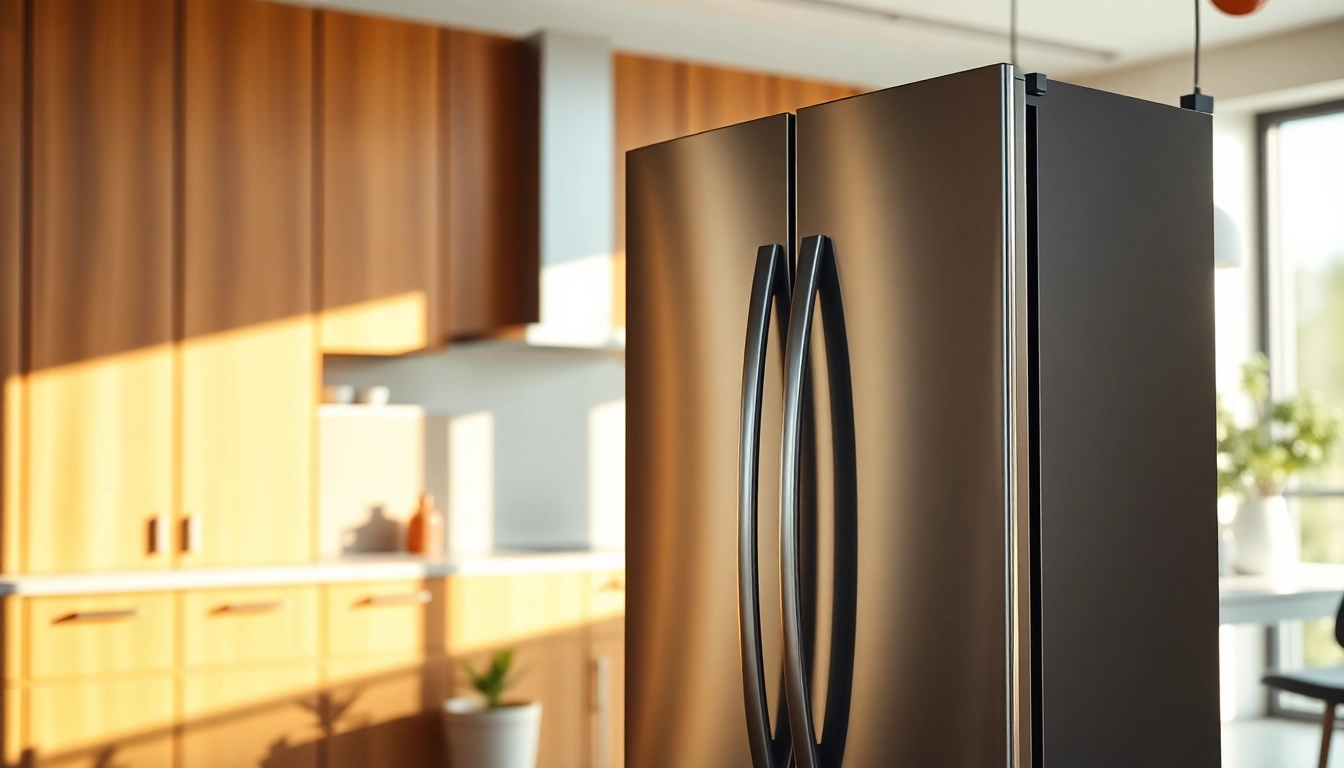
Side-by-side refrigerators have the fridge and freezer sections next to each other, which can provide several benefits:
- Space-Efficient: These units can fit into narrow kitchens without sacrificing storage space.
- Easy Access: Both refrigerated and frozen items are accessible at eye level, promoting efficiency and convenience.
- Advanced Features: Many side-by-side models include ice and water dispensers built into the door.
However, it's essential to ensure that the width of the doors in your kitchen allows for easy access, as side-by-side refrigerators typically require more clearance.
Essential Features to Look For
When selecting a refrigerator, several key features should influence your decision-making process. The right combination of specifications can enhance usability and energy efficiency.
Energy Efficiency Ratings Explained
Energy efficiency is a crucial consideration when purchasing a new refrigerator. Look for models with Energy Star ratings, which indicate they meet certain energy efficiency criteria set by the U.S. Environmental Protection Agency. This can lead to significant savings on electricity bills over the appliance's lifespan. Additionally, consider:
- Annual Energy Use: Check the estimated yearly energy consumption, measured in kilowatt-hours (kWh).
- Smart Features: Some energy-efficient models offer smart technology to optimize energy usage automatically.
Investing in an energy-efficient refrigerator not only benefits your wallet but also contributes to a reduced carbon footprint.
Storage Solutions in Modern Refrigerators
Storage solutions can vary significantly among refrigerator models. To maximize your purchase, consider features that enhance organization. Look for:
- Adjustable Shelving: These can be moved or removed to create space for larger items.
- Humidity-Controlled Crispers: Ideal for keeping fruits and vegetables fresher for longer.
- Door Bins: Adjustable and spill-proof door bins enhance accessibility and organization.
Assess your common grocery items to choose a configuration that aligns with your eating habits.
Smart Technologies and Connectivity
Today's refrigerators are increasingly integrated with smart technology, enhancing functionality and user experience:
- Wi-Fi Connectivity: Allowing for remote monitoring and adjustments via a smartphone app.
- Touchscreen Displays: Enabling direct interaction for recipes, notes, or even entertainment.
- Health Monitoring: Certain models can track food inventory, expiration dates, and freshness levels.
Consider how these smart features align with your lifestyle and whether they will enhance your daily routines.
Maintaining Your Refrigerator
To ensure longevity and optimal performance, regular maintenance is crucial. Proper care can extend the life of your refrigerator significantly.
Regular Cleaning and Care Tips
Cleaning your refrigerator should be a routine activity. Here are some practical tips to maintain cleanliness and functionality:
- Monthly Deep Cleaning: Empty the fridge, use a mild cleaning solution, and wipe down shelves, compartments, and seals.
- Check Temperature Settings: Ensure the interior temperature is between 37°F (3°C) for the fridge and 0°F (-18°C) for the freezer.
- Defrost Regularly: If not frost-free, defrost when ice exceeds a quarter-inch in thickness.
Taking these measures will not only keep your refrigerator spotless but also enhance its performance.
Common Issues and Troubleshooting
Every appliance may encounter issues over time. Here are some common problems and their solutions:
- Fridge Not Cooling: Check the temperature settings, ensure the door seals are intact, and verify that the vents aren't blocked.
- Excessive Frost Build-Up: This could indicate a defrost timer failure or a malfunctioning evaporator coil.
- Strange Noises: Unusual sounds often stem from the condenser fan or evaporator fan hitting an object or ice.
Regular troubleshooting can resolve minor issues before they escalate into costly repairs.
Extending the Lifespan of Your Refrigerator
With proper care, refrigerators can last up to 15 years or more. Here are factors to consider for longevity:
- Placement: Ensure adequate airflow around the unit to prevent overheating and excessive strain on the compressor.
- Monitor Power Surges: Using a surge protector can help safeguard your refrigerator against electrical damage.
- Regular Professional Servicing: Schedule annual maintenance checks to fix any issues before they worsen.
By adhering to these practices, you can significantly extend your refrigerator's lifespan and efficiency.
Buying Guide for Refrigerators
When purchasing a refrigerator, you must consider several factors to ensure you make the best choice for your household.
Budgeting for Your New Refrigerator
Establishing a budget is the first step in your refrigerator shopping journey. Here are some financial considerations:
- Initial Cost: Pricing can vary widely based on size, features, and efficiency ratings.
- Operating Costs: Factor in energy consumption and potential repair costs over the appliance's lifespan.
- Installation Fees: Remember to account for possible delivery and installation charges.
Setting a realistic budget can help narrow down your options, providing a clearer pathway to your perfect refrigerator.
Top Brands and What They Offer
The market features numerous refrigerator brands, each offering unique innovations. When researching brands, consider:
- Warranty and Support: A reputable brand should provide customer support and a solid warranty.
- User Reviews: Researching feedback from current owners can provide insights into performance and reliability.
- Feature Sets: Look for brands that offer a well-rounded range of features like energy efficiency, storage capabilities, and connectivity.
Familiarizing yourself with brand offerings can inform your decision and ensure you choose a reliable appliance.
Where to Buy a Refrigerator
There are multiple avenues to purchase a refrigerator, each with pros and cons:
- Department Stores: These typically provide a wide selection and immediate purchase options.
- Specialty Appliance Stores: For expert advice and a focused selection, these might be an ideal choice.
- Online Retailers: Often, they offer convenience, often with free delivery and competitive pricing.
Consider your personal preferences regarding shopping style, delivery options, and warranty services when deciding where to buy.
FAQs About Refrigerators
What is the average lifespan of a refrigerator?
Most refrigerators last around 10-15 years, but this can vary based on usage and maintenance.
How can I clean my refrigerator efficiently?
Use mild soap and warm water, clean spills immediately, and periodically check and replace seals.
Are energy-efficient refrigerators worth the investment?
Yes, energy-efficient refrigerators save on electricity bills and are better for the environment.
What size refrigerator do I need for my family?
A family of four typically requires a model with a capacity of 20 to 25 cubic feet.
How often should I defrost my refrigerator?
Defrost typically when ice build-up exceeds a quarter-inch for optimal performance.