
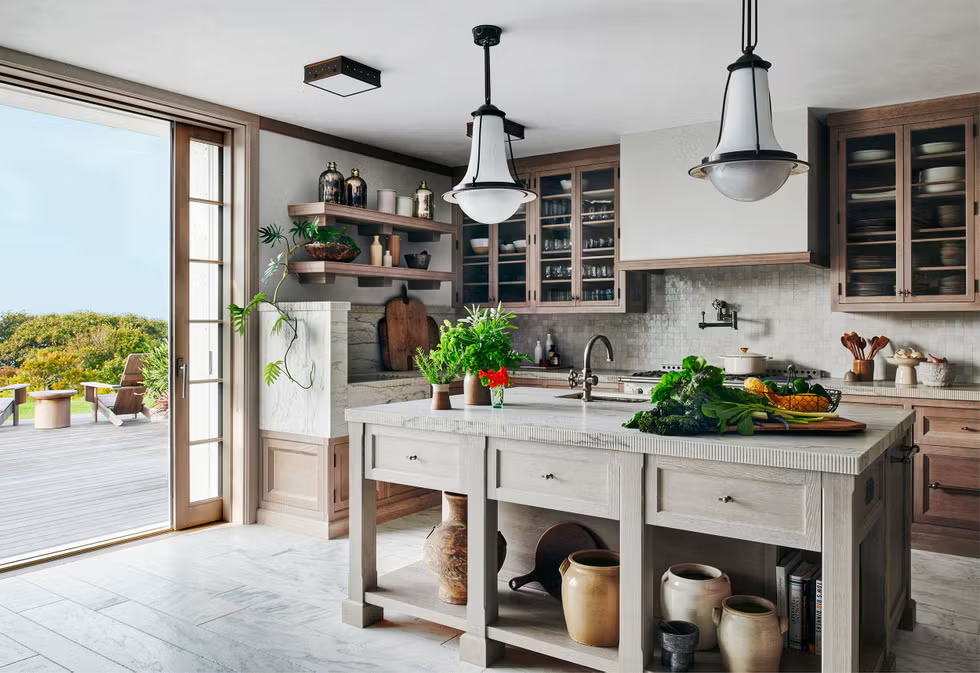
Granite worktops have been a favourite in quality kitchens for decades. Even with the rise of engineered materials such as quartz, porcelain and Dekton, natural granite still holds a special place for homeowners who want authentic stone with unique character. Every slab is different, with its own patterning, mineral flecks and colour variations, which means no two granite worktops are ever exactly the same. In this article, we will explore what makes granite so appealing, how it compares with other popular surfaces and what to think about when planning a new installation.
What Is Granite and Why Is It So Popular?
Granite is an igneous rock formed deep within the earth’s crust from slowly cooled magma. Over millions of years, this process creates a dense, crystalline structure made up of minerals such as quartz, feldspar and mica. The result is a hard, durable stone that can be polished to a high shine or finished in more subtle, honed textures. Because granite is quarried in large blocks and cut into slabs, each piece carries its own natural pattern and colour mix, giving kitchens a sense of individuality that engineered materials sometimes lack.
Homeowners are often drawn to granite because it offers a strong balance between beauty and practicality. It is tough enough to cope with everyday kitchen use and, when sealed correctly, can resist staining from most common spills. For anyone beginning their research into premium worktops, it is helpful to understand how granite sits alongside other options by first looking at engineered choices such as Quartz Worktops, then comparing those benefits with the natural appeal of stone.
Key Benefits of Granite Worktops
One of the main advantages of granite is its durability. The stone is naturally hard and resistant to scratching under normal kitchen use. While chopping directly on any worktop is not recommended, granite will generally stand up well to the occasional knock or scrape. It also offers good heat resistance, so brief contact with hot pans is less likely to cause damage than on many synthetic surfaces, although trivets are still advisable for long‑term protection.
Another benefit is the depth and richness of colour that granite provides. Unlike printed or replicated patterns, the veining and speckling in granite run all the way through the slab. This gives the surface a three‑dimensional quality that changes subtly under different lighting conditions. For homeowners who love the idea of a kitchen that feels unique rather than uniform, browsing a wide range of Granite Worktops Near Me can be an inspiring starting point.
Granite vs Quartz Worktops
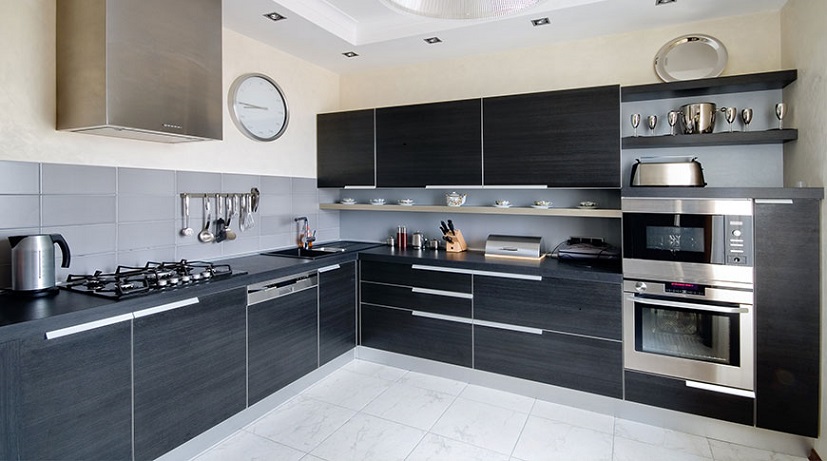
Granite and quartz are often compared because they occupy a similar price bracket and both are associated with high‑quality kitchens. The key difference is that granite is entirely natural, while quartz is an engineered composite. Quartz surfaces are non‑porous and do not usually require sealing, which makes them very low maintenance. Granite, by contrast, is porous to some degree and typically needs periodic sealing to maintain its resistance to staining.
However, many people prefer the organic variation and natural feel of granite. Engineered quartz can sometimes look too uniform for those who want more character in their kitchen. The decision often comes down to whether you prioritise absolute ease of maintenance or the unique beauty of natural stone. Talking through these trade‑offs with experienced Kitchen Worktops Installers Near Me can help you decide which material better suits your lifestyle and expectations.
Granite Compared with Porcelain and Dekton
In recent years, ultra‑compact surfaces such as porcelain and Dekton have entered the market, offering extremely high levels of heat, scratch and UV resistance. These materials are manufactured using advanced sintering technology and can be produced in very thin profiles, which is ideal for sleek, contemporary designs. They are also non‑porous and do not require sealing.
Granite offers a different set of strengths. While it may not match porcelain or Dekton in every technical metric, it provides a warmth and authenticity that many homeowners find more inviting. The choice is often about the overall look and feel you want to create. For example, if you are drawn to ultra‑modern, minimal kitchens, you might explore Porcelain Worktops or Dekton Worktops alongside granite to see which material aligns best with your design vision.
Granite vs Marble Worktops
Granite and marble are both natural stones, but they behave quite differently in the kitchen. Marble is renowned for its elegant veining and is often associated with classic, luxurious interiors. However, it is softer and more porous than granite, which makes it more vulnerable to scratching, staining and etching from acidic foods. Granite is generally harder and more forgiving, which is why it is often recommended for busy family kitchens where practicality is a priority.
That said, some homeowners are willing to accept the extra maintenance of marble in exchange for its distinctive look. If you are torn between the two, it can be helpful to view them side by side by exploring both Marble Worktops and granite options. Seeing full slabs rather than small samples will give you a much clearer sense of how each stone might look across a large run of cabinets or a central island.
Design Possibilities with Granite
Granite is available in a wide range of colours, from subtle greys and beiges to dramatic blacks, blues and greens with striking mineral patterns. This variety means it can work in almost any style of kitchen, from traditional shaker designs to modern handleless layouts. Polished finishes reflect light and create a luxurious feel, while honed or leathered textures offer a more understated, tactile look.
Because granite is quarried in large slabs, it is well suited to islands and long worktop runs. Skilled fabricators can position joints carefully to minimise their visibility and make the most of the stone’s natural patterning. When planning your layout, it is worth considering how the veining or speckling will flow across different sections of the kitchen so that the final result feels cohesive rather than random.
Planning Granite Worktop Supply and Installation
Granite is a heavy material, so careful planning is essential to ensure a smooth installation. Accurate templating is crucial to capture wall irregularities, appliance cut‑outs and any special features such as curved corners or breakfast bars. Access routes also need to be checked, particularly in older properties with narrow staircases or tight doorways.
Many homeowners prefer to work with companies that manage Kitchen Worktops supply, replacement and installation as a complete service. This approach reduces the risk of miscommunication between different trades and ensures that one specialist is responsible for the entire process, from measuring and fabrication to delivery and final checks. It also simplifies aftercare, as there is a single point of contact if any adjustments or questions arise later.
Maintenance and Care for Granite Worktops
Looking after granite worktops is relatively straightforward, provided you follow a few basic guidelines. Most suppliers recommend sealing the stone at installation and then re‑sealing periodically, depending on the type of granite and how heavily the kitchen is used. This helps to protect against staining and makes day‑to‑day cleaning easier.
For routine cleaning, a soft cloth and a mild, pH‑neutral cleaner are usually sufficient. Harsh chemicals and abrasive pads should be avoided, as they can dull the polish over time. It is also sensible to use chopping boards and trivets to protect both the worktop and your cookware. With these simple habits, granite can stay looking impressive for many years.
Working with Local Granite Specialists
Because granite is a natural material with its own quirks and variations, experience matters. Installers who regularly work with stone understand how to handle heavy slabs safely, how to position joints for both strength and appearance, and how to finish edges and cut‑outs to a high standard. Choosing a company with strong local knowledge also helps when it comes to access, parking and scheduling.
Homeowners in the capital often look for trusted Kitchen Worktops in London who can provide guidance from the initial design stage through to final installation. Being able to visit a showroom, view full slabs and discuss practical details face to face can make the decision‑making process much easier and more reassuring.
Is Granite the Right Choice for Your Kitchen?
Whether granite is the best option for your Kitchen Worktop depends on your priorities. If you value natural beauty, unique patterning and a sense of permanence, granite is hard to beat. It offers excellent durability, good heat resistance and a timeless look that works in both traditional and contemporary settings. However, if you prefer completely uniform colours or want the lowest possible maintenance, engineered materials such as quartz, porcelain or Dekton might suit you better.
The key is to compare real samples in your own lighting conditions and to discuss your needs with an experienced supplier who works with multiple materials. Many homeowners start their journey by exploring Porcelain Worktops, Dekton Worktops and other options alongside granite so they can make a well‑informed, confident decision.
Granite for Bathroom Renovation
Granite is a strong, reliable option for bathroom projects because it combines natural beauty with impressive durability. As a dense, hard stone, granite stands up well to everyday knocks, hot styling tools and constant humidity without warping or blistering. When it is properly sealed, the surface resists water, soaps, perfumes and cosmetics, making it far easier to keep clean than many softer stones. Granite slabs can be used for vanity tops, window sills and bath surrounds, bringing real depth of colour and unique mineral patterning to the room. For homeowners planning a full bathroom renovation, granite offers a long‑lasting, premium finish that feels solid under hand and adds a sense of permanence and value to the space.
Final Thoughts
Granite worktops remain a classic choice for good reason. They bring genuine natural stone into the heart of the home, combining strength, character and long‑term appeal. With thoughtful design, careful templating and professional installation, a granite worktop can become the centrepiece of your kitchen for many years to come. By comparing it honestly with quartz, porcelain, Dekton and marble, and by working closely with knowledgeable specialists, you can decide whether this timeless material is the right foundation for your next kitchen project.