

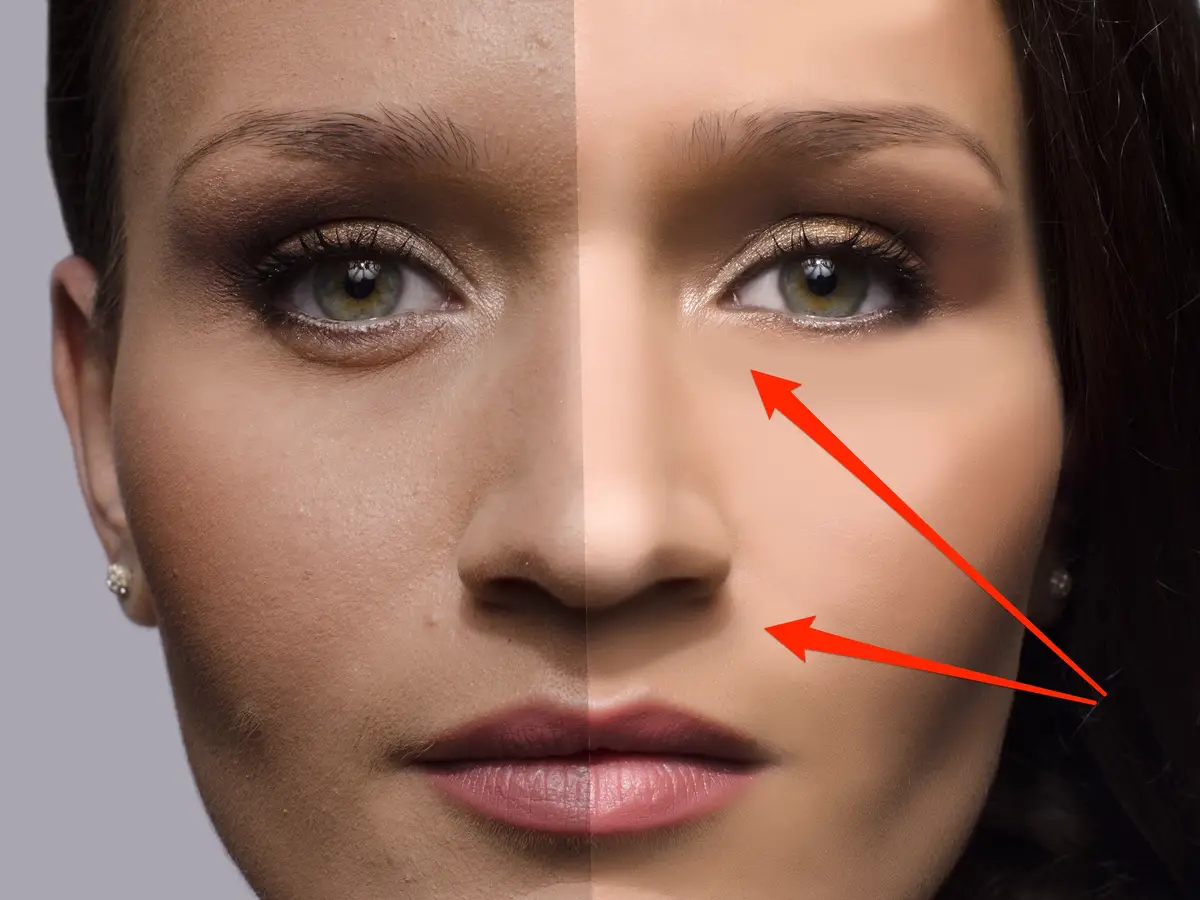
Scroll through any social media app, and one thing becomes obvious: the online world looks far more polished than reality. Skin appears flawless, eyes brighter, jawlines sharper, and bodies subtly perfected. Constant exposure to these idealized images can make such appearances feel normal, leaving those who don’t match up feeling like outliers.
According to gilmore health news, beauty filters are no longer just fun tools—they are actively shaping global perceptions of what is attractive, desirable, and socially rewarded. When technology shifts attractiveness standards at scale, it becomes a social force with real psychological and cultural consequences.
How Beauty Filters Affect the Mind
Unlike good lighting or flattering angles, modern beauty filters act as a “silent makeover,” subtly altering features most people cannot naturally achieve. Common adjustments include:
- Smoothing and whitening skin
- Enlarging eyes, narrowing noses, plumping lips
- Slimming faces and sharpening jawlines
- Adjusting body proportions
- Creating facial symmetry that is statistically uncommon
Repeated exposure to these enhanced images trains the brain to accept them as baseline reality. Two psychological effects often follow:
- Harsher comparison – Unfiltered selves feel inadequate when measured against these unrealistic standards.
- Reduced self-acceptance – Natural features begin to feel like flaws in comparison.
The Mechanism: Appearance Surveillance
Beauty filters encourage self-objectification, a mental pattern where people constantly evaluate themselves as objects to be judged. Research shows that photo editing correlates with lower self-esteem and self-perceived attractiveness, largely due to self-objectification and comparison behaviors.
People immersed in this pattern often:
- Critique their appearance from every angle
- Obsess over symmetry, pores, or perceived imperfections
- Wonder if they would be more liked if filtered
This constant internal monitoring is mentally exhausting, often leading to self-criticism, social anxiety, avoidance, perfectionism, and compulsive editing habits. Filters amplify insecurities rather than create them, making reality feel inadequate by comparison.
Society’s Unrealistic Standards
When everyone edits their images, social media feeds become distorted “crowd samples” of near-perfect appearances. Even knowing filters exist doesn’t stop emotional reactions:
- “Why does my skin look worse than everyone else’s?”
- “Why do I look older?”
- “Why is my face less symmetrical?”
This has broader social implications:
- The Upgrade Mindset – Endless exposure to idealized faces fosters the belief that someone “better” is always out there.
- Devaluation of Natural Variation – Normal features like asymmetry, aging, or weight fluctuation appear like flaws, reducing attraction to real compatibility and increasing visual competition.
Age-Specific Effects
- Teens and Young Adults: Vulnerable during identity formation, experiencing fragile self-esteem, fear of unfiltered exposure, and early perfectionistic habits.
- Adults: Experience dating and workplace pressures, as well as anxiety about how the “real” self compares to edited online images.
- Older Adults: Filters can exacerbate concerns about aging, reinforcing the belief that natural aging is undesirable.
Broader Societal Impacts
As filters normalize, society shifts its standards:
- New Baseline of Normal – Filtered appearances redefine attractiveness and influence judgment.
- Appearance as Social Currency – Online attention increasingly rewards aesthetic compliance, intensifying discrimination and reinforcing narrow ideals.
- Reduced Authenticity – Reliance on edited images fosters loneliness and diminishes genuine social connection.
If this trend continues, mental health challenges such as chronic anxiety, depression, eating disorders, and compulsive editing behaviors may escalate. Comparing the real self to the filtered self creates a feedback loop that reinforces dissatisfaction and lowers self-esteem.
Policy Considerations
Some governments and platforms have considered limiting “excessive” beautification effects, acknowledging that beauty filters carry significant social and psychological consequences. While enforcement varies, the discussion shows growing awareness that these tools are more than harmless fun.
Conclusion
According to Gilmore Health News, beauty filters are reshaping global beauty standards, affecting how people view themselves and others. From teens to older adults, filters amplify comparison, internalization, and dissatisfaction. Promoting awareness, digital literacy, and realistic beauty standards is crucial to counteract these effects.
Frequently Asked Questions (FAQs)
1. Are beauty filters just harmless fun? No. While they can be playful, research shows filters influence self-perception, encourage comparison, and can amplify dissatisfaction with natural appearance.
2. How do filters affect mental health? Filters increase self-objectification and internalization of unrealistic standards, raising risks of anxiety, depression, body dissatisfaction, and compulsive editing.
3. Do filters only impact teenagers? No. Teens are particularly vulnerable, but adults and older adults also face pressures related to dating, work visibility, and aging.
4. Can filters influence cosmetic surgery decisions? Yes. Studies suggest frequent filter use correlates with increased interest in cosmetic procedures, though causation is complex.
5. How does society change when filters become normal? Filters redefine “normal” appearance, increase visual competition, and reward aesthetic compliance, reducing authenticity in social interactions.
6. What can be done to mitigate negative effects? Awareness, digital literacy, limiting excessive filter use, and promoting self-acceptance are key strategies to protect mental health.
 admin
admin