Understanding Sprinkler Systems
Sprinkler systems play an essential role in maintaining healthy lawns and gardens, especially in places like San Antonio, TX, where the climate can present unique challenges to effective irrigation. These systems not only ensure proper water distribution but also help conserve water, making them a sustainable choice for homeowners. Understanding the various components and types of sprinkler systems available is crucial for effective maintenance and timely repairs.
1. Types of Sprinkler Systems in San Antonio
In San Antonio, the most common types of sprinkler systems include:
- In-ground Sprinkler Systems: These are permanently installed systems that are effective for large lawns and landscapes, providing uniform coverage.
- Above-ground Sprinkler Systems: These systems are portable and can be easily moved around for targeted watering, suitable for smaller areas or gardens.
- Drip Irrigation Systems: Ideal for gardens and flower beds, these systems deliver water directly to the plant roots, minimizing evaporation and runoff.
2. Components of a Sprinkler System
Understanding the key components of a sprinkler system is essential for effective maintenance and timely repairs. The primary parts include:
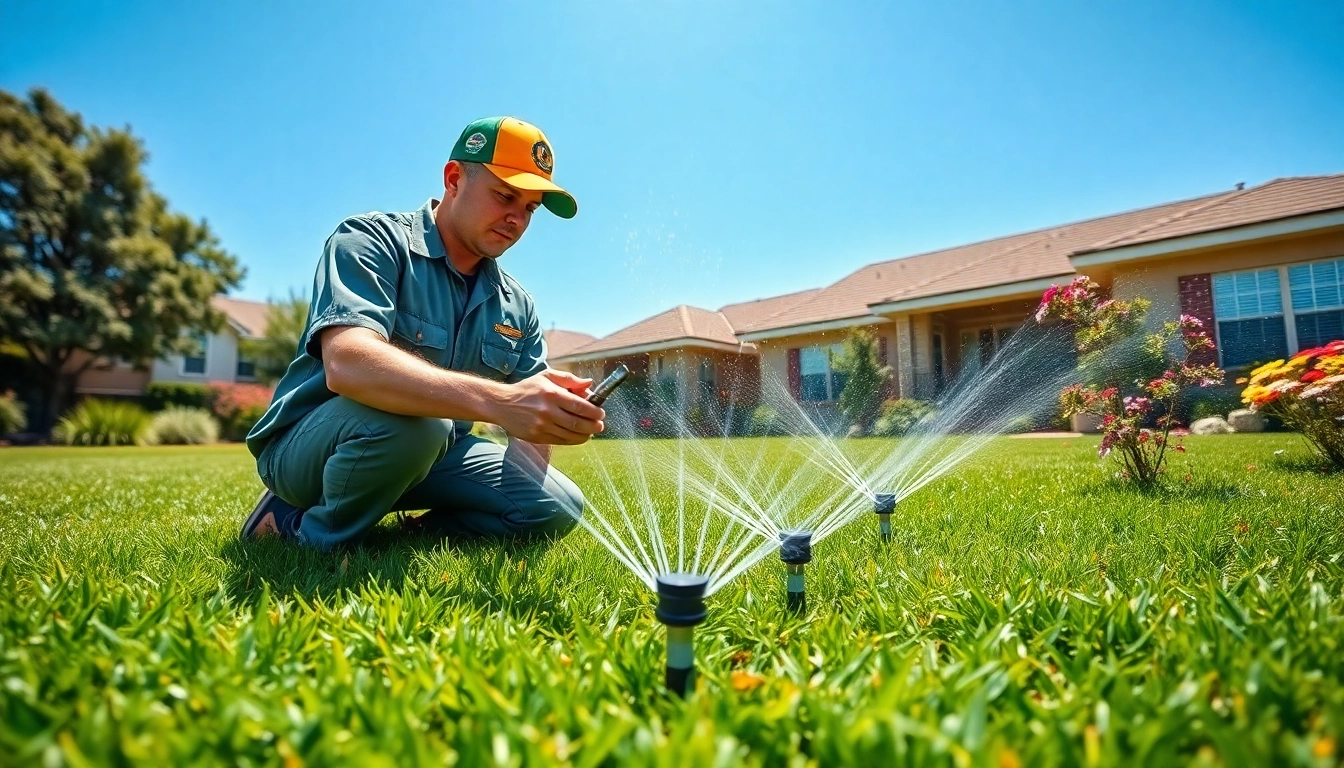
- Sprinkler Heads: The most visible component, these come in various types (e.g., stationary, rotating) that determine the dispersion pattern.
- Valves: Responsible for controlling the flow of water to different sections of the system.
- Pipes: These are responsible for transporting water from the main supply to the sprinkler heads.
- Controller: The brain of the system, allowing homeowners to set schedules and run times.
3. Common Issues Faced in Sprinkler Systems
Despite their efficiency, sprinkler systems can face various issues that hinder performance. Common problems include:
- Clogged Sprinkler Heads: Dirt and debris can block water flow, reducing effectiveness.
- Leaking Pipes: Broken pipes can lead to water waste and increased utility bills.
- Incorrect Pressure: Both high and low water pressure can adversely affect system function.
Why Choose Professional Sprinkler Repair In San Antonio, TX?
When experiencing issues with your sprinkler system, opting for professional sprinkler repair In San Antonio, TX can provide numerous benefits. Local experts understand the unique climate and soil conditions, enabling them to diagnose problems accurately and implement effective solutions.
1. Benefits of Hiring Local Experts
Employing local professionals ensures that you receive quality service tailored to the specific needs of San Antonio homeowners. They are familiar with local water regulations and can offer insights on efficient watering practices that align with environmental standards.
2. Comparing DIY vs. Professional Services
While some homeowners may consider DIY repairs, the complexities of sprinkler systems often require specialized knowledge. Professionals can diagnose issues quickly and prevent further damage that may result from improper repairs.
3. Importance of Skilled Maintenance
Regular maintenance conducted by professionals not only prolongs the life of your sprinkler system but also improves its efficiency. A well-maintained system can save homeowners money in the long run by reducing water waste and minimizing costly repairs.
How to Identify When Sprinkler Repair is Needed
Identifying the signs of sprinkler system failure early can save homeowners from significant repair costs. Understanding these indicators is crucial for effective management.
1. Signs of Sprinkler System Failure
Some key signs that indicate a need for repair include:
- Uneven Water Distribution: Dry patches in your lawn can indicate a malfunctioning system.
- Pooling Water: Excess water can suggest leaks or clogs within the system.
- High Water Bills: An unexpected increase in water costs may indicate inefficiencies or leaks.
2. Regular Maintenance Tips for Homeowners
Homeowners can keep their systems running smoothly by following these maintenance tips:
- Inspect sprinkler heads regularly for clogs and damage.
- Check for leaks in pipes and connections.
- Ensure that the controller settings are accurate and functioning.
3. Expert Insights on Seasonal Preparedness
Being proactive in system maintenance can prevent breakdowns during critical growing seasons. Experts recommend performing a thorough system check before the start of the watering season in early spring and a winterization process in late fall.
Key Strategies for Effective Sprinkler Repair
To address sprinkler system issues effectively, understanding the repair process is vital. Here are some key strategies to implement:
1. Diagnostic Techniques for Detecting Issues
Begin by visually inspecting the system for obvious signs of malfunction. Additionally, utilizing pressure gauges can help assess if the system has adequate water pressure.
2. Essential Tools for Sprinkler Repair
A few essential tools can make repair tasks more manageable, including:
- Sprinkler head adjustment tools for accurate alignment.
- Pipe wrenches for tightening connections and repairing leaks.
- Pressure gauges to diagnose system performance.
3. Step-by-Step Repair Process
Follow these steps for a systematic approach to sprinkler repair:
- Identify the problem area.
- Gather the necessary tools.
- Perform repairs or replacements as needed.
- Test the system to ensure proper function.
The Future of Sprinkler Repair In San Antonio, TX
As we move toward 2025, the field of irrigation technology is evolving rapidly. Homeowners should stay informed about emerging trends and innovations that can enhance their systems.
1. Trends and Innovations in Irrigation Technology
Smart sprinkler systems equipped with IoT (Internet of Things) technology allow for advanced control and monitoring, helping homeowners manage their watering efficiently.
2. Eco-Friendly Practices for Sprinkler Maintenance
Implementing efficient watering practices and using drought-tolerant plants can significantly decrease water usage. Homeowners should also consider using rain sensors that prevent watering during wet conditions.
3. Preparing for Water Efficiency Regulations in 2025
With upcoming regulations focusing on water conservation, it’s crucial for homeowners to adapt their systems. Consulting with local professionals can provide insights into compliance and best practices for sustainable landscaping.