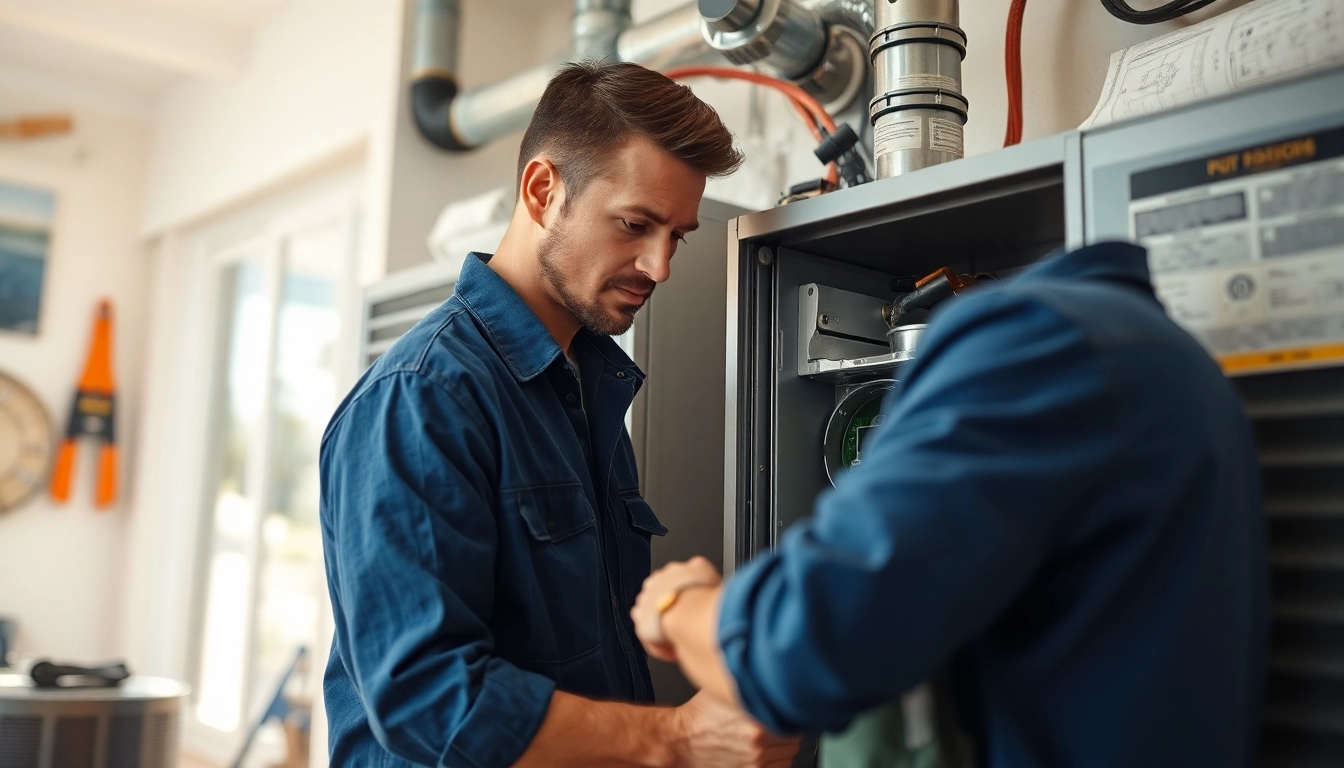
Understanding Heating and Cooling Services
Heating and cooling services are essential for maintaining a comfortable living environment in your home or office. These services ensure that the temperature inside your space is pleasant regardless of the weather outside. Whether it’s the chilly grip of winter or the sweltering heat of summer, a reliable HVAC (Heating, Ventilation, and Air Conditioning) system is critical. This article provides detailed insights into heating and cooling services, helping you understand their importance, the different types available, and how to choose the right options for your needs. You can explore more about reliable heating and cooling services for your home or business.
Importance of HVAC Systems
HVAC systems play a crucial role in providing a sustainable and comfortable indoor climate. Not only do they regulate temperature, but they also improve air quality by filtering out pollutants and allergens, which is particularly important for individuals suffering from respiratory issues.
Additionally, a properly functioning HVAC system can enhance energy efficiency, potentially reducing utility bills. According to the U.S. Department of Energy, heating and cooling account for about 50% of the energy consumption in an average American home, underscoring the importance of selecting an efficient system to optimize energy use and minimize costs.
Types of Heating and Cooling Solutions
When it comes to heating and cooling solutions, there are several options available to homeowners and businesses. Each type serves unique requirements and comes with its advantages:
- Furnaces: Commonly used for heating, furnaces can run on gas, oil, or electricity, efficiently warming spaces during colder months.
- Air Conditioners: These systems cool the air by transferring heat from inside to outside, creating a comfortable indoor environment during hot days.
- Heat Pumps: Heat pumps can both heat and cool, making them versatile choices suitable for varying climate conditions.
- Boilers: Using hot water or steam to heat a space, boilers are often used in larger buildings and homes.
- Mini-split Systems: These offer zoning capabilities and are advantageous for spaces that require different temperature levels.
- Smart HVAC Systems: As technology evolves, smart systems allow for remote monitoring and adjustments, improving energy efficiency and comfort.
Common HVAC Terminology Explained
Understanding common HVAC terminology can help you communicate your needs effectively when seeking services. Here are some key terms:
- BTU: British Thermal Units measure the amount of heat required to raise the temperature of a pound of water by one degree Fahrenheit.
- SEER: Seasonal Energy Efficiency Ratio denotes the efficiency of air conditioning systems.
- HVAC: Stands for Heating, Ventilation, and Air Conditioning; the umbrella term for systems that control indoor climate.
- AFUE: Annual Fuel Utilization Efficiency indicates how efficiently a furnace converts fuel to energy.
- Ductless Systems: These systems require no ductwork, making them ideal for older homes or specific areas.
Choosing the Right Heating and Cooling Services
Choosing the correct heating and cooling services requires careful consideration of various factors to ensure optimal performance, energy efficiency, and comfort. It’s vital to assess your home and specific needs before making a decision.
Assessing Your Home's Needs
Start by evaluating the size of your home or office. Larger spaces require more robust systems that deliver adequate heating and cooling power, known as BTU requirements. Additionally, consider insulation quality; better-insulated homes retain heat better, which may reduce the need for larger or more powerful systems.
Assess your specific climate conditions as well. Areas with extreme temperature variations may benefit from dual systems, such as heating and cooling or mini-split systems that provide temperature control in different zones. The level of humidity is another critical factor; some systems offer integrated dehumidifiers for added comfort.
Evaluating Cost vs. Value
The cost of heating and cooling systems can vary widely based on their type, size, brand, and efficiency rating. While it may be tempting to choose the cheapest option, understanding the value of investing in higher-quality systems is essential.
Consider the long-term energy savings and comfort levels associated with more efficient systems. Initially higher costs can translate to significant savings over time through reduced utility bills and fewer repairs. Tools like a total cost of ownership (TCO) analysis can help quantify the benefits over the system's life span.
Factors to Consider When Hiring
When hiring a heating and cooling service provider, consider several factors to ensure quality installation and service. Start with their credentials: check for licensing and certifications demonstrating compliance with local regulations.
Experience and customer reviews can also guide your decision. A company with an established reputation often provides more reliable service increases the likelihood of satisfactory work. Additionally, inquire about warranties and follow-up maintenance services — reliable providers often include ongoing support for their systems.
Maintenance and Care for Efficient Operation
Regular maintenance of your HVAC system is critical to ensure efficient operation and longevity. Developing a maintenance schedule and understanding potential issues can save on costly repairs in the long run.
Regular HVAC System Checks
Routine inspections can help identify and rectify minor issues before they escalate into major problems. Seasonal checks by a qualified technician can help ensure that elements like filters, ductwork, and thermostats function correctly. It's advisable to perform cooling system checks in the spring and heating systems in the fall.
Additionally, consider changing filters regularly (at least every three months) and cleaning coils as dirt buildup can impede performance, leading to higher energy costs.
Signs of Potential Issues
Early detection of issues can prevent extensive damages or breakdowns. Watch out for signs such as unusual noises, inconsistent temperatures across different rooms, or increased energy bills without changes in usage patterns. If the system has a burning smell or emits odd odors, immediate professional inspection is warranted to prevent fire hazards.
Best Practices for Energy Efficiency
To maintain energy efficiency, several best practices should be observed. Ensure proper insulation in your home to reduce heating and cooling demands. The use of programmable thermostats allows for more precise temperature control, reducing wastage when you’re not at home.
Sealing ducts and windows can also mitigate energy losses. Regularly updating to more efficient models will also ensure you benefit from the latest in energy-saving technologies.
Upgrades and Innovations in Heating and Cooling Services
The HVAC industry is evolving rapidly, with numerous innovations designed to enhance comfort, efficiency, and sustainability.
Smart Home Technologies
Smart HVAC technologies allow homeowners to control their heating and cooling systems through smartphones or home automation systems, facilitating remote adjustments and monitoring. These technologies often include advanced sensors and integration with weather forecasts to optimize operation.
For instance, learning thermostats can adjust based on household patterns, ensuring comfort and saving energy when no one is home.
Eco-Friendly Heating and Cooling Options
With the push towards sustainability, many innovative and eco-friendly options are now available. Geothermal systems, which use the earth's natural temperature to heat and cool spaces, provide a highly efficient alternative. Another option is solar heating systems, which harness the sun’s energy to assist with cooling and heating needs.
Energy-efficient models equipped with variable speed motors often consume less power and reduce greenhouse gas emissions, aligning performance with environmental responsibility.
Future Trends in HVAC Services
As technology continues to evolve, future trends in HVAC services will likely include even greater personalization of climate control, the use of artificial intelligence to fine-tune systems based on real-time data, and the proliferation of renewable energy sources. Increasing connectivity and responsive systems will make heating and cooling more efficient and user-friendly than ever.
FAQs About Heating and Cooling Services
What are the benefits of regular HVAC maintenance?
Regular HVAC maintenance helps increase system efficiency, prolong equipment life, and prevents unexpected breakdowns, ultimately saving on repair costs and energy bills.
How do I choose the right HVAC system for my home?
To choose the right HVAC system, assess your home's size, insulation, local climate, and budget while considering energy efficiency and maintenance costs.
What should I do if my HVAC system is not working?
If your HVAC system isn't working, check the thermostat settings, replace filters, and inspect circuit breakers. If the issue persists, call a qualified technician for evaluation.
How can I improve my home's energy efficiency?
Improving energy efficiency can be achieved by sealing leaks, adding insulation, upgrading to energy-efficient appliances, and regularly maintaining your HVAC system.
What are the signs that my HVAC system requires urgent repair?
Urgent signs include strange noises, no airflow, inconsistent temperatures, increased energy bills, or unusual odors coming from the system, which should be checked immediately.