Essential Destinations for Morocco Travel
Top Cities to Visit
Morocco, a land of rich tradition and stunning landscapes, is home to a diverse array of cities, each boasting unique architectural wonders, vibrant street life, and a rich tapestry of cultural heritage. Whether you're sipping mint tea in a bustling square or roaming through ancient medinas, the cities of Morocco offer an unforgettable travel experience. Here are some of the top cities you shouldn't miss during your morocco travel adventure:
- Casablanca: Known for its modern architecture intertwined with historic landmarks, Casablanca is home to the magnificent Hassan II Mosque, one of the largest mosques in the world. The city boasts a lively coastline and a bustling nightlife, making it a perfect blend of tradition and modernity.
- Fez: Renowned as the cultural and spiritual heart of Morocco, Fez is famous for its well-preserved medieval architecture and the world's oldest university, Al Quaraouiyine. The Fes el Bali medina is a UNESCO World Heritage site, where narrow streets teem with artisans, markets, and ancient mosques.
- Marrakech: A vibrant city that perfectly encapsulates the charm of Morocco, Marrakech is famous for its colorful souks, stunning palaces like the Bahia Palace, and the lively Djemaa el-Fnaa square, where street performers and local food stalls create a captivating atmosphere.
- Rabat: The capital city combines historical significance with modern elegance. The Hassan Tower and the Royal Palace showcase the city’s rich heritage, while its coastal views and green spaces offer a serene escape from the bustle of city life.
- Chefchaouen: Often referred to as the "Blue City," Chefchaouen is famous for its stunning blue-painted buildings and picturesque mountainous backdrop, attracting photographers and travelers looking for tranquility and beauty.
Hidden Gems Off the Beaten Path
While the major cities attract a significant number of visitors, Morocco harbors many hidden gems that showcase the country's diverse beauty and culture. Exploring these lesser-known locations can offer a more intimate experience of Moroccan life:
- Asilah: A charming coastal town, Asilah is known for its vibrant street art and relaxing beaches. With its annual cultural festival, the town comes alive with artists and musicians from around the world.
- Taroudant: Often referred to as “Little Marrakech,” Taroudant boasts impressive ramparts, local handicrafts, and a slower pace, providing an authentic Moroccan experience without the crowds.
- Merzouga: As the gateway to the Sahara Desert, Merzouga offers a unique desert experience. Travelers can explore the vast sand dunes of Erg Chebbi and experience Berber culture through camel treks and traditional music nights.
- Ouarzazate: Known as the "Gateway to the Sahara," Ouarzazate is famous for its stunning kasbahs and film studios where many big-screen productions have taken place. The nearby Ait Benhaddou is a UNESCO World Heritage site that shouldn’t be missed.
- Essaouira: This coastal city features a laid-back vibe, a historic medina, and breathtaking beaches. Known for its windsurfing, Essaouira also houses an abundance of seafood restaurants along the harbor.
Stunning Natural Landscapes
Morocco's natural beauty is as diverse as its cities. From the Sahara's vastness to the snow-capped Atlas Mountains, here are key landscapes that make Morocco a nature lover's paradise:
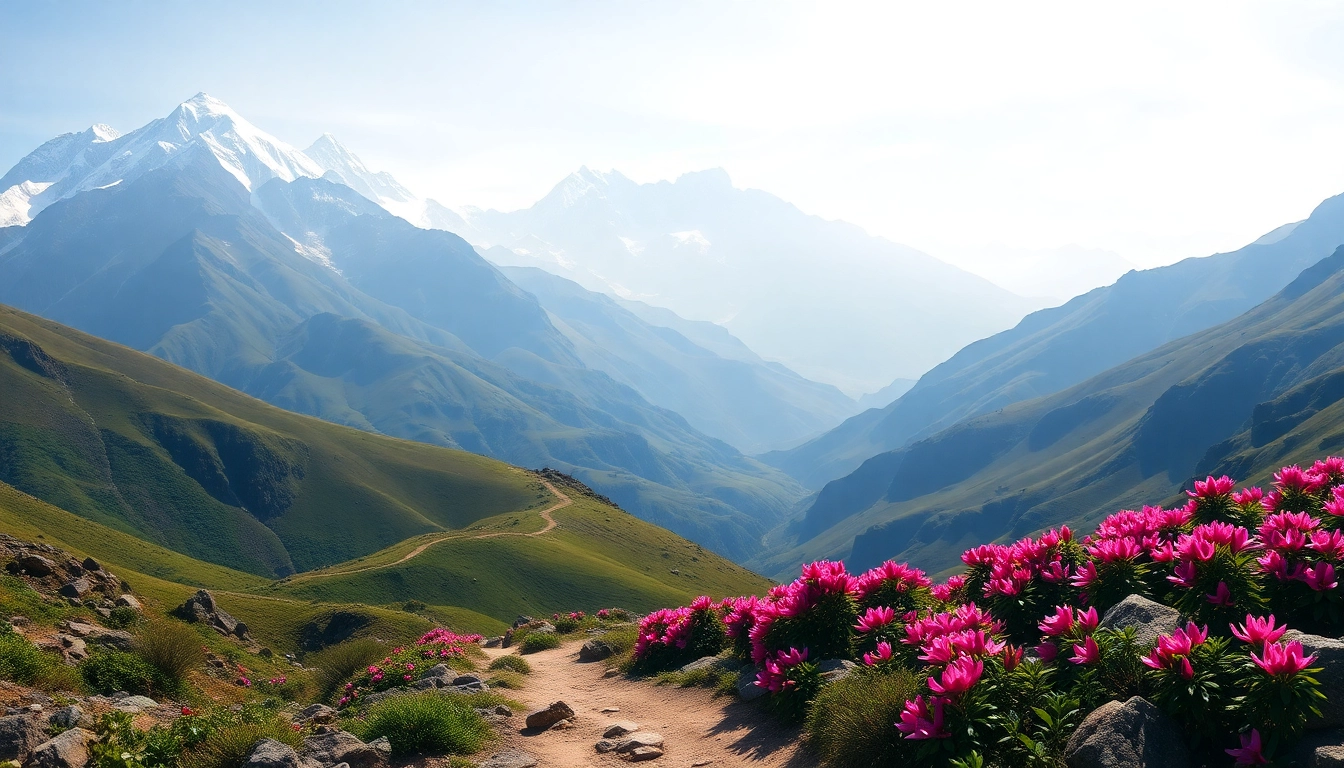
- Atlas Mountains: Offering stunning panoramas and an opportunity for adventure, the Atlas Mountains are perfect for trekking, climbing, and engaging with local Berber communities. The Toubkal National Park, with Mount Toubkal being the highest peak in North Africa, is a must-visit for outdoor enthusiasts.
- Merzouga Dunes: The golden dunes of Erg Chebbi provide an enchanting landscape for photography and serene experiences. Spending a night under the stars in a desert camp is a memorable highlight.
- Souss-Massa National Park: Located near Agadir, this park is known for its diverse wildlife, including endangered species like the northern bald ibis. Explore its varied ecosystems through guided walks and eco-tours.
- Ourika Valley: Just a short drive from Marrakech, Ourika Valley is famous for its scenic landscapes, waterfalls, and traditional Berber villages nestled in the mountains, providing idyllic hiking opportunities.
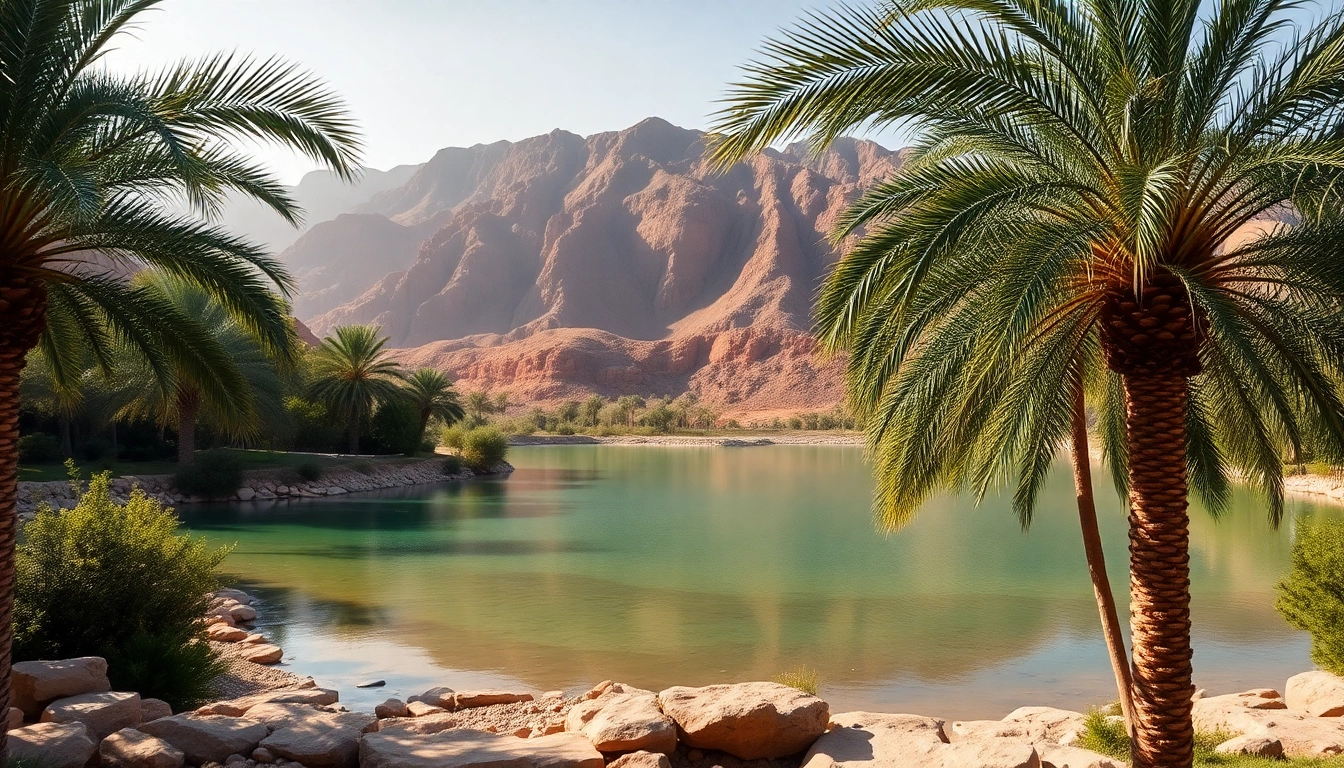
- Paradise Valley: A beautiful area near Agadir, it features swimming holes and lush palm groves. The stunning scenery and clear waters make it perfect for relaxation and day hikes.
Cultural Richness in Morocco Travel
Historic Sites and Their Stories
Morocco’s history is rich and varied, reflecting a tapestry of influences from Berber, Arab, and French cultures. Historic sites across the country intricately tell these stories:
- The Kasbah of Ait Benhaddou: This iconic mud brick fortress dating back to the 11th century is a UNESCO World Heritage site and has served as a backdrop for numerous films, symbolizing Morocco's historical trade routes.
- The Roman Ruins of Volubilis: Once the capital of Roman Morocco, Volubilis features well-preserved ruins including magnificent mosaics that depict scenes from daily life in Roman times. It offers a historical perspective of the region through guided tours.
- The Medina of Essaouira: Another UNESCO World Heritage site, Essaouira’s medina combines Portuguese, Berber, and French influences, showcasing its historical significance as a trading port.
- The Bahia Palace: Located in Marrakech, this 19th-century palace boasts intricate Islamic and Moroccan architectural details, set amidst beautiful gardens that reflect the country’s artisan skills.
- The Blue Mosque of Chefchaouen: A site where Moroccan and Andalusian styles meet, this mosque beautifully illustrates the religious and cultural diversity of the region.
The Vibrant Local Markets
One of the joys of traveling through Morocco is exploring its lively markets or souks, where the colors, sounds, and aromas create an unforgettable sensory experience:
- Souk Semmarine in Marrakech: As the main thoroughfare for shopping, the Souk Semmarine is filled with vibrant displays of textiles, leather goods, and spices, offering an authentic shopping experience.
- Fes el Bali Medinas: Fes is famous for its artisan workshops, producing intricate ceramics, leather goods, and traditional textiles. Strolling through the narrow alleys of its medina, you can catch artisans at work.
- Souk of Chefchaouen: This smaller yet lively market is known for its colorful handicrafts and unique blue-hued souvenirs, making it a photographer’s dream and perfect for finding one-of-a-kind treasures.
- The Spice Market in Marrakech: Offering a myriad of spices, herbs, and teas, this market allows you to delve into the flavors of Moroccan cuisine while learning about their culinary uses.
- Asilah’s Art Market: A seasonal market where local artists display their works, Asilah’s market provides an opportunity to purchase handmade crafts while supporting local talent.
Understanding Moroccan Cuisine
Moroccan cuisine is a rich blend of spices, flavors, and cultural influences that reflect the country's diverse heritage. Here are the keys to understanding and experiencing the delicious Moroccan culinary landscape:
- Couscous: Often considered the national dish, this semolina-based dish is usually served on Fridays with a variety of vegetables and meats, showcasing the communal nature of Moroccan meals.
- Tagine: Named after the earthenware pot it's cooked in, tagine is a slow-cooked stew that can feature meats, fish, vegetables, and a medley of spices, offering a unique burst of flavors.
- Pastilla: A savory pie traditionally made with pigeon or chicken, pastilla combines a delicious blend of sweet and savory flavors with layers of flaky pastry and sprinkled with powdered sugar and cinnamon.
- Mint Tea: The national beverage, mint tea is a symbol of hospitality in Morocco, prepared with green tea leaves, fresh mint, and plenty of sugar, traditionally enjoyed throughout the day.
- Street Food: While exploring Moroccan cities, sampling street food like grilled meats, fried pastries, and fresh juices provides an authentic taste of local flavors and culinary practices.
Planning Your Morocco Travel Itinerary
Best Time to Visit
Choosing the right time for your trip can greatly enhance your experience. Morocco's climate varies by region, but general guidelines to consider include:
- Spring (March to May): Spring is one of the best seasons to visit. The weather is pleasantly warm, making it ideal for outdoor activities and sightseeing.
- Fall (September to November): Similar to spring, fall offers mild temperatures and fewer tourists, allowing for a more relaxed travel experience.
- Summer (June to August): While coastal areas like Essaouira remain pleasant, inland cities like Marrakech can experience extreme heat. If you travel during this time, focus on the northern regions or mountain areas.
- Winter (December to February): While the climate can get chilly, especially in the mountains and the desert, winter also offers unique experiences such as the snowfall in the Atlas Mountains, making it perfect for skiing enthusiasts.
Travel Tips for First-Timers
To make the most out of your first adventure in Morocco, consider these practical travel tips:
- Dress Appropriately: Respect local customs by dressing modestly, particularly in rural areas and traditional cities. Lightweight, breathable fabrics are ideal for the variable climate.
- Learn Basic Arabic or French Phrases: While English is spoken in tourist areas, knowing simple phrases in Arabic or French can enhance interactions and showcase your respect for the culture.
- Use Local Currency: Familiarize yourself with Moroccan dirhams and carry cash for markets and small businesses, as they may not accept cards.
- Stay Hydrated: Keep hydrated, especially in warmer months, and make sure to drink bottled water to avoid any health issues.
- Negotiate Prices: Haggling is a part of the shopping experience in Morocco, so don’t shy away from negotiating prices in markets and souks.
Sustainable Travel Practices
As awareness of sustainable travel grows, it's essential to incorporate eco-friendly practices during your stay in Morocco:
- Choose Eco-Friendly Accommodations: Support hotels and guesthouses that implement sustainable practices, from using solar energy to promoting local community initiatives.
- Respect Local Cultures: Engage with local communities with respect. Be mindful not to disrupt their daily lives or take photos without permission.
- Minimize Plastic Usage: Carry a reusable water bottle to reduce plastic waste and shop for local goods with minimal packaging.
- Support Local Crafts: Purchase handmade goods directly from artisans to ensure your money benefits the local economy.
- Leave No Trace: Follow the principles of leaving no trace in natural areas to protect Morocco's stunning landscapes for future generations.
Activities to Enhance Your Morocco Travel Experience
Adventure Sports and Outdoor Activities
For adventure enthusiasts, Morocco presents a wealth of activities ranging from high-energy sports to serene explorations, ensuring there is something for everyone:
- Trekking in the Atlas Mountains: Join guided treks through the Atlas Mountains, where you can enjoy stunning landscapes and experience Berber culture.
- Sandboarding in the Sahara: Experience the thrill of sandboarding on the towering dunes of the Sahara, a unique and exciting adventure for adrenaline seekers.
- Surfing in Taghazout: Known for its excellent surf spots, Taghazout attracts surfers from around the globe. Whether you’re a beginner or an expert, the waves here cater to all.
- Cycling Adventures: Explore Morocco on two wheels with guided cycling tours that take you through picturesque landscapes, traditional villages, and bustling markets.
- Rock Climbing in Todra Gorge: This stunning gorge is a paradise for rock climbers, featuring a variety of routes for all skill levels amid spectacular scenery.
Art and Craft Workshops
Engaging in art and craft workshops offers a hands-on approach to connect with Moroccan culture:
- Pottery Classes in Fes: Learn the art of pottery-making from local artisans, creating your unique pieces while immersing yourself in the local crafts.
- Cooking Classes: Participate in cooking classes to master Moroccan dishes like tagine and couscous, using fresh, local ingredients.
- Crafting Berber Jewelry: Discover traditional jewelry-making techniques and craft your unique pieces with mentorship from local artists.
- Photography Tours: Join guided photography workshops focusing on capturing the stunning landscapes and vibrant colors of Moroccan life.
- Calligraphy Workshops: Learn about the art of Arabic calligraphy and create your intricate artworks in an immersive setting.
Guided Tours vs. Self-Exploration
When traveling through Morocco, you’ll need to decide whether to join guided tours or explore independently. Both options have their advantages:
- Guided Tours: These can provide a wealth of knowledge about historical sites and cultural practices, often including transportation and itinerary planning, allowing for a worry-free experience.
- Self-Exploration: Traveling independently allows for flexibility and spontaneous discoveries, enabling travelers to connect with locals and experience life in Morocco at their own pace.
- Hybrid Approach: Many travelers find success with a combination of both—joining guided tours for specific regions while exploring urban areas or rural locales on their own.
Travel Logistics for Morocco Travel
Visa and Entry Requirements
Before embarking on your Moroccan adventure, it's crucial to understand the entry requirements. Many nationalities can enter Morocco without a visa for short stays; however, it's advisable to check the latest visa regulations to ensure a smooth entry.
Transportation Options Within Morocco
Getting around Morocco can be an adventure in itself, with various transportation options available:
- Trains: The ONCF operates a reliable train service connecting major cities like Casablanca, Marrakech, and Fes. Trains are comfortable and offer scenic routes across the country.
- Buses: Buses are a common means of transport between cities, with services ranging from economical to high-quality, comfortable coaches.
- Private Transfers: For a more tailored experience, consider hiring a private driver who can customize your itinerary and facilitate better access to remote areas.
- Taxis: In cities, taxis provide a convenient means of getting around. Ensure to agree on a fare beforehand or use the meter for a hassle-free ride.
- Bicycles & Motorbikes: In some areas, renting a bike or scooter is a fun way to explore at your own pace, particularly in coastal towns or minor cities.
Accommodation Choices
Morocco offers a diverse range of accommodation options, catering to different preferences and budgets:
- Riads: Traditional Moroccan houses with interior gardens or courtyards, riads offer a unique stay experience, typically with opulent decor, local cuisine, and hospitality.
- Hotels: Major cities have an extensive range of hotels, from luxury to budget-friendly options, ensuring comfortable and convenient stays.
- Guesthouses: For a more personal experience, guesthouses, often family-run, offer travelers the chance to experience Moroccan hospitality firsthand.
- Desert Camps: When venturing into the Sahara, consider spending a night in a desert camp, complete with tents and local meals, for an authentic experience.
- Eco-Lodges: For environmentally conscious travelers, various eco-lodges utilize sustainable practices and provide amazing opportunities to experience nature while enjoying comfort.