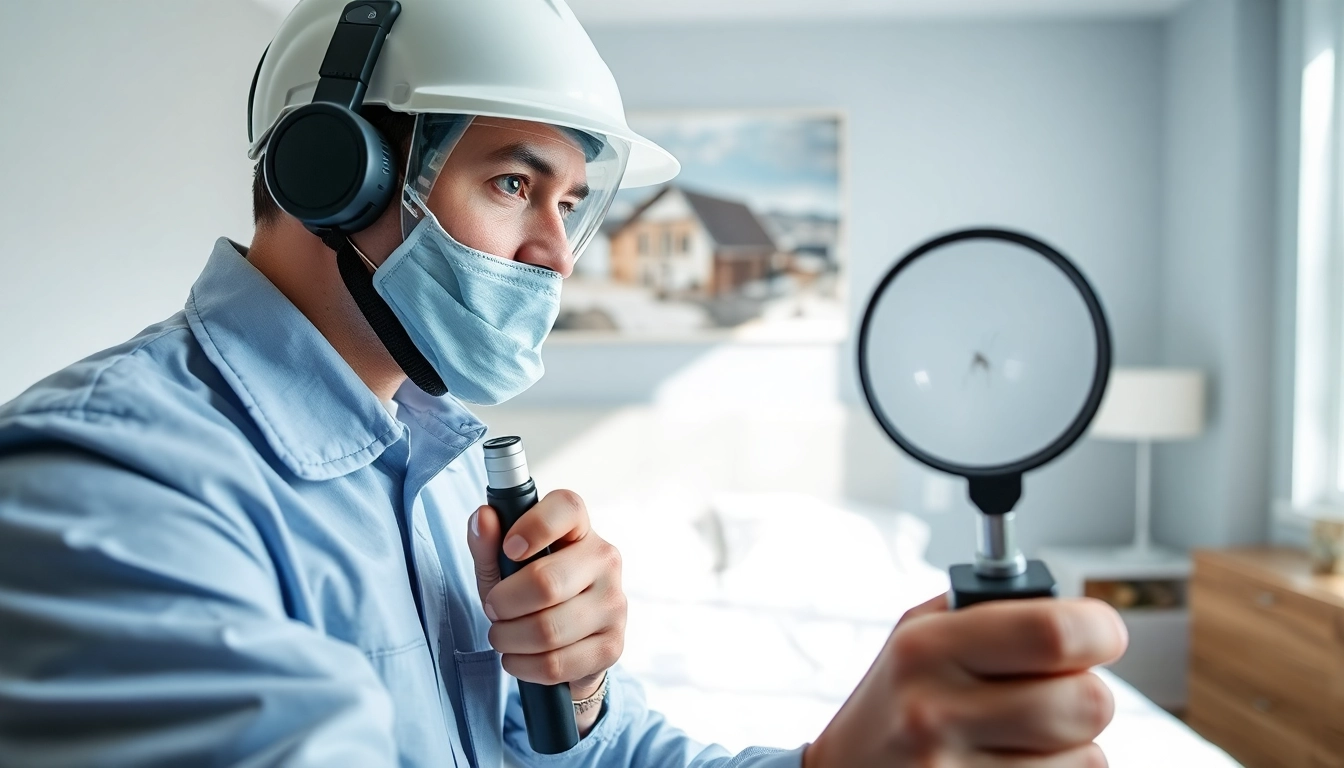
Understanding Bed Bugs and Their Behavior
What Are Bed Bugs?
Bed bugs are small, wingless insects belonging to the Cimex genus. They primarily feed on human blood, making them a nuisance in homes, hotels, and other living environments. Adult bed bugs typically measure about 1/4 inch in length, resembling a small apple seed, and are reddish-brown in color. They are nocturnal, meaning they are most active at night, which can make them especially problematic for individuals trying to sleep in infested areas.
Common Signs of Infestation
Identifying a bed bug infestation early is crucial for effective bed bug removal. Look for the following signs:
- Live bed bugs or their exoskeletons.
- Dark spots of dried excrement on bedding or furniture.
- Rusty stains on sheets from crushed bugs.
- Bed bug bites, usually in a line or cluster on exposed skin.
Life Cycle of Bed Bugs
Bed bugs undergo a unique life cycle that includes seven stages: one egg stage and six nymph stages before reaching adulthood. Under ideal conditions, a female can lay 200 to 500 eggs, which typically hatch within one to two weeks. Understanding this cycle is key for elimination strategies, as treatments must effectively target all life stages to ensure a bed bug-free environment.
Importance of Early Detection in Bed Bug Removal
Identifying Infestation Early
Detecting bed bugs early can save homeowners significant time and money. Early signs of infestation can often be overlooked, leading to larger populations and a more complex removal process. Routine inspections of vulnerable areas such as mattresses, bed frames, and baseboards can help in catching infestations before they escalate.
Risks of Delaying Treatment
Delaying treatment can lead to a more extensive infestation, making removal more challenging and costly. As bed bugs multiply rapidly, a small problem can quickly become unmanageable. Early intervention can minimize financial expenses and mental stress associated with living surrounded by these pests.
Tools for Effective Monitoring
Various tools are available for monitoring bed bugs, including bed bug interceptors, which are placed under bed posts to capture bugs as they attempt to climb up. Regular use of these tools, combined with vigilant inspections, can facilitate early detection and aid in the overall management of bed bug populations.
Professional Methods for Bed Bug Removal
Heat Treatment: A Proven Solution
Heat treatment is one of the most effective methods for eliminating bed bugs. This technique involves raising the temperature in the affected area to around 120-135°F (49-57°C) for several hours. At these temperatures, bed bugs and their eggs die quickly. Professional exterminators often employ specialized equipment to ensure that all areas, even hidden spots, reach the required temperature.
Chemical Treatments and Their Effectiveness
Chemical treatments remain a popular option for bed bug control. Various insecticides can be applied directly to infested areas; however, their effectiveness can vary greatly based on the product used and the level of infestation. It’s crucial to follow application guidelines to ensure safety and efficacy in eradication efforts.
Integrated Pest Management Strategies
Integrated Pest Management (IPM) combines various techniques for more effective treatment. This approach includes regular inspections, monitoring, and using a combination of heat and chemical treatments followed by preventive measures. IPM minimizes pesticide use and focuses on long-term solutions for bed bug control.
DIY Approaches to Bed Bug Removal
Home Remedies That Work
While professional help is often necessary for significant infestations, several home remedies can assist in initial control. Washing bedding and clothing in hot water can kill bed bugs on fabrics. Additionally, vacuuming thoroughly and applying diatomaceous earth may help reduce their numbers. However, these methods should supplement, not replace, professional pest control.
Essential Cleaning Tips
Effective cleaning plays a pivotal role in controlling bed bugs. Frequent vacuuming of carpets, upholstery, and other surfaces helps reduce the population. Ensuring that items such as bedding and clothes are regularly cleaned at high temperatures also greatly minimizes infestation chances. Sealing cracks and crevices in furniture and walls will aid in eliminating potential hiding places.
Limitations of DIY Methods
While DIY methods can be helpful for minor infestations, they often fall short with larger problems. Bed bugs hide in out-of-reach areas, making complete eradication challenging without professional interventions. Moreover, over-reliance on DIY methods could lead to a false sense of security and potential regrowth of the population.
Preventive Measures to Avoid Future Infestations
Best Practices for Homeowners
Homeowners can take various proactive measures to minimize the risk of bed bug infestations. Regularly inspecting areas such as hotel rooms while traveling and keeping luggage off the floor can help. Additionally, encasing mattresses and box springs in protective covers can thwart bed bugs from establishing nests.
Traveling Safely to Prevent Bed Bugs
Travel-related infestations are common. Visitors should inspect their hotel rooms for signs of bed bugs before unpacking. After traveling, it’s wise to wash clothes in hot water and inspect luggage thoroughly before bringing it into the house. These precautions can significantly reduce the risk of introducing bed bugs into your home.
Regular Maintenance and Inspection Plans
Implementing a routine maintenance schedule for inspections can help early detection. Monthly checks around beds, carpets, and furniture can assist in finding possible infestations before they become established. This proactive approach ultimately saves time, money, and stress associated with a larger infestation.
Frequently Asked Questions
How long does a bed bug infestation take to treat?
The duration of treatment largely depends on the severity of the infestation. Mild cases may take a few weeks to resolve, while severe infestations can require multiple treatments over several months.
Can I get rid of bed bugs on my own?
While minor infestations may be managed with home remedies, significant infestations usually require professional extermination methods for complete eradication.
Are bed bugs dangerous to my health?
Bed bugs are not known to transmit diseases; however, their bites can cause allergic reactions, insomnia, and anxiety due to sleep disturbances.
How can I prevent bed bugs from coming back?
Regular cleaning, inspecting travel lodgings, and using mattress encasements are effective preventive measures to deter bed bugs from returning.
What do I do if I find bed bugs?
If you suspect an infestation, act quickly by inspecting your surroundings, cleaning affected areas, and contacting a pest control professional for effective removal solutions.