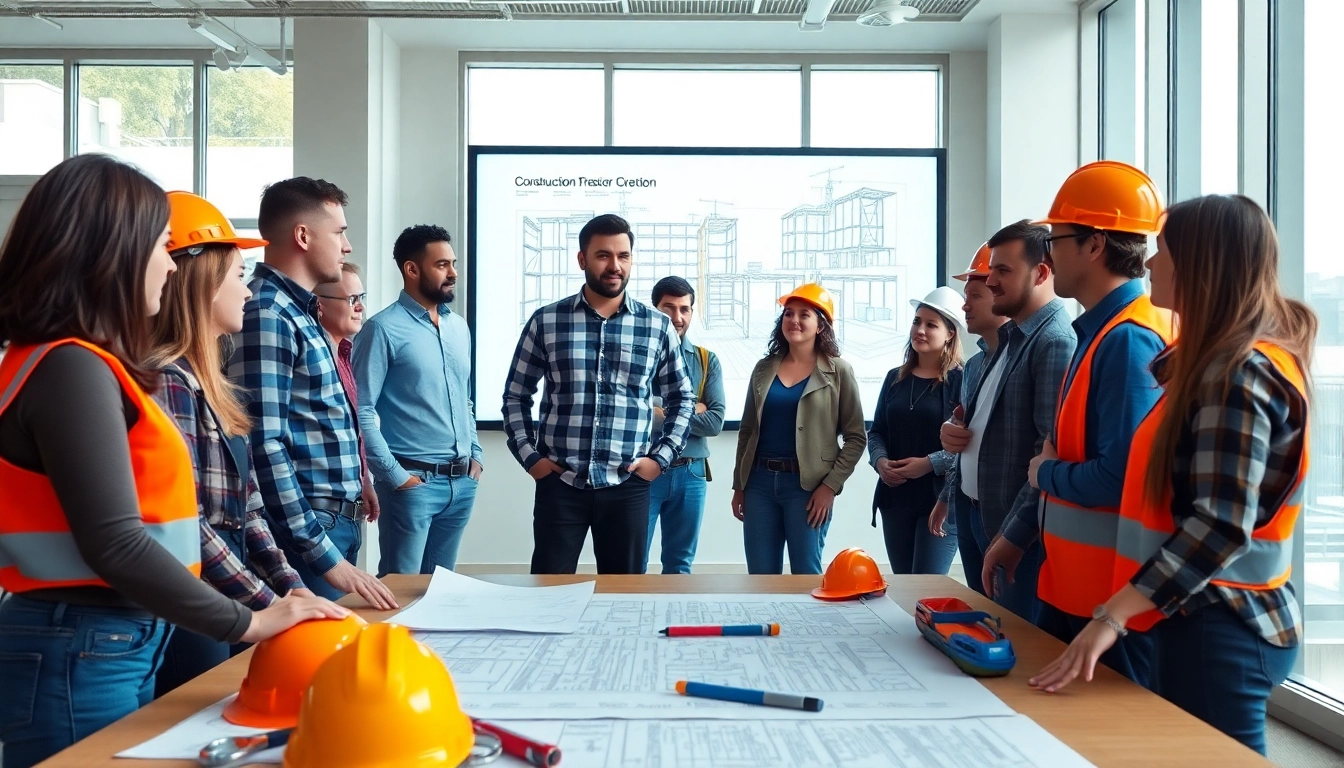
Understanding the Importance of Construction Safety Training
Construction is one of the most inherently hazardous industries today, necessitating rigorous construction safety training to mitigate risks. When on-site hazards and the potential for accidents are taken into account, it becomes clear why training programs are essential not just for compliance, but for the overall health and productivity of the workforce.
Why Safety Training is Crucial
Construction safety training serves as a foundational component for any construction project. It empowers employees with the necessary skills and knowledge to identify and avoid potential hazards. By elucidating the dangers associated with their tasks, workers are not only kept safer but are more confident in executing their roles effectively.
Legal Requirements for Construction Safety
The legal landscape governing workplace safety can be overwhelming, yet it is critical to understand. Various laws mandate that employers provide adequate safety training, particularly for high-risk environments. Regulatory bodies outline specific requirements for safety programs, and non-compliance can lead to legal ramifications, financial penalties, and damage to company reputation.
Impact on Workforce and Productivity
Inadequate safety measures directly correlate with increased injury rates and subsequent loss of work hours, impacting overall productivity. Investing in a well-structured training program can lead to a tangible decrease in workplace accidents and an uptick in employee morale and retention. A safe work environment fosters a level of trust and commitment among employees, ultimately enhancing productivity.
Core Components of a Construction Safety Training Program
Identifying Training Needs
Determining the specific needs for safety training within a construction company involves a thorough understanding of existing workplace risks. Conducting a hazard assessment aids in tailoring the curriculum to address current dangers and employees' exposure levels. Stakeholders should also consider various factors, including employee experience, job roles, and specific equipment used.
Designing Effective Training Content
Effective training content must be comprehensive yet concise, incorporating real-life scenarios that employees may face. Learners benefit from content that resonates with their day-to-day operations, integrating examples that illustrate both safe practices and the consequences of neglecting safety measures. Including a mix of theoretical knowledge and practical applications keeps engagement high.
Methods of Delivery
The way training is delivered can significantly impact its effectiveness. Options range from traditional classroom settings to hands-on workshops and digital learning platforms. Blended learning approaches, which combine various methods, often prove most effective, as they cater to diverse learning styles and increase knowledge retention.
Strategies for Implementing Construction Safety Training
Schedule and Frequency of Training
Establishing a training schedule that accommodates regular sessions is critical to maintaining a safety-first culture. Ideally, safety training should take place prior to the start of any new project and continue through the lifecycle of a project to address emerging risks and reinforce safe practices. Frequent refresher courses help keep safety at the forefront of employees’ minds.
Engaging Participants Through Interactive Techniques
Engagement enhances retention, making it vital to incorporate interactive techniques such as group discussions, simulations, and hands-on exercises. Role-playing scenarios allow employees to practice their responses to emergency situations in a controlled environment. Such interactive methods not only foster active participation but also turn training into an enjoyable experience.
Measuring Training Effectiveness
To assess the effectiveness of safety training, organizations should utilize a combination of quantitative and qualitative metrics. Surveys, feedback forms, and statistics on workplace accidents post-training provide insights into the program’s efficacy. Continuous evaluation allows companies to amend and refine their training programs to ensure they meet evolving safety standards and participant needs.
Adapting Training for Diverse Educational Backgrounds
Tailoring Content for Different Roles
In a construction team, employees come from varied educational backgrounds and roles. Training needs to be adapted to account for this diversity to ensure effectively conveyed lessons. Specific modules can be developed for different roles—like management versus laborers—to address the unique responsibilities and exposures each role entails.
Incorporating Real-World Scenarios
Utilizing case studies and real-world examples in training sessions enhances relatability and application of learned skills. Workers should understand that their actions directly influence workplace safety by examining incidents that occurred on similar sites. Practically applying lessons learned from these scenarios can prevent future accidents.
Utilizing Visual Aids and Technology
Visual aids such as charts, infographics, and videos can significantly enhance comprehension. Technology in the form of augmented reality (AR) training programs can simulate real-life construction environments, allowing workers to practice safety measures without actual risk. Utilizing these tools ensures that all learning styles are catered for and enhances overall effectiveness.
Future Trends in Construction Safety Training
Emerging Technologies and Their Impact
Emerging technologies like virtual reality (VR) and e-learning platforms are shaping the future of safety training in construction. These technologies enable immersive learning experiences where employees can safely engage with hazardous scenarios before facing them in real life. Furthermore, AI-driven analytics can personalize training experiences, targeting specific skill gaps among workers.
The Role of Continuous Improvement
Continuous improvement is essential in any construction safety program. Adopting a proactive approach by regularly reviewing safety practices, employee feedback, and industry developments allows organizations to evolve their training programs. Adaptability ensures that safety training remains current and effective in addressing the changing landscape of construction hazards.
Developing a Safety Culture in Construction
A genuinely safety-oriented culture transcends training programs and becomes a core value of an organization. Encouraging open communication about safety, involving employees in the development of safety practices, and recognizing safe behaviors positively reinforces the importance of safety. When safety becomes ingrained in the organizational ethos, compliance transforms into commitment.
Frequently Asked Questions
What is construction safety training?
Construction safety training provides the knowledge and skills workers need to identify and mitigate risks on-site, aiming to create a safer working environment.
Who needs construction safety training?
All construction workers, including managers and subcontractors, should undergo safety training to ensure everyone understands workplace hazards and safety protocols.
How often should safety training occur?
Safety training should be regularly scheduled, ideally before starting new projects and supplemented with refresher courses to maintain awareness of safety standards.
What are the benefits of effective safety training?
Effective safety training reduces workplace accidents, increases productivity, and promotes a culture of safety, ultimately benefiting both employees and employers.
What role does technology play in safety training?
Technology enhances safety training through immersive experiences like VR simulations, which allow workers to practice safety measures in realistic environments without risk.