Understanding Common Toilet Issues
Toilets are an essential fixture in any home, and they can experience various issues over time. Understanding these problems enables homeowners to act quickly, ensuring comfort and hygiene. Identifying common toilet issues early can help you avoid costly repairs and time-consuming replacements. For more comprehensive guidance on toilet repair, it’s useful to familiarize yourself with the signs and causes of toilet malfunctions.
Recognizing Signs of a Problem
Being attuned to your toilet’s performance is the first step in effective maintenance. Common signs indicating a problem include:
- Running Water: If you hear water continuously running inside the tank, it may indicate a faulty flapper or fill valve.
- Frequent Clogging: Clogs happening regularly can point to blockages that need immediate attention.
- Water Pooling: If water collects around the base or under the toilet, it suggests a leak that must be repaired promptly to avoid floor damage.
- Weak Flush: A toilet that doesn't flush completely may have a clog in the trap or require a more thorough cleaning.
Why Toilets Fail: Common Causes
Understanding the root causes of toilet issues helps homeowners prevent further problems. Common causes include:
- Aging Parts: Over time, components within the toilet tank wear out, leading to inefficiencies in performance.
- Mineral Buildup: Hard water can create mineral deposits that obstruct mechanisms within the toilet.
- Installation Issues: Improper installation can quickly lead to malfunctions and leaks, sometimes as soon as the first use.
- Clogs: Object obstructions or excessive toilet paper can create significant blockages, preventing proper flushing.
The Importance of Timely Toilet Repair
Addressing issues quickly is vital in maintaining your toilet's functionality. Delays in repair can lead to:
- Increased Water Bills: Leaks and running toilets waste significant amounts of water, reflected in higher bills.
- Structural Damage: Water leaks can damage flooring, affecting structural integrity and requiring expensive repairs.
- Health Risks: A malfunctioning toilet can lead to unsanitary conditions, posing health risks to your household.
Essential Tools for Successful Toilet Repair
To tackle toilet repairs effectively, having the right tools at your disposal is crucial. This not only speeds up the repair process but ensures the work is done correctly.
Basic Tools Every Homeowner Needs
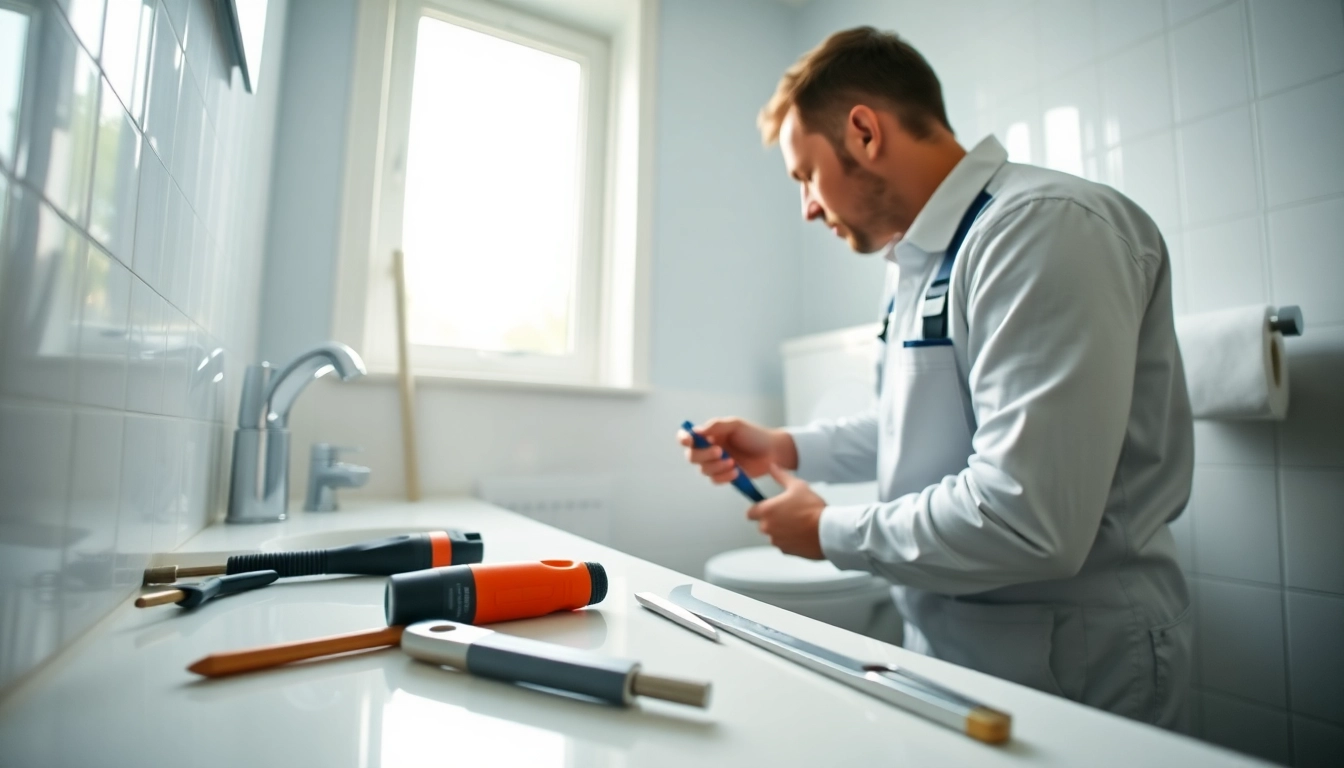
A DIY enthusiast should possess the following basic tools for standard toilet repairs:
- Adjustable Wrench: Essential for loosening or tightening nuts and bolts.
- Plunger: A must for clearing blockages in toilets.
- Screwdriver Set: Both flathead and Phillips screwdrivers will be needed for various tasks.
- Towels or Rags: Useful for cleaning up spills and leaks during repairs.
Advanced Tools for More Complex Repairs
For more intricate repairs, consider investing in specialized tools:
- Toilet Auger: A long, flexible tool designed to clear deep blockages that a plunger cannot reach.
- Pipe Wrench: For gripping and turning plumbing pipes and fittings.
- Level: To ensure the toilet is perfectly installed and aligned.
How to Use Each Tool Effectively
Knowing how to use your tools correctly is just as important as having them:
- Adjustable Wrench: Use it to grip the nut firmly while turning to avoid slipping.
- Plunger: Ensure there is enough water in the bowl for effective suction; plunge vigorously for best results.
- Screwdriver: Choose the right screwdriver for the screw type to avoid stripping.
Step-by-Step Guide to DIY Toilet Repair
When experiencing toilet issues, many homeowners choose to fix them themselves. Below, we outline straightforward solutions for common toilet problems.
Fixing a Running Toilet
A running toilet can be easily remedied by following these steps:
- Remove the tank lid and observe the flapper. If it's not sealing properly, it may need to be cleaned or replaced.
- Adjust the float arm if the water level is too high, causing water to spill into the overflow tube.
- Check for leaks at the fill valve; replacing a defective valve can resolve continuous running.
How to Repair a Leaky Toilet
To address a leaky toilet, perform the following steps:
- Locate the source of the leak. Common areas include the tank-to-bowl gasket or the inlet valve.
- Turn off the water supply and drain the tank.
- Replace worn gaskets or seals and ensure all connections are snug.
Replacing a Toilet Flush Valve
Replacing a flush valve can improve toilet efficiency. Follow these steps:
- Turn off the water supply and drain the tank.
- Detach the old flush valve by unscrewing it from the bottom of the tank.
- Install the new flush valve, securing it tightly and ensuring a proper seal.
- Reconnect the water supply and check for leaks.
When to Call a Professional
While many toilet repairs can be managed by homeowners, some situations necessitate the expertise of a professional plumber.
Identifying Complex Repair Needs
Understanding when to call in a professional can save time and prevent further damage:
- Major Plumbing Issues: If you suspect issues beyond just the toilet, such as sewer line problems, professional help is essential.
- Extensive Repairs: Replacing entire toilet systems or dealing with intricate plumbing might require specialized skills.
- Persistent Problems: If repairs are frequently needed, it could indicate deeper systemic issues that need expert evaluation.
Understanding Cost vs. DIY Solutions
Evaluating whether to repair a toilet yourself or hire a professional involves considering:
- Current Skill Level: If you're inexperienced, the cost of mistakes can outweigh a professional’s fee.
- Time Commitment: DIY repairs might take longer than expected, which could disrupt daily life.
- Long-Term Results: Professionals guarantee quality repairs, likely saving you money long-term.
The Benefits of Professional Toilet Repair
Having a professional handle your toilet repair offers several benefits:
- Expertise: Technicians can quickly diagnose issues and address them effectively.
- Time-Saving: Professionals can complete repairs more quickly, minimizing disruption.
- Guarantee of Work: Most repairs come with service guarantees, ensuring peace of mind regarding the job quality.
Preventative Maintenance Tips for Your Toilet
Routine maintenance can help prolong the life of your toilet and prevent significant issues. Here are some helpful tips:
Regular Checks for Optimal Performance
Perform frequent checks to identify potential problems:
- Monitor water levels and flush efficiency regularly.
- Inspect for leaks around the base and tank.
- Ensure the fill valve and float ball are functioning correctly.
How to Extend the Life of Your Toilet
Simple measures can greatly extend toilet lifespan:
- Avoid flushing non-biodegradable items which can cause clogs.
- Regularly clean the toilet with gentle cleaners to prevent mineral buildup.
- Consider replacing components like flappers and valves every few years to prevent age-related failures.
Best Practices for Toilet Care
Toilets are often overlooked but require care just like any other fixture in your home:
- Schedule periodic professional inspections if you notice any strange behavior.
- Use a toilet brush routinely to maintain cleanliness.
- Avoid overusing toilet bowl cleaning tablets, which can affect internal components.
FAQs about Toilet Repair
What should I do if my toilet keeps clogging?
If your toilet frequently clogs, try using a plunger regularly, or consider assessing your plumbing for deeper issues like tree root intrusions.
How can I tell if my toilet is leaking?
Check for visible water around the base, listen for continuous running water, and perform a dye test by adding food coloring to the tank and observing if it seeps into the bowl.
Is it worth the cost to hire a plumber?
Hiring a plumber can be worth the investment for complicated repairs, particularly those requiring extensive experience or tools that you may not possess.
How often should I replace the flapper in my toilet?
It's advisable to replace the flapper every 3-5 years as part of routine maintenance to prevent leaks and inefficiencies.
How can I clean hard water stains in my toilet?
Use a mixture of vinegar and baking soda, let it sit for a few hours, then scrub with a toilet brush to remove mineral buildup effectively.