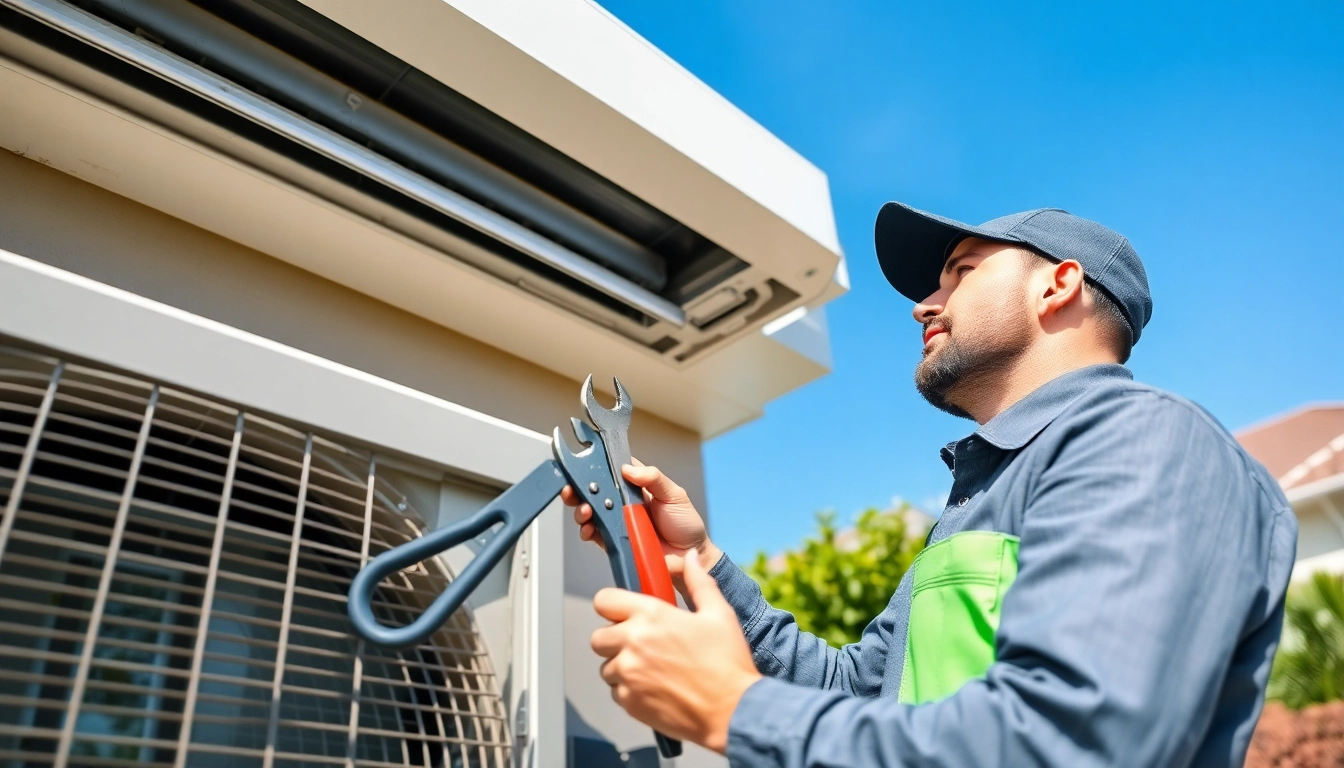
Understanding HVAC Systems
What is an HVAC System?
HVAC stands for Heating, Ventilation, and Air Conditioning. It encompasses the technological systems used for regulating indoor climate, ensuring comfort through appropriate temperature and humidity levels. An HVAC system can be a single unit, such as a window air conditioner, or a more complex configuration involving multiple components such as furnaces, heat pumps, ductwork, and thermostats. Understanding each segment within HVAC systems is essential for comfortable living and energy efficiency.
Functions of Heating, Ventilation, and Air Conditioning
The crucial functions of an HVAC system can be segmented into three primary components:
- Heating: This involves generating heat to warm indoor spaces, commonly through furnaces, boilers, or heat pumps. Effective heating ensures comfort during colder months.
- Ventilation: This process maintains air quality by providing fresh air and removing stale air from an indoor environment. Proper ventilation prevents the buildup of contaminants, creating a healthier indoor atmosphere.
- Air Conditioning: This function cools and dehumidifies indoor air, making spaces comfortable during warmer months. Air conditioning systems can either be centralized or localized, depending on building size and design.
Common Issues in HVAC Systems
Owners may face several common issues concerning their HVAC systems, including:
- Inadequate Heating or Cooling: Often the result of system malfunctions or improper sizing.
- Frequent Cycling: This could indicate a problem with the thermostat or issues within the HVAC unit.
- Strange Noises: Unusual sounds like banging or grinding usually signal repair needs.
- Inefficient Airflow: Likely due to duct blockages or a poorly maintained system, limiting overall effectiveness.
Signs Your HVAC Requires Repair
Unusual Noises and Smells
If your HVAC system is emitting strange noises such as clanging, hissing, or whistling, it is crucial to address this immediately. Additionally, persistent odors—especially acrid smells or the scent of burning—can indicate serious issues that require professional intervention.
Inefficient Temperature Control
When you notice that your HVAC system is struggling to maintain a consistent temperature, this could indicate underlying problems. It may be a lack of refrigerant, a malfunctioning thermostat, or issues with ductwork—all necessitating prompt examination and likely repair.
Increased Energy Bills
Noticeably higher energy bills can serve as a signal that your HVAC system is running inefficiently. Factors leading to increased energy consumption could include poor insulation, leaks in ductwork, or failed system components that require repair or replacement.
Choosing the Right Repair Service
What to Look for in a Service Provider
When seeking HVAC repair services, look for providers who are licensed, insured, and have a strong reputation in the locale. Online reviews, word-of-mouth recommendations, and industry certifications can provide insight into potential candidates. Additionally, a good service provider should offer a transparent service approach, including detailed estimates and warranties on work performed.
Questions to Ask Before Hiring
Before finalizing on a service provider, ask essential questions including:
- What certifications do you hold?
- Can you provide references?
- What guarantees do you offer on repairs?
- How do you handle emergency calls?
- What is your warranty policy on parts and labor?
Estimating Repair Costs
Repair costs can vary widely based on the issue and the required parts. On average, HVAC service calls may range from $75 to $150, with labor rates between $50 and $150 per hour. It is essential to obtain multiple quotes for significant repairs to ensure you are receiving fair pricing.
Maintenance Tips for HVAC Longevity
Regular Filter Changes and Cleanings
One of the simplest yet most effective maintenance tasks is changing the air filters regularly—usually every 1-3 months, depending on usage. Dirty filters restrict airflow, forcing HVAC systems to work harder than necessary. Clean filters contribute to better air quality and energy efficiency.
Seasonal System Checkups
Scheduling regular checkups at the start of the heating and cooling seasons can help catch issues before they escalate into costly repairs. A comprehensive inspection often includes checking refrigerant levels, cleaning coils, and inspecting electrical connections.
Benefits of Preventive Maintenance
Preventive maintenance enhances the efficiency and lifespan of HVAC units, reducing overall costs associated with emergency repairs. Regularly maintained systems can use 5-15% less energy and operate more effectively, leading to significant savings on your energy bills.
Frequently Asked Questions
How often should I service my HVAC?
Ideally, schedule maintenance at least once a year, preferably before summer and winter seasons, to ensure efficient operation.
What are common HVAC repair costs?
Common costs vary but can range from $75 to over $1,000 depending on the nature and complexity of the repair required.
Can I perform DIY HVAC repairs?
While minor maintenance tasks can be performed DIY, most repairs should be handled by professionals to avoid safety hazards and further system damage.
What are signs my HVAC might need replacement?
Signs include frequent breakdowns, inefficient operation, an old system nearing the end of its lifespan, and significantly higher energy bills.
How can I improve my HVAC's efficiency?
Improve efficiency by changing filters regularly, ensuring insulation is adequate, sealing ducts, and scheduling regular professional maintenance.
For expert assistance with hvac repair north salem, contact a local service provider who can help diagnose and resolve your HVAC issues efficiently.