Gardening is a deeply rewarding activity that connects nature with nurturing, not only yielding bountiful crops and beautiful landscapes but also providing a therapeutic escape from the grind of daily life. The journey into the world of Gardening involves understanding various elements, from soil composition to pest management, that together create the perfect environment for plants to thrive. Whether you're a novice eager to dig into your first plot or an experienced gardener looking to refine your techniques, this comprehensive guide is designed to equip you with essential knowledge and practical tips.
Getting Started with Gardening Basics
Understanding Soil Composition for Gardening
Soil is the foundation of gardening; it is a living ecosystem that sustains plant life. To understand soil composition, we must consider its main components: minerals, organic matter, air, and water. Each element plays a vital role in promoting healthy plant growth:
- Minerals: These are the nutrients that plants absorb. Soil should have a mix of sand, silt, and clay to maintain a balance between drainage and retention. A common method to assess soil texture is the "shake test," where you mix soil with water and observe how it separates.
- Organic Matter: Decomposed plant and animal materials that enhance soil fertility and structure. Compost, worm castings, and well-rotted manure enrich the soil with essential nutrients.
- Air: Oxygen is crucial for root respiration, and good soil structure allows for air pockets that keep the soil aerated.
- Water: While plants need moisture, it's essential that soil drains well to prevent root rot.
Testing your soil's pH can also guide you in amending it appropriately. Different plants thrive in different pH levels: most prefer a slightly acidic to neutral environment (pH 6-7).
Selecting the Right Plants for Your Garden
Choosing the correct plants involves considering your local climate, the characteristics of your soil, and the type of garden you envision. Here are some tips for selecting plants:
- Climate Compatibility: Choose plants that are native or well-adapted to your local climate. Research local growth zones to identify suitable species.
- Growth Requirements: Each plant has unique sunlight, moisture, and nutrient needs. Make sure to match plants according to these criteria for optimal growth.
- Purpose: Are you planting for beauty, utility, or wildlife? Decide whether you're after vegetables, ornamental flowers, or pollinator-friendly plants to inform your choices.
- Spacing: Consider mature sizes and space them accordingly for proper air circulation and growth.
Essential Gardening Tools You Need
Having the right tools can make gardening a more enjoyable and efficient experience. Here’s a list of essentials:
- Gloves: Protect your hands while working with soil and plants.
- Shovel and Trowel: Essential for planting, digging, and moving soil.
- Rake: Useful for leveling soil and collecting debris.
- Pruning Shears: Important for maintaining plant health through regular pruning.
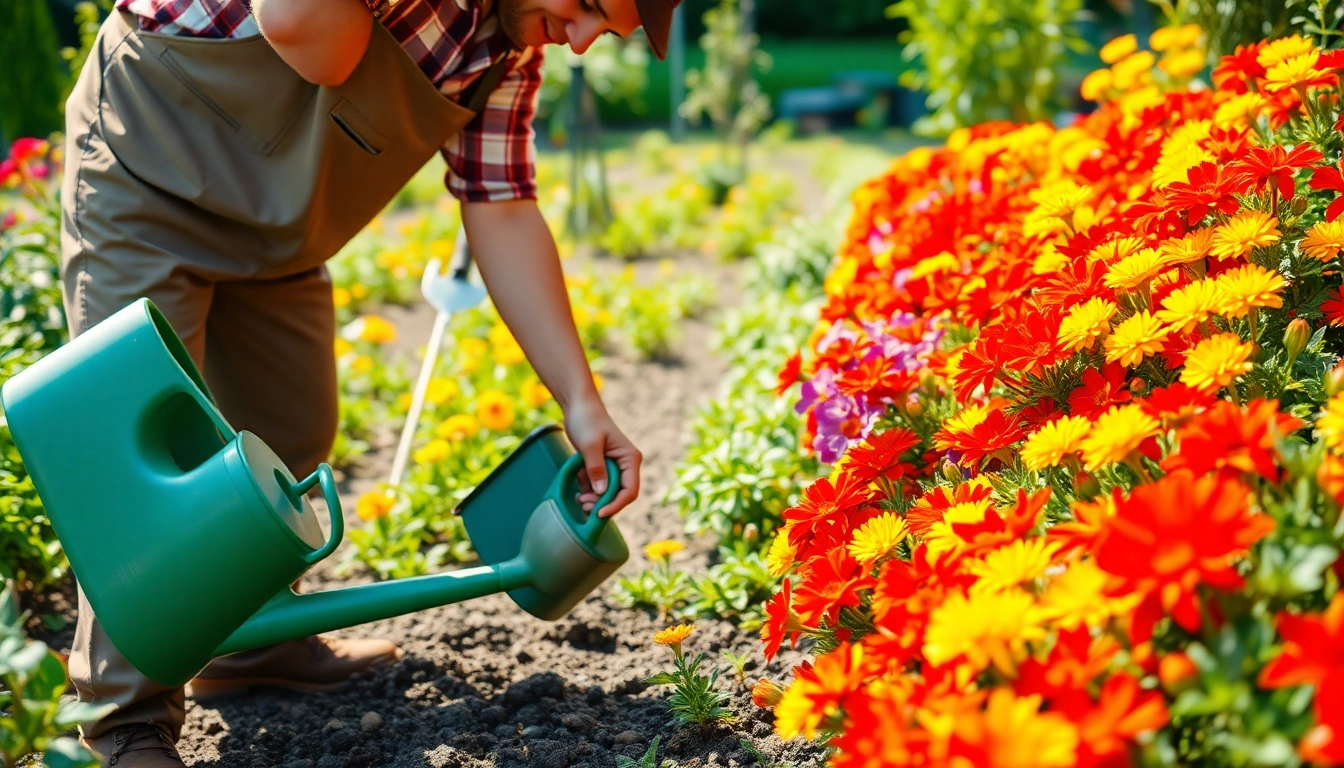
- Watering Can/Hose: Ensure you have an efficient system for watering your plants.
- Wheelbarrow: Great for transporting soil, plants, and other materials around your garden.
Watering Techniques for a Thriving Garden
Best Practices for Efficient Watering
Watering is an art that ensures your plants receive moisture without causing stress. Here are some best practices for effective watering:
- Water Early or Late: Watering in the early morning or late afternoon minimizes evaporation.
- Deep Watering: Instead of frequent shallow watering, it's better to soak deeply less often, encouraging deeper root growth.
- Check Soil Moisture: Use your finger or a moisture meter to check if the soil is dry before watering.
How to Avoid Overwatering in Gardening
Overwatering can be just as harmful as underwatering. To prevent this, adhere to the following guidelines:
- Know Your Plants: Understand the watering needs specific to the types of plants in your garden.
- Drainage: Ensure your garden beds have adequate drainage. Raised beds often help prevent oversaturation.
- Mulching: Applying a layer of mulch helps retain soil moisture and reduces the need for frequent watering.
Irrigation Systems: Pros and Cons
Irrigation systems can automate watering and save time, but they come with their own set of advantages and disadvantages:
- Consistency: Automated systems deliver regular watering.
- Efficiency: Reduced water waste through precise targeting.
- Convenience: Ideal for larger gardens or for those with busy schedules.
- Cost: Installation and maintenance can be expensive.
- Setup Complexity: Depending on the system, setup can be challenging.
- Potential for Overwatering: Systems need to be monitored to avoid saturating the soil.
Pest Management Strategies in Gardening
Identifying Common Garden Pests
Effective pest management starts with recognizing the culprits that can harm your plants. Common garden pests include:
- Aphids: Small, sap-sucking insects that congregate on plants.
- Whiteflies: Tiny insects that produce honeydew and can lead to sooty mold.
- Slugs and Snails: These creatures can consume young plants overnight.
- Spider Mites: Microscopic pests that cause stippling on leaves.
Regular inspections of plants can help in early detection and management of these pests.
Natural Remedies for Pest Control
Instead of resorting to chemicals, many gardeners prefer natural remedies to keep pests at bay:
- Neem Oil: A natural pesticide that disrupts the lifecycle of pests.
- Insecticidal Soap: Effective against soft-bodied insects when sprayed directly.
- Garlic Spray: A homemade mixture that repels various pests.
Using Beneficial Insects in Your Garden
Not all insects are harmful; many can be beneficial and contribute positively to your garden:
- Lacewings: Their larvae consume aphids and other soft-bodied insects.
- Ladybugs: Known for eating vast quantities of aphids.
- Parasitic Wasps: They target pests by laying eggs in them, effectively controlling their populations.
Creating an inviting habitat for beneficial insects, such as planting diverse flowers, can enhance their presence in your garden.
Seasonal Gardening Tips for Maximum Yield
Preparing Your Garden for Spring
Spring is the time for new beginnings. To prepare your garden:
- Clear away debris and old plants from the previous season.
- Test the soil and amend it as necessary, promoting a fertile environment for new growth.
- Plan your planting schedule based on the last frost date in your area.
Maintenance Tasks to Tackle Each Season
Seasonal maintenance ensures ongoing health and productivity in your garden:
- Spring: Plant new seeds, apply mulch, and begin regular watering.
- Summer: Monitor for pests, water deeply, and prune plants as needed.
- Fall: Harvest crops, clean up, and prepare soil for winter.
- Winter: Protect perennials with mulch, plan for the next season, and inspect tools for maintenance.
Harvesting Techniques for Fresh Produce
Harvesting is the gratifying result of your hard work. Here are effective techniques to follow:
- Timing: Harvest fruits and vegetables when they are ripe for peak flavor and nutrition.
- Tools: Use clean, sharp tools to prevent damage to the plants.
- Storage: Properly wash and store your harvest to maximize its freshness and taste.
Advanced Gardening Techniques for Enthusiasts
Companion Planting for Enhanced Growth
Companion planting involves strategically placing different plants next to each other for mutual benefits, such as pest control, improved nutrient uptake, and increased yield. Here are some well-known companions:
- Tomatoes and Basil: Basil enhances the flavor of tomatoes while warding off pests.
- Carrots and Onions: These two can grow well together, with onions deterring carrot flies.
- Marigolds: When planted near vegetables, marigolds are known to repel nematodes and other pests.
Vertical Gardening Ideas for Small Spaces
Vertical gardening allows you to maximize space while adding visual interest. Consider these ideas:
- Wall Planters: Utilize vertical wall space with planters attached to fences or walls.
- Climbing Plants: Grow beans, peas, or cucumbers with trellises to save ground space.
- Hanging Baskets: Ideal for herbs or ornamental flowers that can be displayed at eye level.
Organic Gardening Practices You Should Consider
Organic gardening avoids synthetic fertilizers and pesticides, prioritizing sustainability and health. Here are some practices:
- Crop Rotation: Helps prevent soil depletion and reduces pest buildup.
- Composting: Transform kitchen scraps and yard waste into rich soil amendments.
- Natural Pest Solutions: Use beneficial insects and natural repellents instead of harsh chemicals.
In conclusion, immersing yourself in the rich and multifaceted world of Gardening can transform your space and enhance your quality of life. By gaining foundational knowledge, employing best practices, and incorporating advanced techniques, anyone can find joy and success in cultivating their garden. Start your gardening adventure today, nurturing not only plants but also your connection to the earth.