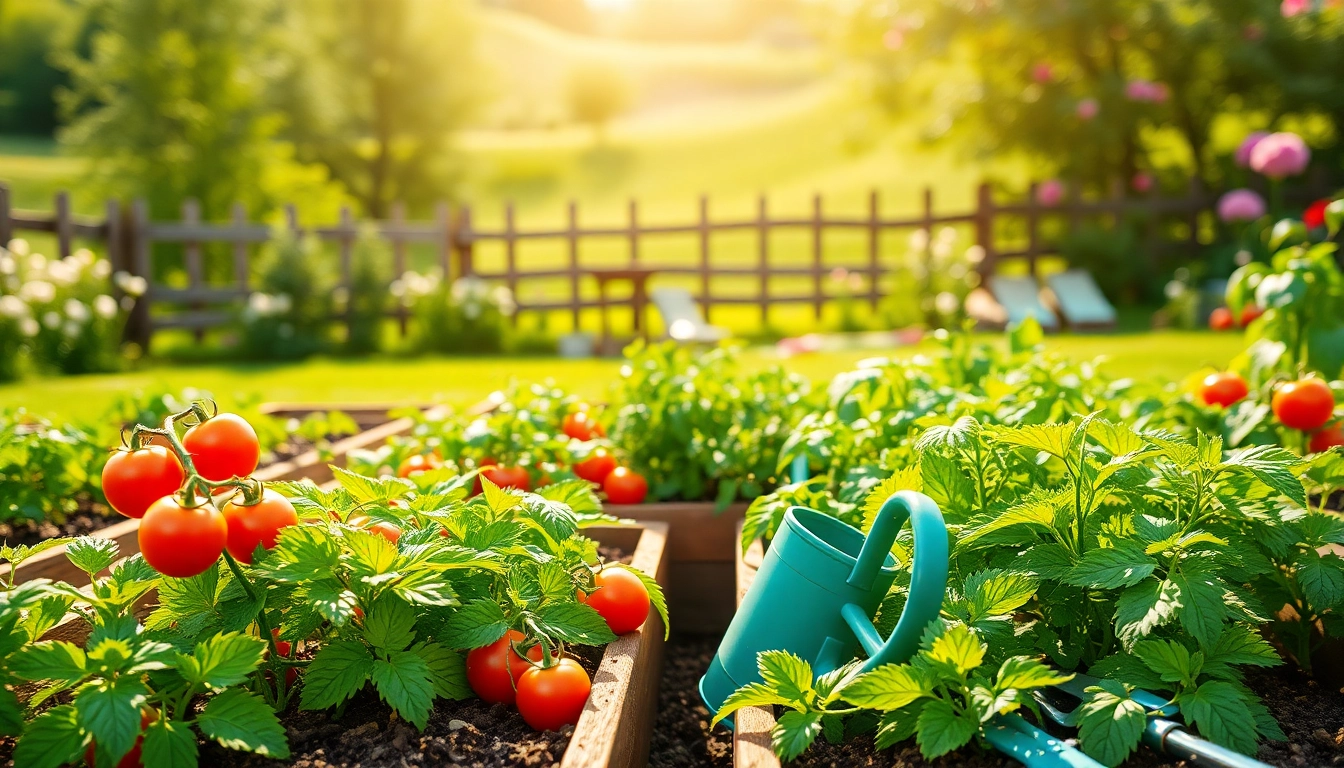
Your First Steps in Gardening
Starting your journey into Gardening can feel overwhelming, but by understanding the fundamental aspects of gardening, you can create a thriving green space. This section will guide you through the essential first steps, making your gardening experience both rewarding and enjoyable.
Understanding Soil Types and Preparation
The foundation of any successful garden begins with the soil. Different types of soil offer varying nutrient profiles, drainage capabilities, and moisture retention characteristics. Here’s an overview of the primary types of soil:
- Sandy Soil: Quick drainage and easy to work with but often lacks nutrients. Adding organic matter can improve its fertility.
- Clay Soil: Heavy and compact, it retains moisture well but can be difficult to work. Amending it with compost or sand can enhance its texture.
- Silty Soil: Fertile and nutrient-rich, but can compact easily. It has better drainage than clay but requires good practices to maintain its structure.
- Loamy Soil: The ideal balance of sand, silt, and clay, loamy soil is rich in nutrients, retains moisture, and drains well. It’s perfect for most plants.
Before planting, conduct a soil test to determine pH and nutrient levels, allowing you to amend the soil as needed. This preparation ensures that your plants receive the critical nutrients required for growth.
Choosing the Right Plants for Your Environment
Selecting the right plants can be pivotal in creating a flourishing garden. Factors to consider include:
- Climate: Know your hardiness zone. This will dictate what plants can survive the winter and thrive in your local climate.
- Sunlight: Evaluate the sunlight exposure in your garden area. Some plants require full sun, while others thrive in partial shade.
- Soil Type: Consider what types of soil support certain plants. Cacti thrive in sandy soil, while hydrangeas prefer loamy, moist soil.
Additionally, think about companion planting. Certain plants, when grown together, can enhance each other's growth, deter pests, and promote a balanced ecosystem in your garden.
Essential Tools Every Gardener Needs
Equipping yourself with the right tools can make your gardening tasks more manageable and enjoyable. Here are some fundamental tools every gardener should have:
- Hand Trowel: Ideal for digging small holes and transplanting seedlings.
- Pruning Shears: These are essential for trimming plants, cutting back perennials, and maintaining the health of your garden.
- Garden Hoe: A great tool for aerating the soil, removing weeds, and mixing in amendments.
- Watering Can or Hose: Maintain proper moisture levels in your garden. Consider a soaker hose for an efficient watering solution.
- Garden Rake: For leveling soil and gathering debris.
Investing in quality tools will make your gardening experience more efficient and enjoyable. Keep them clean and well-maintained for best results.
Basic Gardening Techniques
Starting Plants from Seeds vs. Seedlings
Deciding whether to start your garden from seeds or seedlings (young plants) depends on several factors. Here’s a breakdown:
- Seeds: Growing from seeds offers a wider variety of plant choices and is often more economical. However, it requires patience and a longer growing period.
- Seedlings: Purchasing started plants can provide quicker gratification and usually yields faster results. However, the range of plant types may be limited and may cost more.
If starting from seeds, consider starting them indoors if your growing season is short. Use peat pots or seed trays with adequate drainage for optimal growth conditions.
Watering Practices for Thriving Gardens
Watering is crucial for plant health, yet many gardeners struggle with the right techniques. Here are effective watering practices:
- Deep Watering: Instead of frequent shallow watering, water deeply once or twice a week. This encourages deep root growth.
- Morning Watering: Watering in the early hours helps prevent evaporation and fungal diseases.
- Mulching: Adding a layer of mulch can help retain soil moisture and keep weeds at bay.
Always check the soil’s moisture levels before watering. Overwatering can lead to root rot and other issues, while underwatering can stunt growth.
Understanding Garden Layout and Design
A well-thought-out garden layout not only enhances aesthetics but also optimizes plant growth and health. Consider these aspects:
- Garden Layout: Designate spaces for different plant types, keeping in mind sunlight, height (to prevent taller plants from shading shorter ones), and accessibility for maintenance.
- Raised Beds: Consider raised garden beds for better soil composition, drainage, and pest control.
- Pathways: Plan pathways to allow easy access for weeding, harvesting, and maintenance. Stones, wood chips, or gravel can be effective materials.
Visualization tools or garden design software can help you create a well-organized plan that meets your gardening goals.
Advanced Gardening Strategies
Composting: Turning Kitchen Waste into Garden Gold
Composting is an excellent way to recycle organic material while enriching your garden soil. The benefits include:
- Nutrient-Rich Compost: Compost provides essential nutrients, improving soil fertility and structure.
- Soil Aeration: Adding compost enhances the soil’s ability to retain moisture while allowing for adequate air circulation.
To create compost, collect kitchen scraps (vegetable peels, coffee grounds) and yard waste (leaves, grass clippings). Maintain a balanced mix of brown (carbon-rich) and green (nitrogen-rich) materials, turning the pile regularly to oxygenate it. Within a few months, you'll have rich compost to nourish your garden.
Organic Pest Control Methods
Pest management is vital for a healthy garden ecosystem. Organic methods help maintain environmental balance. Here are some effective strategies:
- Beneficial Insects: Attract ladybugs, lacewings, and predatory wasps to manage pest populations naturally.
- Plant Companions: Certain plants naturally repel pests; for example, marigolds can deter nematodes.
- Compounds: Use natural sprays like neem oil or insecticidal soap, which can effectively target harmful insects without affecting beneficial ones.
Regular monitoring and early intervention can prevent infestations and preserve your garden’s health.
Cultivating Heirloom Plants
Heirloom plants offer unique flavors and a sense of history, having been passed down through generations. Key advantages of growing heirlooms include:
- Diversity: Heirloom varieties contribute to biodiversity, which can protect against disease and pest outbreaks.
- Flavor: Often, heirloom fruits and vegetables possess exceptional flavors compared to commercial varieties.
When cultivating heirloom plants, it’s essential to save seeds from successful plants to perpetuate the variety for future planting. This practice helps sustain the lineage of heirloom species.
Seasonal Gardening Guides
Spring Planting Essentials
Spring is the ideal time to start planting, as temperatures rise and daylight extends. Here are some spring essentials:
- Planning Your Garden: Outline what you wish to plant, considering your local climate and frost dates.
- Soil Preparation: Start with soil testing and amend it accordingly to enhance nutrient levels.
- Seed Selection: Choose seeds that thrive in your region, considering native vegetables and flowers.
Begin with hardy varieties, which are better suited for unpredictable spring weather.
Summer Garden Care Techniques
As your garden flourishes in summer, it’s crucial to adopt practices that support growth and mitigate stress:
- Consistent Watering: Ensure deep and consistent watering to withstand hot temperatures.
- Weed Control: Regularly remove weeds to limit competition for nutrients and water.
- Mulching: Apply mulch to conserve soil moisture and reduce weed growth.
Keep an eye out for pests and diseases, as they can thrive in the warm summer climate.
Preparing Your Garden for Winter
Winter preparations are essential to protect your garden during the colder months. Here’s how to prepare:
- Cleaning Up: Remove dead plants and debris to prevent diseases and pests from overwintering.
- Mulching: Establish a protective layer of mulch to insulate the soil and regulate temperature.
- Cover Crops: Planting cover crops can improve soil fertility for the next growing season.
Adopting winterizing practices not only shields your garden but also prepares it for a fruitful spring revival.
Engaging with the Gardening Community
Joining Local Gardening Clubs and Associations
Being part of a gardening community can enhance your knowledge, provide moral support, and foster friendships. Here’s how to get involved:
- Networking: Local clubs often host workshops, plant exchanges, and social events, enriching your gardening experience.
- Learning Opportunities: Engage in discussions and listen to presentations from experienced gardeners.
Joining a local gardening association can connect you with resources and expert advice tailored to your region.
Online Resources and Forums for Gardeners
The internet is a treasure trove of gardening knowledge. Here’s how to make the most of it:
- Social Media Groups: Online platforms often host active gardening communities where members share tips and answer questions.
- Websites and Blogs: Explore dedicated gardening blogs for tutorials, reviews, and firsthand experiences that can aid in your gardening efforts.
Utilizing online resources empowers you with a wealth of information and support, making gardening more enjoyable.
Participating in Gardening Workshops and Events
Workshops offer hands-on experiences that can elevate your gardening skills. Here’s what to keep in mind:
- Local Events: Often held at nurseries or community centers, these workshops cover various topics from propagation to landscape design.
- Expert Guidance: Learning from seasoned gardeners provides invaluable insights and techniques.
Whether you’re a beginner or an advanced gardener, participating in workshops can significantly enhance your gardening knowledge and practice.