Understanding Crawl Space Maintenance
What is a Crawl Space?
A crawl space is a shallow foundation area beneath a building, typically located between the ground and the first floor. This space is crucial for several reasons, including providing access to plumbing systems, wiring, and HVAC ducts. Generally, crawl spaces are ventilated and can help with moisture control and preventing soil gases from entering the home. However, if they are not properly maintained, they can lead to significant problems such as mold growth, structural damage, and pest infestations. Proper understanding and maintenance of this area are vital for the overall health of your home.
Common Reasons for Crawl Space Issues
Several factors can contribute to issues within a crawl space:
- Moisture Intrusion: Groundwater can seep into the crawl space, leading to dampness and potential mold growth.
- Insufficient Ventilation: Lack of airflow can trap moisture and increase humidity levels, contributing to mold issues.
- Pest Infestations: Rodents and insects often find crawl spaces to be a suitable habitat, which can lead to damage and health risks.
- Structural Problems: Uneven settling or deterioration of foundation supports may occur, leading to serious structural integrity concerns.
The Importance of Regular Maintenance
Regular crawl space maintenance is essential for preventing long-term damages. By routinely inspecting and addressing issues, homeowners can protect their property from expensive repairs. A well-maintained crawl space contributes to better indoor air quality, reduces energy costs, and preserves the home's structural integrity. Implementing a maintenance plan is a proactive step toward safeguarding your investment.
Signs Your Crawl Space Needs Attention
Indicators of Moisture and Mold
Mold and moisture issues are among the most common signs that a crawl space needs attention. Homeowners should watch for:
- Visible Mold: Black or green spots on surfaces indicate mold growth.
- Musty Odors: A persistent damp smell is often a sign of hidden mold or moisture.
- Condensation: Water droplets forming on pipes or beams indicate excessive humidity.
Detecting Pest Infestations
Pests can be indicators of an unhealthy crawl space. Signs of infestation include:
- Droppings: Finding rodent or insect droppings signals a potential infestation.
- Noises: Scratching or scurrying sounds may indicate rodents are present.
- Nests: Discovering nests made from insulation or debris suggests a thriving pest presence.
Structural Damage Warning Signs
Structural issues can be subtle but are critical to address. Look for:
- Creaking Floors: Unusual sounds or sagging in floors above the crawl space can indicate damage below.
- Cracks in Walls: Vertical cracks in interior walls may suggest foundation shifts caused by crawl space issues.
- Uneven Door Frames: Doors that stick or do not close properly may result from structural shifts.
Effective Crawl Space Cleaning Techniques
DIY Cleaning vs. Professional Services
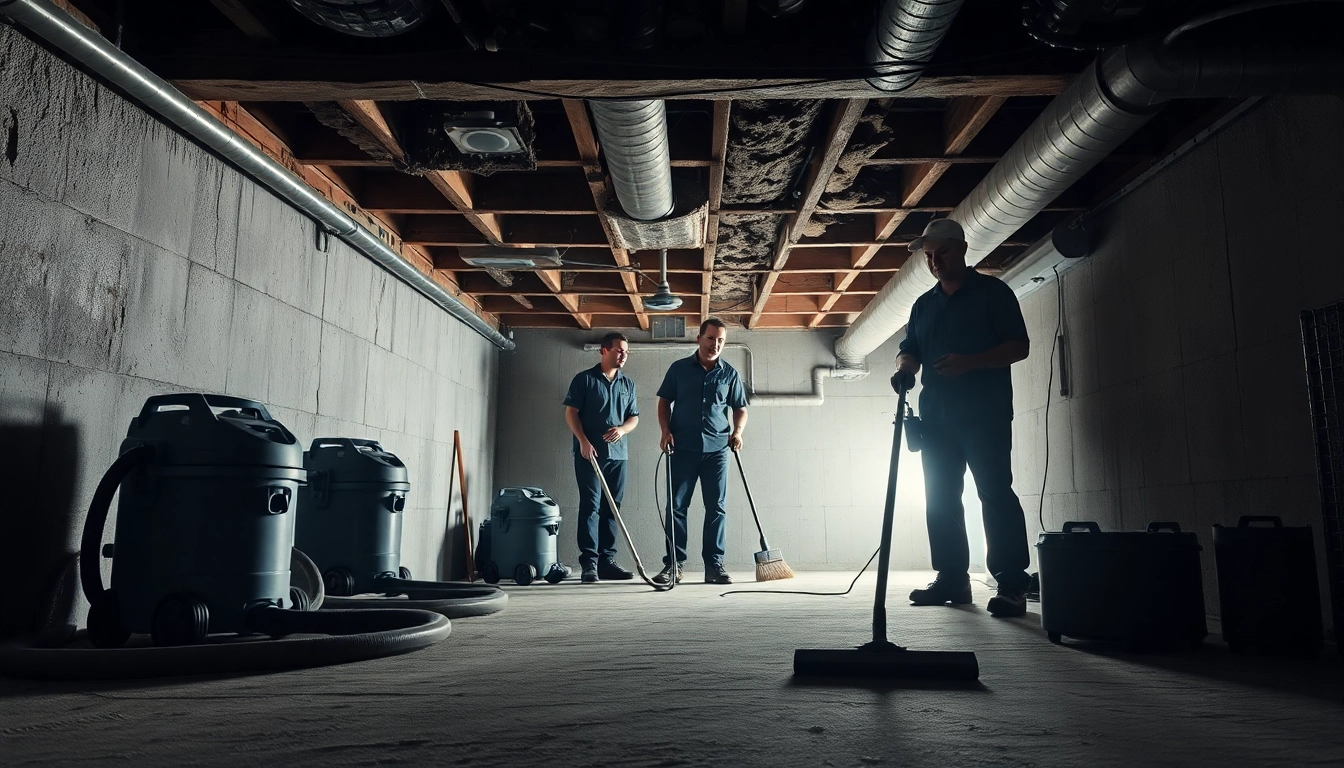
Homeowners can choose between DIY cleaning or hiring professionals for crawl space maintenance. DIY methods can be cost-effective for minor issues but may not address systemic problems. Professional services bring expertise, specialized tools, and safety precautions, especially for larger projects involving mold removal or extensive cleaning.
Tools and Equipment for a Successful Clean
Having the right tools can make a significant difference in the effectiveness of crawl space cleaning. Essential tools include:
- Protective Gear: Gloves, masks, and goggles to ensure safety from mold spores and chemicals.
- Vacuum with HEPA Filter: Effective in removing dust, debris, and allergens from the crawl space.
- Mold Removal Products: Chemicals designed to eliminate mold and mildew safely.
Steps for a Thorough Inspection
For a thorough crawl space inspection, follow these steps:
- Clear debris to ease access and visibility.
- Inspect for water pooling or dampness, noting sources of moisture.
- Check for signs of pests or damage to insulation and wood structures.
- Investigate ventilation systems, ensuring air circulation.
- Document findings and address issues rapidly to avoid worsening conditions.
Benefits of Crawl Space Restoration
Improving Home Air Quality
One of the major benefits of crawl space restoration is the improvement of indoor air quality. Since air flows from the crawl space to the living areas of the home, controlling moisture and reducing mold can lead to significant health benefits, especially for those with allergies or respiratory issues. By ensuring a clean and dry crawl space, homeowners can create a healthier living environment.
Enhancing Energy Efficiency
A well-maintained crawl space can enhance a home's energy efficiency. Insulating crawl spaces and minimizing air leaks can lead to lower energy bills as heating and cooling systems work less to maintain comfortable indoor temperatures. This proactive measure not only saves costs but also reduces the environmental impact associated with energy usage.
Protecting Home Value
Crawl space restoration is an investment in your property's value. Homes with clean, well-maintained crawl spaces are more attractive to potential buyers. Preventing moisture damage and maintaining structural integrity can significantly enhance resale value. Additionally, regular maintenance demonstrates good stewardship of the property, further reassuring buyers of its quality.
Long-term Maintenance Strategies
Regular Inspections and Check-ups
Regular inspections of the crawl space are critical. Homeowners should establish a routine check-up schedule, ideally every six months, to assess the condition of the crawl space. Early detection of issues can prevent costly repairs and ensure the space remains in good condition.
Moisture Control Solutions
Implementing moisture control solutions is essential for maintaining a healthy crawl space. Key strategies include:
- Installing Vapor Barriers: A high-quality vapor barrier can prevent moisture from the ground from entering the crawl space.
- Improving Drainage: Ensuring proper drainage around the foundation can minimize water accumulation near the crawl space.
- Utilizing Dehumidifiers: Dehumidifiers can assist in managing humidity levels effectively.
Creating an Efficient Maintenance Schedule
Developing a maintenance schedule is crucial for long-term crawl space health. Consider the following tips:
- Set Reminders: Use a calendar or app to remind you of inspection dates and maintenance tasks.
- Document Findings: Keep a log of inspections and any maintenance performed or issues found.
- Engage Professionals: For complex issues or significant repairs, do not hesitate to seek professional assistance.
By focusing on crawl space maintenance, homeowners can ensure their properties remain safe, healthy, and efficient. For more information on expert crawl space solutions, visit http://newleafcrawlspace.com.