

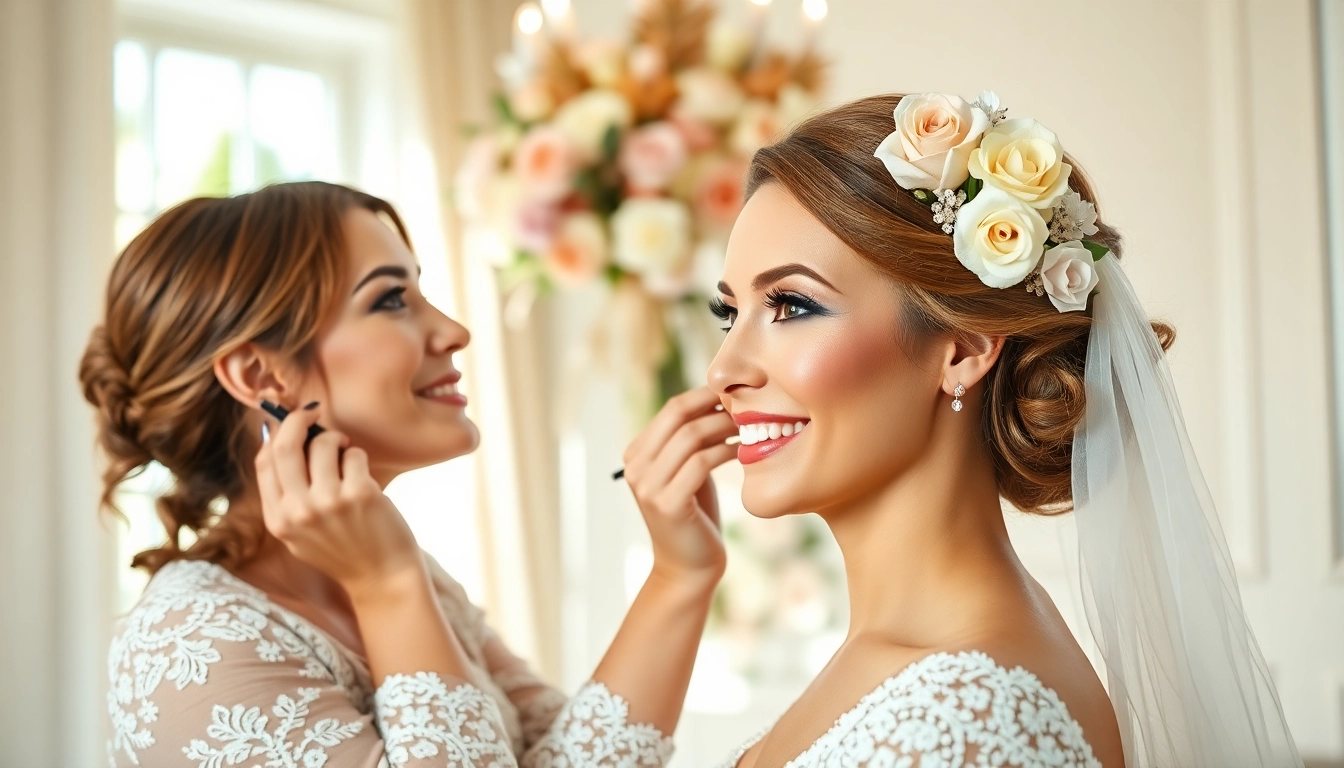
Understanding Wedding Hair and Makeup Basics
Your wedding day is one of the most important days of your life, and the right wedding hair and makeup can make all the difference. From elegant updos to fresh-faced glam, this section dives deep into the basics of wedding hair and makeup, exploring styles, techniques, and products that will ensure you look and feel your best on your special day.
Types of Wedding Hair Styles
Wedding hairstyles vary significantly and cater to every bride’s personality, theme, and dress style. Here’s a breakdown of popular wedding hair trends:
- Updos: A classic choice for elegance, updos can range from sleek chignons to messy buns adorned with flowers or veils.
- Half-up, Half-down: This versatile style is perfect for showing off beautiful curls while keeping your hair out of your face.
- Loose Waves: Effortlessly romantic, loose waves give a natural and relaxed look that works well for beach or outdoor weddings.
- Braids: Braided hairstyles can be integrated into several styles, offering a unique and bohemian touch.
- Ponytails: Sleek or curly ponytails are popular for modern brides who want a chic yet practical option.
Popular Makeup Techniques for Weddings
Wedding makeup should enhance your natural beauty while ensuring longevity throughout the celebrations. Common techniques include:
- Airbrush Makeup: This technique provides a flawless, long-lasting finish that resists smudging, ideal for long wedding days.
- Natural Glam: This trend focuses on enhancing features with soft colors and dewy finishes for a timeless look.
- Bold Eyes: Smoky eyes or bold eyeliner can make a statement while pairing beautifully with understated lip colors.
- Contouring and Highlighting: These techniques can sculpt the face, defining features while ensuring a soft glow.
Essential Products to Consider
Choosing the right products is crucial for ensuring that your look stays intact throughout your wedding day. Key products include:
- Setting Spray: A must-have to keep makeup looking fresh and intact.
- Waterproof Options: Opt for waterproof mascara and eyeliner to avoid any smudging from tears or weather.
- Translucent Powder: Helps control shine and set makeup without adding bulk.
- Highlighter: Select a subtle highlight to enhance your features and create a glow.
Planning Your Wedding Hair and Makeup Timeline
Proper planning is essential for a smooth wedding day. Creating a timeline allows you to allocate time for trials, consultations, and preparations effectively.
When to Start Your Search
Begin your search for hair and makeup artists at least six months before your wedding date. This allows you to find suitable artists, book trials, and adjust styles as needed.
Scheduling Trials and Consultations
Book trials approximately three to four months prior to your wedding. Schedule consultations with artists to discuss your vision, preferences, and skin type. This step is crucial to ensure your selected looks match your expectations.
Creating a Detailed Day-of Schedule
On the big day, provide a detailed schedule for hair and makeup to ensure everything runs smoothly. Factor in time for makeup application, hair styling, and time buffers for any potential delays. Coordination with all parties is essential for an efficient timeline.
Finding the Right Wedding Hair and Makeup Artist
Choosing a talented makeup artist and hairstylist is fundamental to achieving your desired look. Below are key steps to ensure you find the right fit.
What to Look for in an Artist
When looking for a wedding hair and makeup artist, consider their experience, portfolio, and approach to customer service. A professional with a proven track record in weddings will understand the intricacies and time constraints involved.
Reading Reviews and Portfolio Evaluation
Utilize online platforms to read reviews and view portfolios. Look for before-and-after photos that resonate with your style and assess their versatility.
Questions to Ask During Consultations
During initial meetings, ask potential stylists questions to gauge if they are the right fit for you. Inquire about their experience with your hair type, makeup products they recommend, and how they handle emergencies on the day of the wedding.
Budgeting for Wedding Hair and Makeup
Budgeting is critical when planning your wedding. Understanding the costs associated with hair and makeup can help you allocate funds effectively.
Average Costs to Expect
The average cost for wedding hair and makeup ranges widely. Generally, expect to spend between $150 to $600 depending on the experience and the scope of services required. Booking a package deal with trials can sometimes reduce the overall expense.
Cost-Saving Tips
To save costs without compromising quality, consider the following tips:
- Book a bundle for hair and makeup services to access discounts.
- Schedule your wedding during the off-season for potential price reductions.
- Choose a less experienced stylist who is talented and working to build their portfolio.
- Limit bridal party services to essential members, such as maids of honor and mothers.
Understanding Packages and Services
Many stylists offer packages that include trials, touch-ups, and hairstyling for the bridal party. Understanding these packages will help you determine which best fits your needs and budget.
FAQs on Wedding Hair and Makeup
How much should I budget for wedding hair and makeup?
Typically, budgeting for hair and makeup can range from $150 to $600. This estimate includes trials and varying levels of service based on artist experience.
What’s the best way to communicate my style preferences?
Gather inspiration photos from magazines or online platforms and share them with your stylist. This visual reference helps communicate your exact preferences.
How long does hair and makeup typically take?
On average, hair styling takes 1-2 hours, while makeup application ranges from 30 minutes to 1 hour. Allocate sufficient time in your schedule for both.
Can I get hair and makeup done for my bridal party?
Yes, most artists can accommodate bridal parties. Discuss details upfront to ensure they can manage the added workload and schedule effectively.
What if I have specific skin concerns or allergies?
Be upfront with your artist about any skin concerns or allergies during the consultation. They can recommend hypoallergenic products and adjust techniques accordingly.