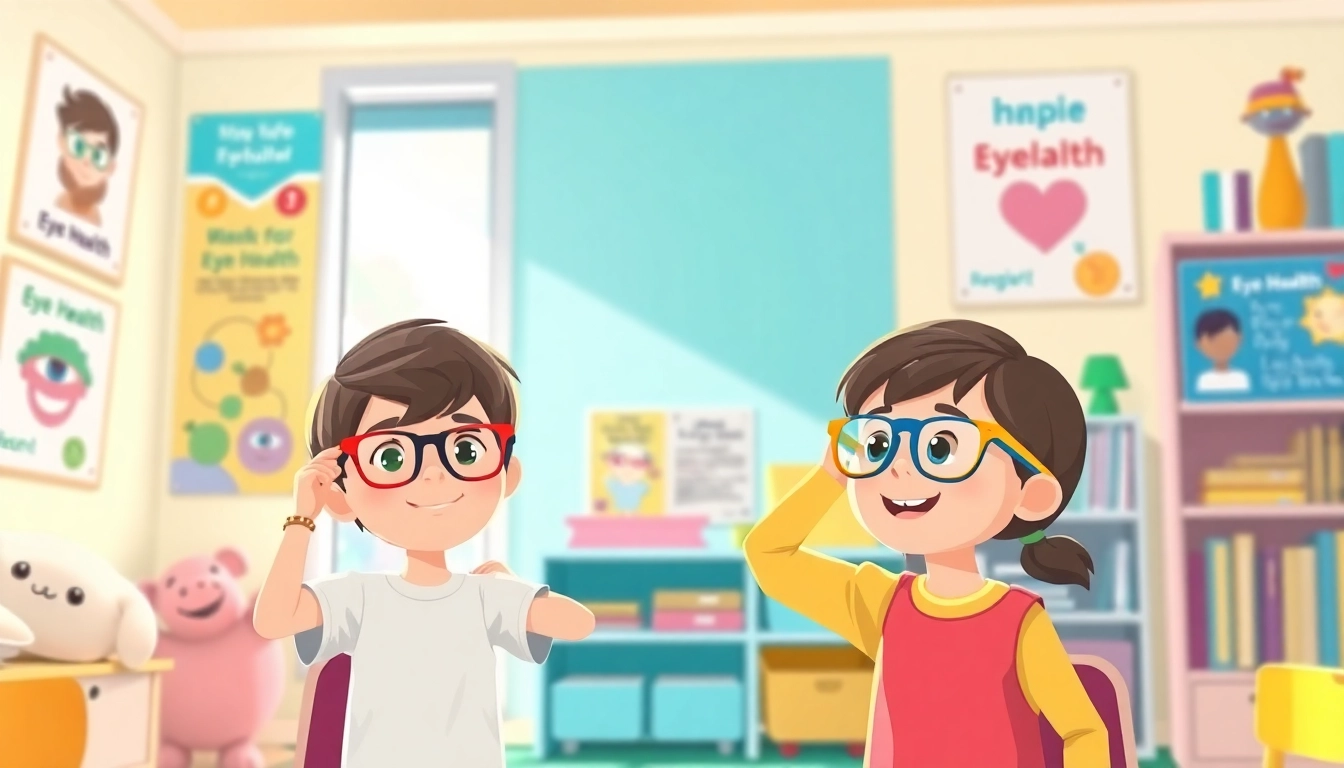
Understanding Our Children's Vision and Its Importance
The well-being of our children encompasses various aspects of health, with vision being one of the most critical yet often overlooked components. Proper eye care is not just about enabling children to see clearly; it’s integral to their overall development, educational success, and quality of life. Our Children's Vision aims to raise awareness and provide actionable strategies to improve eye health among young populations. Recognizing the importance of sight opens the door to long-term benefits as these children grow into adults.
Key Objectives of Our Children's Vision
The objectives of initiatives like Our Children's Vision are multi-faceted. They focus on improving access to eye care services, raising awareness about the importance of regular vision screenings, and enhancing educational programs surrounding eye health.
- Raising Awareness: Educating parents, teachers, and caregivers about the symptoms of vision problems and the significance of early detection.
- Access to Services: Ensuring that all children, regardless of their background, have access to comprehensive eye exams and treatment.
- Community Engagement: Involving local communities in eye health initiatives helps foster environments where children's vision care is prioritized.
- Advocacy: Pushing for policy changes to support funding and resources directed toward children's eye care programs.
Statistics on Children's Vision Problems
Statistics reveal a pressing need for attention to children's vision. It is estimated that nearly one in four school-aged children has a vision problem significant enough to affect their learning ability.
Furthermore, research indicates that up to 80% of what a child learns is acquired through vision, illustrating the importance of healthy eyesight for academic success. Issues like myopia, hyperopia, and astigmatism are prevalent yet can often go undetected without proper screening. These conditions can lead to long-term challenges if not addressed early.
Impact of Poor Vision on Development
Poor vision can severely impact a child's development and social interactions. Difficulties in visual processing can result in complications in learning, leading to decreased academic performance. Moreover, children with undiagnosed vision issues can struggle with coordination and physical activities, which may hinder their participation in sports and play.
Furthermore, emotional and social development is also at risk; children who cannot see well may feel isolated or struggle to connect with peers, leading to low self-esteem and confidence issues. Addressing visual health is crucial not only for educational achievement but also for fostering social and emotional growth.
Identifying Vision Problems in Children
Signs of Vision Issues in Young Kids
Parents and caregivers play an essential role in identifying potential vision problems in children. Signs to watch for include:
- Squinting or tilting the head to see better.
- Avoiding reading or close activities.
- Frequent eye rubbing or excessive tearing.
- Difficulty following moving objects.
Recognizing these signs early can aid in pursuing professional care, ultimately leading to better outcomes for the child's vision health.
How to Conduct Basic Vision Screenings
Conducting basic vision screenings at home can serve as an initial step in monitoring children’s eye health. Parents can perform simple tests, such as:
- Snellen Chart Test: Use a Snellen chart (available online) to check your child's ability to read letters from a distance.
- Cover Test: Cover one eye and observe if the other eye moves to maintain focus; repeat on the other side.
- Tracking Activities: Have the child track a moving object, such as a toy or your finger, to assess eye movement and coordination.
These basic assessments can indicate whether further professional evaluation is necessary.
Professional Eye Care: Understanding the Process
A proper assessment should include a comprehensive eye examination by a qualified eye care professional. This process typically involves:
- Visual Acuity Testing: Measuring how well the child can see at various distances.
- Refraction Assessment: Determining if glasses or contact lenses are needed.
- Eye Health Examination: Checking the overall health of the eyes, including the retina and optic nerve.
These examinations form the foundation of developing an individualized treatment plan if necessary, ensuring that children receive the appropriate care tailored to their needs.
Strategies to Promote Eye Health
Best Practices for Eye Care at Home
Fostering good eye health at home starts with creating a supportive environment. Parents can implement several strategies:
- Limit Screen Time: Encourage breaks from digital devices to reduce eye strain.
- Outdoor Activities: Promote time spent outdoors, as exposure to natural light can benefit eye health.
- Proper Lighting: Ensure adequate lighting for reading and studying to reduce eye fatigue.
These habits contribute to maintaining good eye health and reducing the risk of vision problems.
Importance of Regular Eye Exams
Regular eye exams are paramount in maintaining optimal vision health. Experts recommend that children have their first eye exam by age one, followed by additional examinations at specific intervals, including before starting school and every few years thereafter. These visits offer the opportunity to detect potential issues before they escalate and can mitigate long-term complications.
Role of Nutrition in Eye Health
Nourishing the body contributes significantly to eye health. A diet rich in fruits, vegetables, omega-3 fatty acids, and vitamins A, C, and E supports proper vision development. Foods such as:
- Carrots, which provide beta-carotene.
- Leafy greens, rich in lutein and zeaxanthin.
- Fatty fish, which are sources of omega-3 fatty acids.
These foods can help protect children's vision and should be integrated into their daily diet for optimal eye health.
Community Initiatives for Improving Vision Care
Organizing Community Vision Screenings
Communities can play an active role in promoting children's eye health by organizing vision screening events. Schools, libraries, and community centers can serve as venues where families can access free or low-cost vision screenings. Engaging local healthcare professionals to conduct these screenings not only provides immediate assessment but also raises awareness about the importance of eye care.
Awareness Campaigns: Engaging Parents and Schools
Awareness campaigns can greatly influence parental involvement in their children's eye care. Educational programs can be developed to provide information on recognizing symptoms of vision problems and the significance of early interventions. Schools can serve as platforms to disseminate this information, reaching parents effectively during school events, newsletters, and meetings.
Collaborations with Local Health Services
Collaborative efforts between schools, health services, and non-profit organizations can dramatically improve children's access to vision care. By pooling resources and expertise, these partnerships can facilitate comprehensive programs that offer education, screening, and treatment. Efforts can be enhanced through workshops, community events, and outreach initiatives designed to meet the specific needs of the local population.
Future Directions for Our Children's Vision Efforts
Potential Innovations in Eye Health Technology
The future of eye care holds exciting possibilities, particularly with technological advancements. Innovations in telemedicine are making it easier for children in remote or underserved areas to access eye care without traveling great distances. Additionally, developments in diagnostic technology are improving accuracy in detecting vision problems through non-invasive methods.
Research Trends in Child Eye Care
Ongoing research focuses on understanding the effects of sedentary lifestyles and screen exposure on children's vision. Studies are exploring connections between diet, environmental factors, and ocular health. Keeping track of these trends can help inform future strategies in treatment and prevention, ensuring that initiatives like Our Children's Vision adapt to emerging knowledge.
Advocacy for Policy Changes and Funding
Advocating for policy changes that prioritize children's eye health is essential for creating lasting impact. This includes securing funding for programs that offer free or affordable eye care services and pushing for legislation that mandates regular vision screenings in schools. Engaging policymakers in discussions surrounding children's health can help ensure that vision care remains a priority in public health initiatives.