

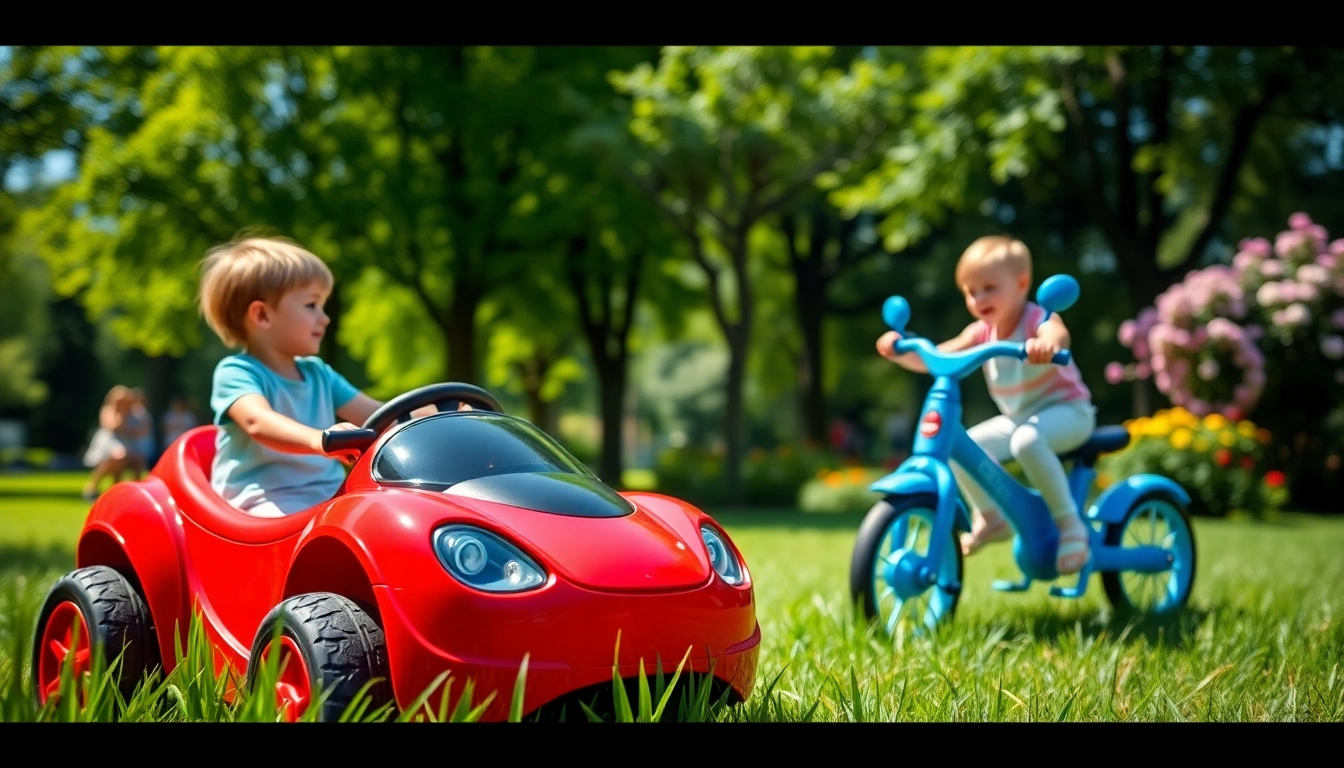
The Importance of Ride On Toys for Child Development
Ride on toys are more than just a fun way for kids to play; they serve a critical role in childhood development. These playful vehicles not only provide enjoyment but also facilitate various developmental milestones. Engaging with ride on toys can significantly impact a child’s physical and mental growth in multiple ways. Let’s explore how these toys contribute to child development.
Motor Skills and Coordination
One of the most significant benefits of ride on toys is the enhancement of motor skills and coordination. As children maneuver their ride on toys, they engage and strengthen their core muscles, balance, and coordination. Whether they’re steering, pedaling, or pushing, these activities build essential physical skills that form the foundation for more complex movements as they grow.
Imagination and Creativity
Ride on toys also serve as a catalyst for imagination and creativity. Children often engage in role-playing scenarios while riding their toys, whether pretending to be race car drivers, firetruck workers, or astronauts. This imaginative play allows children to explore different characters and scenarios, fostering creativity and storytelling skills. Such engagements can lead to enhanced verbal skills and emotional intelligence, as kids express their creativity through language and play.
Social Interaction and Play
Social development is another key benefit of ride on toys. When children play with these toys together, they learn valuable social skills, including cooperation, sharing, and communication. They negotiate play scenarios, resolve conflicts, and build friendships through shared experiences. This interaction is particularly vital for preschool-aged children, where play becomes a primary medium for social learning.
Safety Guidelines for Ride On Toys
While ride on toys are beneficial, safety should always be a priority. By following specific guidelines, caregivers can ensure a safe and enjoyable play experience.
Choosing Age-Appropriate Toys
Choosing the right ride on toy is crucial for safety and development. Each toy is designed for different age groups with varying physical abilities. Ensure that the toy meets the child’s developmental stage. Toys that are too advanced can pose safety risks, while those that are too simple may not hold a child’s interest.
Ensuring Safe Play Environments
The play environment can significantly impact the safety of ride on toys. Supervised outdoor areas with smooth, flat surfaces are ideal for riding. Remove any obstacles that could cause falls or injuries, such as sharp objects or uneven terrain. Additionally, ensure that the location is free from traffic hazards.
Regular Maintenance and Safety Checks
Regular maintenance and safety checks are essential to prolong the life of the toy and ensure safety. Inspect the toys for any broken parts, loose screws, or sharp edges each time before use. Keeping the ride on toys clean and well maintained not only ensures safety but also prolongs their life, allowing more years of play.
Top Features to Look for in Ride On Toys
When selecting ride on toys, it’s essential to consider specific features that enhance safety and playability.
Durability and Material Quality
The material quality of ride on toys greatly influences their longevity and safety. Opt for toys made of sturdy, non-toxic materials that can withstand the wear and tear from active play. High-quality plastics, metal parts, and age-appropriate finishes ensure durability while keeping children safe from harmful substances.
Size and Weight Considerations
Choosing the right size and weight of the ride on toy is important for ensuring that children can maneuver them easily. Lightweight options are often easier for younger children to handle, while older kids may prefer larger, sturdier toys that can withstand more vigorous play. Always check manufacturer guidelines for size and weight recommendations.
Added Safety Features
Safety features such as seat belts, non-slip wheels, and brake systems should be considered when purchasing ride on toys. These features enhance safety and provide parents with peace of mind while letting their children enjoy their toys.
Popular Types of Ride On Toys
The market offers a myriad of ride on toys catering to various interests and developmental stages. Understanding these types can help in choosing the best options for your child.
Tricycles and Bikes
Tricycles and bikes are classic ride on toys that help children develop balance and coordination. These toys usually come with pedals, enabling young children to practice pedaling and steering. Additionally, they promote physical activity and endurance, setting a foundation for a lifetime of healthy habits.
Electric Ride On Cars
Electric ride on cars provide a thrilling experience for older children. Often designed to resemble real vehicles, these toys come equipped with rechargeable batteries, offering the experience of driving. They usually include features like headlights, horns, and sound effects to enhance the fun. While they provide excitement, parental supervision is essential to ensure safe use.
Pushed and Pulled Toys
Pushed and pulled ride on toys are designed for younger children. These are typically easier for toddlers to manage, as they can push them along or be pulled by caregivers. They aid in enhancing walking skills and coordination while allowing toddlers to experience independent movement.
Frequently Asked Questions About Ride On Toys
What age is appropriate for ride on toys?
Ride on toys can vary in age appropriateness. Generally, toddlers around 1-3 years can use smaller pushed or pulled toys, while older children, ages 4+, can handle more complex options like bikes or electric cars.
How can I ensure my child’s safety while using ride on toys?
Always supervise playtime, choose age-appropriate toys, ensure proper fitting safety gear, and maintain a safe play environment free of hazards for maximum safety.
Are electric ride on toys safe for my child?
When used under supervision and according to the manufacturer’s guidelines, electric ride on toys can be safe. Ensure that proper age recommendations are followed and safety features are present.
How do I maintain ride on toys for longevity?
Regularly inspect toys for damage, clean them after use, and follow specific care instructions from the manufacturer to help maintain their condition and ensure safe play.
What are the benefits of ride on toys for physical activity?
Ride on toys encourage outdoor play, enhancing physical activity levels among children. They improve motor skills, coordination, agility, balance, and overall fitness in a fun and engaging way.