Understanding Common Washer Issues
Identifying Symptoms of Washer Malfunction
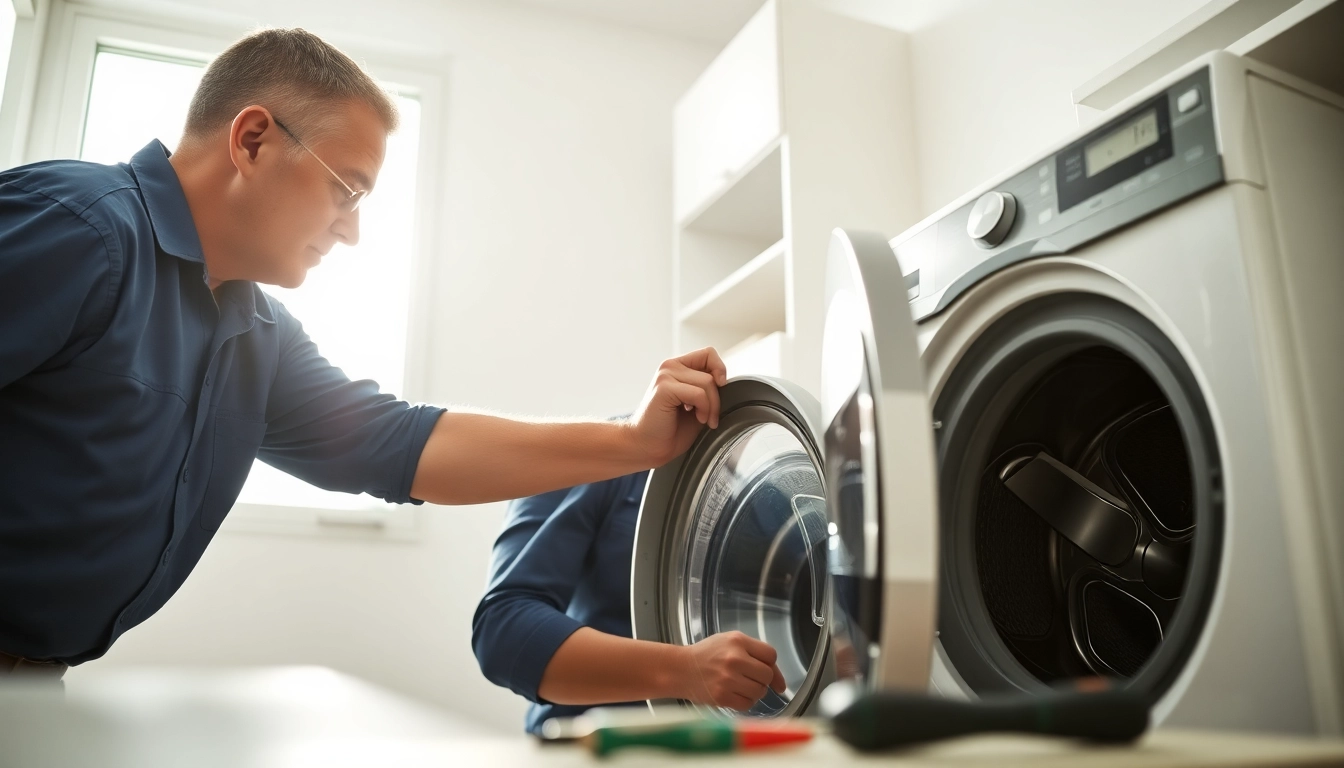
When it comes to household appliances, washers play a crucial role in our day-to-day lives. However, they are not without their issues. Understanding the symptoms of malfunction can help you catch problems early. Common indicators include unusual noises such as banging or grinding, failure to start, or leaks beneath the machine. Observing your washer's behavior closely can help identify these issues. If you've noticed any abnormalities, it may be time to delve into Washer Repair.
Common Errors and Their Causes
Washers can display various error codes, each signaling a different problem. For instance, if your washer stops mid-cycle, an error code like "F02" might appear, indicating a drainage issue. Other common errors include door latch problems, motor failures, or even blockages in hoses. Understanding these errors can provide insight into what might be wrong, allowing for a more targeted approach to diagnosing your washer's issues.
Importance of Regular Maintenance
Regular maintenance is often overlooked but is vital for the longevity of your washer. Simple tasks such as cleaning the lint trap, checking hoses for damage, and ensuring proper water pressure can prevent more significant issues down the line. Scheduling routine inspections and cleaning can keep your washer operating efficiently, saving you time and money in the long run.
Tools and Equipment for Washer Repair
Essential Tools for Every Technician
A well-equipped technician is a successful technician. Essential tools for washer repair include screwdrivers (both flathead and Phillips), pliers, an adjustable wrench, and a multimeter for electrical testing. Always have these tools on hand to troubleshoot a variety of issues effectively.
Safety Equipment and Precautions
Safety should always be a priority when working with appliances. Ensure you have safety goggles, gloves, and sturdy footwear. Disconnecting the power supply before beginning any repair is crucial to avoid electrical shock. Familiarize yourself with specific safety protocols to mitigate risks during repair work.
How to Prepare Your Workspace
Creating a clean and organized workspace is essential for any repair project. Remove unnecessary items and ensure you have ample lighting. Lay down a protective covering to catch any spills or debris. Having everything within reach will streamline your workflow, making the repair process more efficient.
Step-by-Step Washer Repair Process
Diagnosing the Problem
Begin the diagnosis by observing the symptoms your washer exhibits. Utilize a multimeter to check electrical components, inspect hoses for clogs, and ensure the drum spins freely. Document any error codes displayed on the control panel. This information will be invaluable in isolating the root cause of the malfunction.
Repair Techniques for Common Issues
Different problems require different repair techniques. For example, if your washer won't drain, you may need to clear the drain pump or replace a malfunctioning lid switch. Similarly, a noisy washer might indicate loose components that require tightening. Familiarize yourself with common repair techniques that align with your findings during diagnosis to effectively remedy the situation.
Testing and Final Checks
Once repairs are completed, it’s crucial to test your washer to ensure everything functions correctly. Run a short cycle with a few towels inside to confirm there are no leaks and that the drum spins as expected. Check all connections and sensors to guarantee that the repair was successful before returning the appliance to regular use.
Cost Considerations in Washer Repair
Understanding Repair Costs and Estimates
The cost of washer repair can vary significantly based on the issue. Basic repairs may only cost a fraction of what it would take to replace the entire unit. Factors influencing repair costs include parts, labor, and whether the problem requires specialized knowledge. It’s advisable to obtain quotes from several technicians to ensure a fair price.
When to Consider Replacement Instead
There comes a time when repair may not be the most economical option. If repair costs exceed half of the price of a new washer, or if the washer is over 10 years old with a history of issues, replacement might be the wiser choice. Weighing factors such as the efficiency of newer models can influence this decision.
Insurance and Warranty Insights
Understanding what’s covered under your warranty can save you money. Many new washers come with a limited warranty that covers parts but not labor. Additionally, some home insurance policies may cover certain appliance repairs. Familiarize yourself with these policies to avoid unexpected expenses during repairs.
Frequently Asked Questions about Washer Repair
What are common signs that a washer needs repair?
Common signs include leaks, unusual noises, failure to start, or the washer not spinning properly. If you notice any of these issues, it's best to address them promptly.
How do I troubleshoot a washer that won't start?
First, ensure the door is closed securely, check for a tripped circuit breaker, and inspect the power cord for damage. If these steps don’t solve the issue, professional assistance may be necessary.
Can I fix my washer without professional help?
Many minor issues can be resolved by following troubleshooting steps. However, complex problems involving electrical components or major repairs may require professional expertise.
How often should I perform maintenance on my washer?
It's recommended to perform maintenance checks every six months. Regular inspections can prevent serious breakdowns and enhance the washer's lifespan.
What are the risks of ignoring washer repairs?
Ignoring repairs may lead to more severe damage, reduced efficiency, and higher utility bills. In some cases, it may even pose safety risks, such as electrical hazards or leaks.