
Understanding Live Bee Removal
Definition and Importance
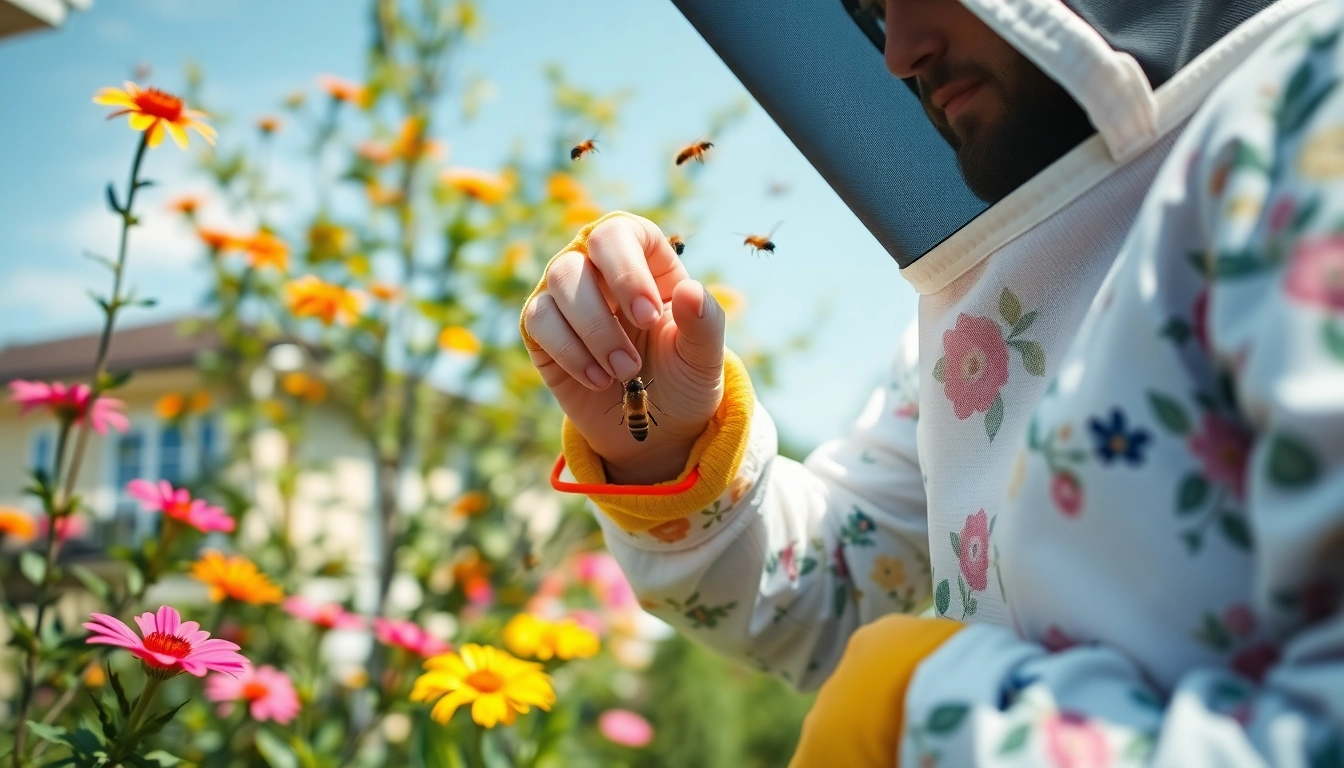
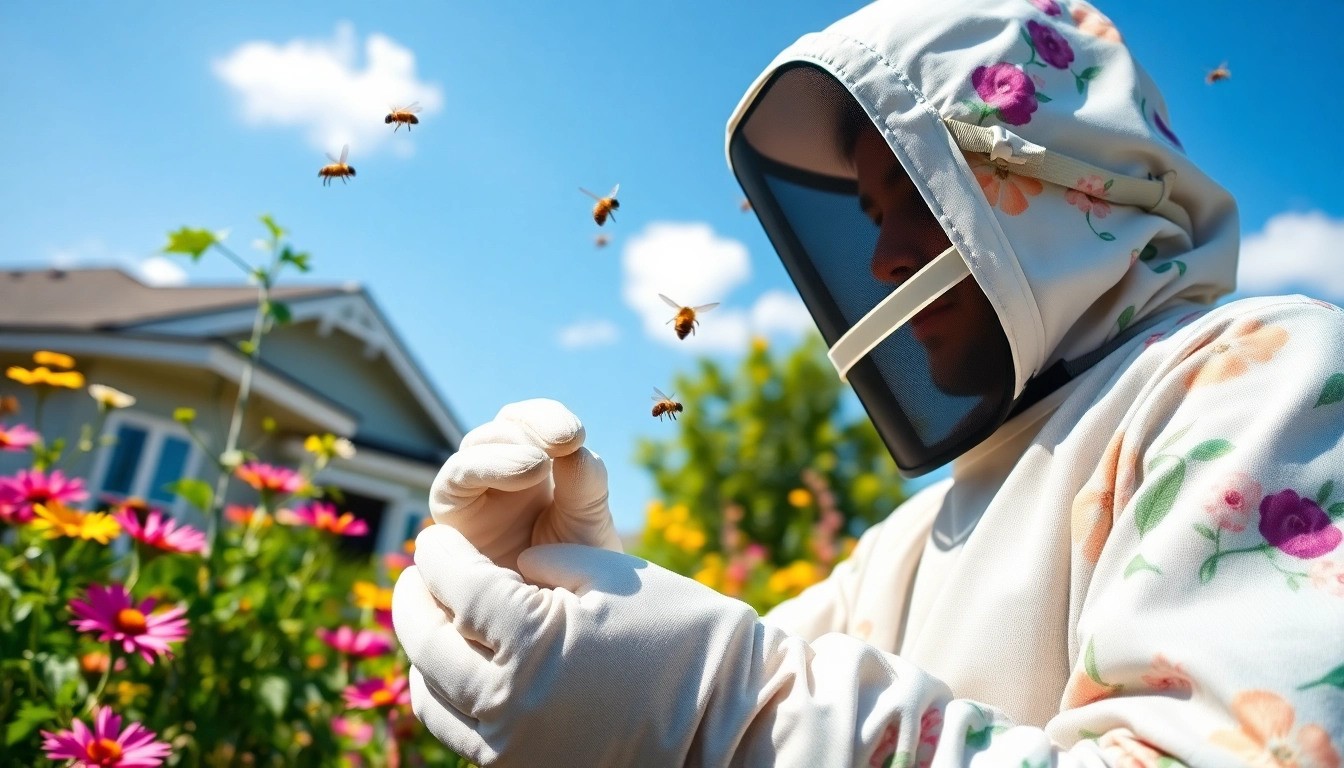
Live bee removal is a humane method of relocating honey bees or other beneficial bee species from unwanted locations, such as residential areas. Unlike extermination, live bee removal focuses on preserving the bee community, which plays a critical role in pollination and maintaining ecological balance. The importance of this method lies in its ability to protect these essential insects while also ensuring human safety in cases where bee populations encroach on human habitats.
When is Live Bee Removal Necessary?
Live bee removal becomes necessary when bees establish colonies in places that pose a threat to human safety, such as inside walls, attics, or near frequently traveled areas. Recognizing bee activity early on is crucial; unattended hives can lead to increased aggression from the bees, leaving neighbors and pets at risk. Furthermore, removing these bees live promotes biodiversity and is more sustainable.
Benefits of Live Bee Removal
Opting for live bee removal fosters ecological health by preserving bee populations that are essential for pollination. Additionally, live removal supports local beekeepers and enhances community awareness about bee conservation. It reduces the risk of legal implications related to pest control regulations while offering peace of mind, knowing that the bees will continue to thrive in a more suitable environment.
Preparing for Live Bee Removal
Identifying Bee Species
Before initiating any removal process, it is essential to correctly identify the species of bee involved. Honey bees, bumblebees, and carpenter bees each have distinct behaviors and habitats, requiring different approaches for humane removal. Knowledge of bee characteristics helps in ensuring that the right methods and tools are employed for effective removal.
Assessing the Location of the Hive
Conducting a thorough assessment of the hive’s location is critical. Look for signs of bee activity around potential nesting sites, such as entry points or flight paths. The accessibility of the hive plays a significant role in removal decisions; hives located in difficult-to-reach areas might require the assistance of professionals. Understanding the layout allows for planning a safer, more effective removal strategy.
Gathering Required Tools
Gathering the proper tools beforehand is essential for a successful live bee removal. Essential equipment includes protective clothing, bee boxes for transport, and hive tools for manipulation. Alternative methods like using natural repellents or humane traps can also be employed, depending on the situation. Preparedness not only ensures a smooth operation but also helps reduce stress on the bees.
Techniques for Effective Live Bee Removal
Humane Trapping Methods
Using humane traps is one of the most effective techniques for live bee removal. These traps vary in design but typically involve baiting bees into a container from which they cannot escape. Applying specific attractants like sugar water or pheromones can significantly increase success rates. It’s essential to monitor these traps frequently to ensure the bees are removed promptly and are not kept in confinement for too long.
Using Natural Repellents
Natural repellents, such as essential oils, can be used to encourage bees to leave a particular area without causing harm. Scents like peppermint or citronella are known to deter bees, allowing for a more non-invasive approach to hive relocation. However, this method may not be as effective for established hives and is best when used as a preventative measure.
Employing Professional Services
Sometimes, the best approach is to enlist the help of professional beekeepers or pest control experts who specialize in live bee removal. Professionals are equipped with the right skills and tools to safely relocate hives, especially from tricky locations like inside walls or attics. They can also provide follow-up evaluations to ensure that the problem does not reoccur.
Post-Removal Considerations
Ensuring No Return of Bees
After the successful removal of a bee hive, precautions should be taken to prevent the bees from returning. Closing off entry points, filling gaps, and repairing any structural damages ensure that the area is completely secured. Watching for any signs of returning bee activity is crucial, as this could indicate an incomplete removal.
Repairing Damage after Hive Removal
Hive removal can often leave behind damage to the structure or surrounding area. It is important to make necessary repairs to ensure the integrity of your home while also providing a clean slate for future living conditions. Reinforcing structures where hives were present can further deter bees from returning and help maintain the aesthetic of your property.
Creating a Bee-Friendly Environment
Creating a bee-friendly environment contributes positively to the local bee population. Planting wildflowers and native plants that attract bees can help restore any ecological balance disrupted by removal. This not only aids in pollination but also promotes biodiversity in your local environment, instilling a community-oriented approach towards bee conservation.
Common Questions About Live Bee Removal
What should I do if I find a bee swarm?
If you encounter a bee swarm, it’s best to leave them alone and contact a local beekeeper or pest control service. Swarming is a natural process, and bees are generally docile during this time. A professional can safely remove and relocate them to an appropriate habitat.
Will beekeepers remove bees for free?
Many beekeepers will remove swarms for little to no charge, especially if easily accessible. However, costs may arise if specialized equipment is required or if bees are located in hard-to-reach places, such as within walls.
How much does live bee removal typically cost?
Costs for live bee removal can vary widely depending on factors such as location, hive size, and accessibility. Simple swarm removals might range from $100 to $300, while established hives may increase in complexity and cost, sometimes reaching up to $1,500 or more.
Can I attempt live bee removal myself?
While DIY removal is possible, it is often not recommended due to safety concerns and the risk of harming the bees. Having the right knowledge and equipment is essential. Consulting with professionals ensures a safer and more effective outcome.
What are the risks of not removing a bee hive?
Failing to remove a bee hive can lead to increased aggression from bees, stings, and potential damage to property. Moreover, an intact hive can attract pests and create sanitation issues. Live bee removal ensures public safety and protects the natural ecosystem.