Understanding Crawl Space Restoration
Crawl space restoration is a crucial service for homeowners seeking to ensure the integrity and health of their homes. This area, often neglected, serves as a vital part of the structure's foundation. Proper restoration can prevent costly damages while enhancing the overall living environment. Explore the essential aspects of Crawl Space Restoration to understand why it should be on every homeowner's radar.
What is Crawl Space Restoration?
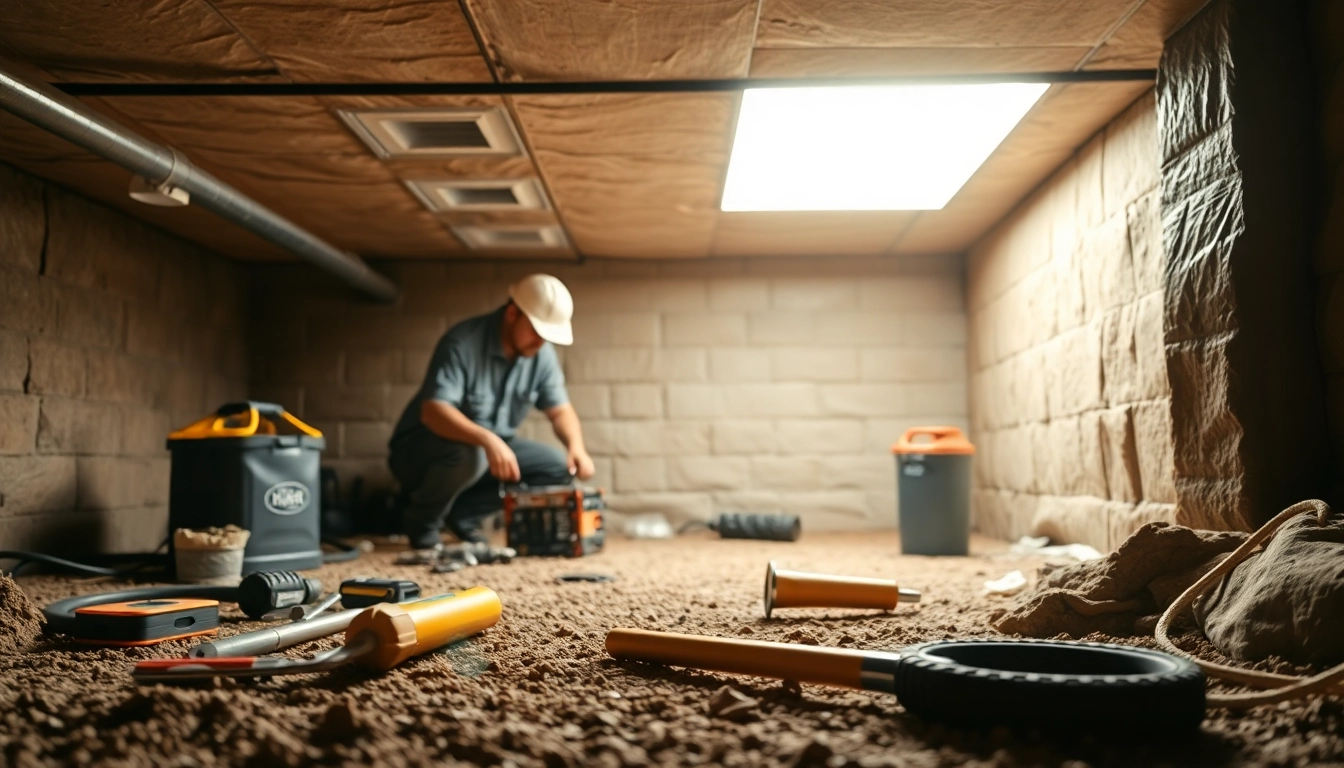
Crawl space restoration involves a series of actions aimed at repairing, cleaning, and reinforcing the often-utilized but overlooked area beneath a home. The process includes the removal of debris, mold, pests, and any structural damage. Its ultimate goal is to create a clean, dry, and protected space that supports the entire building’s integrity.
Why is Crawl Space Restoration Important?
The importance of crawl space restoration lies in its impact on both health and property value. Ignoring this area can lead to significant issues, including:
- Structural Damage: Water, mold, and pests can compromise the foundation, leading to costly repairs.
- Indoor Air Quality: Mold spores and polluted air can enter living spaces, affecting health.
- Energy Efficiency: Insufficient insulation in the crawl space can lead to increased heating and cooling costs.
- Home Value: A well-maintained crawl space improves resale value and appeal to potential buyers.
Common Issues Needing Restoration
Homeowners frequently encounter various issues that necessitate crawl space restoration:
- Mold Growth: Moisture accumulation can lead to mold, impacting both structure and health.
- Animal Infestation: Pests like rodents or insects often invade crawl spaces, causing damage and hygiene issues.
- Water Damage: Poor drainage can result in water pooling, damaging insulation and wood.
- Airflow Issues: Incorrect ventilation can trap humidity, fostering an unhealthy environment.
Evaluating Your Crawl Space
Assessing Damage and Repairs
The initial step in crawl space restoration is to assess the extent of damage. This includes inspecting for structural problems, moisture intrusion, and the presence of pests or mold. Regular inspections can help catch these issues early, minimizing repair costs.
Identifying Pests and Mold
Identifying pests and mold is crucial during evaluation. Mold thrives in humid environments, and its presence can indicate underlying moisture problems. Common signs include:
- Visible Mold: Green, black, or white spots on surfaces.
- Foul Odor: A musty smell can signal mold presence.
- Pest Droppings: Signs of rodents or insects indicate an infestation.
Understanding Moisture Issues
Moisture issues are typically the root cause of many crawl space problems. It is essential to identify sources of moisture, whether it's through poor drainage systems, leaks, or high humidity levels. Maintaining proper humidity levels (ideally between 30% and 50%) is critical for a healthy crawl space.
Steps in the Restoration Process
Cleaning and Removing Debris
The first step in the restoration process is cleaning the crawl space. This involves removing any debris, old insulation, or contaminated materials that can harbor pests or mold. Proper disposal methods must be employed to avoid further contamination.
Encapsulation Solutions
Encapsulation is a highly effective method to mitigate moisture and improve air quality. This process involves sealing the crawl space with a heavy-duty vapor barrier, which prevents moist air from entering and protects the area from water damage. It not only enhances the comfort of the home but also improves energy efficiency.
Insulation and Ventilation Improvements
Improving insulation and ventilation is essential for maintaining a stable environment. Proper insulation can minimize heat loss, while adequate ventilation ensures airflow, reducing humidity levels. These improvements foster a healthier crawl space, ultimately benefiting the entire home.
Cost Factors in Crawl Space Restoration
Understanding Pricing Estimates
The cost of crawl space restoration can vary significantly based on factors such as the size of the area, the extent of damage, and the methods used for restoration. Basic cleaning might start at a few hundred dollars, while extensive repairs, including encapsulation and insulation, could reach several thousand.
DIY vs. Professional Services
While some homeowners may consider DIY solutions, crawl space restoration often requires specialized knowledge and equipment. Hiring professionals ensures thorough and safe execution, reducing risks of further issues. Evaluating your skills and the complexity of the job is essential in deciding between DIY and professional services.
Budgeting for Restoration
Planning for crawl space restoration should include a detailed budget that accounts for all potential costs. It may be wise to set aside funds for unexpected repairs that may arise during the restoration process. Securing multiple estimates from professionals can help make well-informed decisions.
Maintaining Your Crawl Space
Regular Inspections and Maintenance
After restoration, regular inspections are vital to ensure continued integrity. Homeowners should schedule annual assessments and address any issues immediately. Simple maintenance, such as cleaning gutters and checking for leaks, can prevent more severe problems down the line.
Preventing Future Damages
Preventative measures are crucial in maintaining a healthy crawl space. Installing sump pumps, dehumidifiers, and ensuring proper drainage can mitigate moisture-related issues. Additionally, keeping the area clean and debris-free can significantly reduce pest infestations and mold growth.
Helpful Tips for Homeowners
Here are some actionable tips for homeowners looking to maintain their crawl spaces:
- Check for leaks regularly and seal any cracks.
- Control humidity with dehumidifiers, especially in damp climates.
- Insulate pipes to prevent condensation.
- Consider installing a drainage system for excess water.
- Seek professional help if you find signs of significant damage or infestation.
Frequently Asked Questions
1. What are signs that my crawl space needs restoration?
Look for visible mold, foul odors, rotting wood, and pest infestations. Excess moisture and humidity also indicate the need for restoration.
2. Is crawl space restoration a DIY project?
While minor tasks can be DIY, major repairs and encapsulation should be handled by professionals to ensure safety and effectiveness.
3. How often should I inspect my crawl space?
It is advisable to inspect your crawl space at least once a year or after severe weather events to catch any potential issues early.
4. Can crawl space restoration improve my home’s value?
Yes, a clean and well-maintained crawl space can enhance your home’s value and appeal to potential buyers.
5. What is encapsulation?
Encapsulation is the process of sealing the crawl space with a vapor barrier to prevent moisture intrusion and improve air quality.