Understanding Polymer 80 Kits
What is Polymer 80?
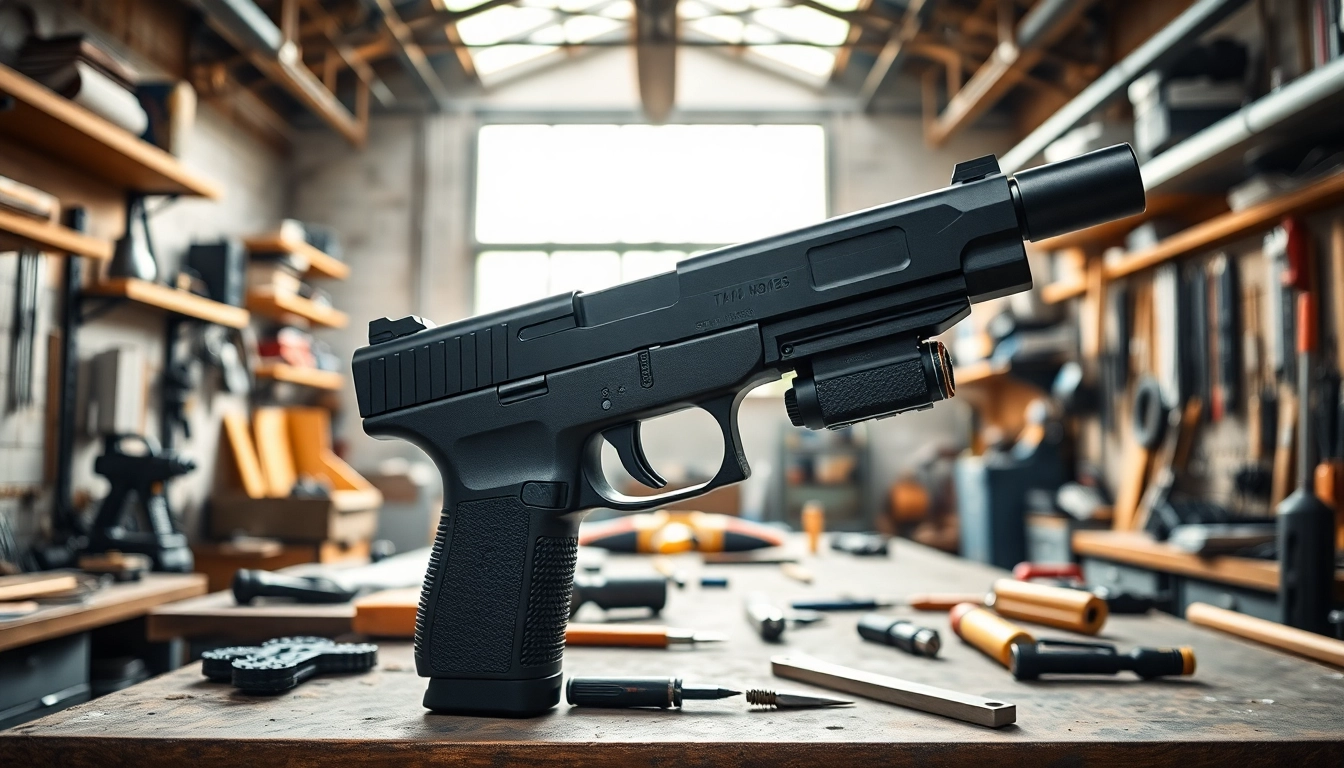
At the heart of the DIY firearms movement lies polymer 80, a term widely recognized among firearm enthusiasts. Polymer 80 refers to an innovative line of firearm kits and components that allow individuals to complete their own frames, commonly known as "80% lowers." These components provide a unique avenue for customizing one's firearm, which appeals to both hobbyists and serious enthusiasts alike. By enabling builders to use unassembled frames, polymer 80 provides the opportunity to create a firearm that reflects personal aesthetics and functional preferences.
Components of a Polymer 80 Kit
A polymer 80 kit typically comprises several essential components required to complete a firearm build. These components include:
- Frame: The core component, often made of polymer, which houses all other parts.
- Jig: A critical tool for guiding the drill and helping in the milling process to ensure precision.
- Parts Kit: Includes essential parts like the slide, barrel, trigger assembly, and other internal mechanisms.
- Instructions: Detailed guidelines for assembly, specific to each model of the kit.
Each part is integral to the assembly process, and the quality of these components directly influences the final product's reliability and performance.
Legal Considerations for Polymer 80
When engaging with polymer 80 kits, understanding the legal landscape is crucial. In the United States, laws regarding the sale and ownership of 80% lowers vary by state. While many states allow the purchase and assembly of such kits, some areas have enacted restrictions or outright bans, particularly in response to growing concerns over untraceable firearms. Always verify local laws before embarking on a polymer 80 project to ensure compliance and to avoid potential legal repercussions.
Benefits of Building with Polymer 80
Customization Options
One of the standout features of polymer 80 kits is the extensive customization options available. Builders have the freedom to modify their firearms aesthetically and functionally. From selecting colors and finishes to upgrading components such as grips or sights, the personal touch defines each build. This level of customization is not feasible with mass-produced firearms, allowing enthusiasts to create a setup that fits their specific wants and needs.
Cost-Effectiveness
Building a firearm with polymer 80 can often be more cost-effective than purchasing a fully assembled model. By eliminating retail markups and certain manufacturing costs, DIY builders can save a significant amount of money. Furthermore, by opting for components that match their budget and preferences, builders can achieve a high-quality firearm without breaking the bank.
Building Experience and Skills
Engaging in a polymer 80 build is more than just assembling parts; it is an educational experience. Many builders acquire new technical skills, including machining, assembly, and troubleshooting. This hands-on experience fosters a deeper understanding of firearm mechanics, enhancing both safety and competence. For many, the act of building their own firearm is rewarding and fulfilling, creating a strong personal connection to the finished product.
Assembly Process of Polymer 80 Kits
Essential Tools for Assembly
Successful assembly of a polymer 80 kit requires specific tools. Essential items include:
- Drill Press: For precise drilling into the frame using the jig.
- Router or Dremel Tool: For shaping and finishing the lower receiver.
- Torque Wrench: To ensure components are fastened to manufacturer specifications.
- Various Drill Bits: A set of bits is necessary for different sizes of holes.
- Safety Gear: Safety glasses and gloves are crucial for personal protection during assembly.
Step-by-Step Assembly Guide
The assembly process of a polymer 80 kit can be summarized in a series of steps:
- Preparation: Ensure all tools are ready and workspace is organized.
- Secure the Jig: Attach the jig to the polymer frame to guide your drilling.
- Drill Assembly Holes: Using your drill press, create holes according to the jig’s specifications.
- Shape the Frame: Use the router or Dremel tool to refine the shape of the frame and fit internal components.
- Install Components: Begin assembling internal parts, ensuring each is properly secured.
- Final Assembly: Attach the slide, barrel, and complete any remaining installations.
- Testing: Conduct thorough function tests to ensure everything operates smoothly and safely.
Common Mistakes to Avoid
While assembling a polymer 80 kit can be straightforward, there are common pitfalls to watch for, such as:
- Inadequate Preparation: Failing to organize tools and materials can lead to confusion and mistakes.
- Ignoring Instructions: Skipping or misunderstanding the supplied instructions could result in improper assembly.
- Over-Drilling: Applying too much pressure when drilling can damage the frame.
- Neglecting Safety: Always prioritize safety gear and cautious handling.
Maintenance and Care for Polymer 80 Builds
Best Practices for Maintenance
To ensure the longevity and reliability of your polymer 80 build, consider the following maintenance practices:
- Regular Cleaning: Establish a routine cleaning schedule to remove debris and prevent rust.
- Visual Inspections: Regularly check for wear and tear, especially on critical components.
- Lubrication: Apply appropriate lubricants to moving parts to ensure smooth operation.
Upgrading Your Polymer 80
Building your polymer 80 is just the beginning. Enthusiasts often choose to upgrade their builds over time, focusing on enhancements such as:
- Trigger Systems: Upgrading to a superior trigger can enhance performance and shooting experience.
- Sights and Optics: Investing in better sights or mounting optics improves accuracy and shooting comfort.
- Grips and Textures: Customizing grips makes handling more comfortable and secure.
Safety Protocols when Handling Firearms
Safety should always be the top priority when handling any firearm, including polymer 80 builds. Follow these essential protocols:
- Always Treat Firearms as Loaded: This fundamental rule ensures constant vigilance.
- Point Firearms in a Safe Direction: Ensuring the muzzle is directed away from people and sensitive areas.
- Maintain Proper Storage: Store firearms securely and out of reach from unauthorized users.
Frequently Asked Questions About Polymer 80
Are Polymer 80 Kits Still Legal?
Yes, polymer 80 kits remain legal in many states, although regulations vary dramatically by region. It is crucial to check local laws before purchasing or assembly.
How Reliable are Polymer 80 Builds?
Polymer 80 builds can be highly reliable if assembled correctly. Quality control during assembly, choice of components, and adherence to specifications play significant roles in performance.
Can I Customize My Polymer 80?
Absolutely! Polymer 80 kits are designed for customization, allowing you to select colors, grips, and parts that align with your preferences and shooting style.
What Tools Do I Need for Assembly?
Essential tools include a drill press, router or Dremel tool, various drill bits, a torque wrench, and safety gear for personal protection during assembly.
How Long Does It Take to Complete a Polymer 80 Build?
The time to complete a polymer 80 build can vary based on skill level and complexity but typically ranges from a few hours to a full day, depending on familiarity with tools and instructions.