

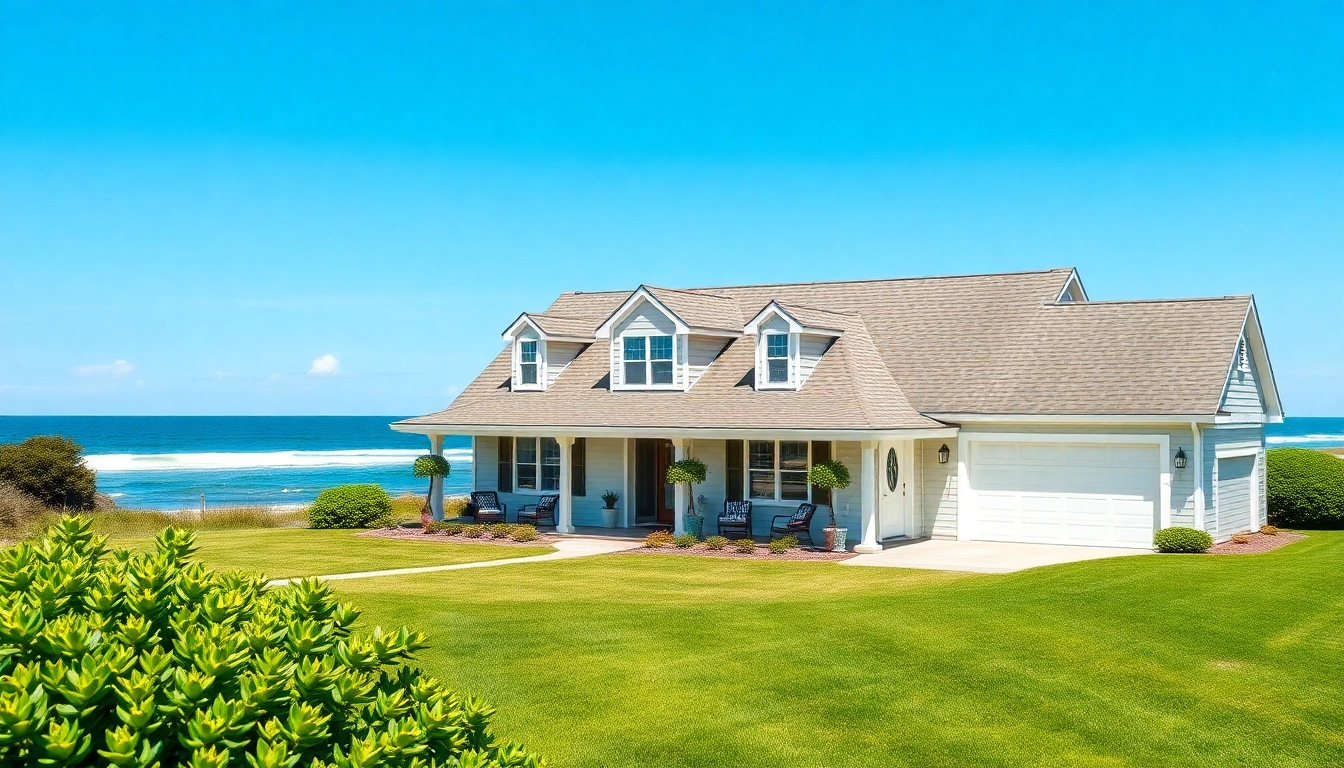
Understanding Cape Cod Home Architecture
The cape cod home has a rich history that is deeply intertwined with the cultural and architectural evolution of New England. These homes are characterized by their simplistic yet charming design, a style that has both historical significance and modern adaptations.
Historical Significance of Cape Cod Homes
Originating in the early 17th century, Cape Cod homes were adapted to the harsh northeastern climate. The style is rooted in colonial architecture, designed primarily for practicality. The steeply pitched roof was not only an aesthetic choice but also a functional one, allowing snow to slide off and preventing accumulation. The symmetrical design and central chimney served to maximize interior space and promote efficient heating.
As settlers faced the elements, these homes became a symbol of resilience. The original Cape Cod homes were often small, one or one-and-a-half story structures, using local materials, primarily wood, which were abundant in the region. Over the centuries, this architectural style has retained its popularity, evolving to meet modern needs while maintaining its historical essence.
Key Features of Cape Cod Design
Key elements that define Cape Cod architecture include:
- Steep Roofs: This signature feature not only contributes to the home’s aesthetic appeal but also serves as a functional design for snow and rain drainage.
- Dormer Windows: These not only provide additional light and ventilation but also add character to the home’s facade.
- Symmetry: The front elevations are typically symmetrically arranged, with central entrances and evenly spaced windows.
- Wood Siding: Traditionally, homes featured clapboard siding painted in muted tones that blend with the coastal environment.
- Front Porches: These welcoming spaces offer an inviting transition between the outdoors and indoors.
Modern Adaptations of Cape Cod Style
Contemporary interpretations of the Cape Cod style embrace the traditional elements while incorporating modern materials and technologies. Many homeowners now opt for energy-efficient windows and sustainable materials that still reflect the original aesthetic. Open floor plans are becoming more common, allowing for natural light and a cohesive living space. Additionally, the use of light colors and coastal themes in interiors enhances the overall charm while meeting modern lifestyle demands.
Designing an Attached Garage for Your Cape Cod Home
Incorporating an attached garage into your Cape Cod home can enhance its functionality and aesthetic appeal. This decision requires careful planning to ensure it aligns with the home’s architectural features.
Benefits of an Attached Garage
Having an attached garage offers several significant benefits:
- Convenience: Direct access from the garage to the home provides ease during inclement weather, making it hassle-free to unload groceries or manage daily activities.
- Improved Aesthetics: A well-designed garage can enhance the overall look of your home, contributing to a cohesive facade.
- Security: Keeping vehicles inside a garage reduces the risk of theft and protects against harsh weather conditions.
- Increased Property Value: An attached garage can be an attractive feature for potential buyers, often allowing for a higher resale value.
Design Considerations for Cohesion
When designing an attached garage, ensure it harmonizes with your Cape Cod home’s existing architecture. Consider the following:
- Architectural Consistency: Use similar materials, colors, and elements that reflect the original design to create a seamless transition.
- Roof Lines: The roof of the garage should match the pitch and design of the home’s roof to maintain uniformity.
- Windows and Doors: Incorporate similar window styles and door designs to uphold the architectural integrity of the home.
Materials and Aesthetics for Garage Construction
Choosing the right materials for your attached garage is crucial for both durability and appearance. Consider using:
- Wood or Vinyl Siding: Match the garage siding to the home’s existing materials for a cohesive look.
- Steel or Wood Garage Doors: Select styles that complement the architectural features of your home, like raised panels or carriage-house designs.
- Lighting: Enhance the garage’s appeal with outdoor lighting fixtures that match your home’s exterior, providing both safety and ambiance.
Enhancing Curb Appeal of Your Cape Cod Home
Curb appeal is vital for creating a welcoming atmosphere for your Cape Cod home. Thoughtful landscaping and design choices can significantly impact the first impression your property makes.
Landscaping Ideas to Complement Architecture
Selecting the right plants and landscaping features can enhance the natural beauty of your Cape Cod home. Consider:
- Native Plants: Use flowering shrubs and perennials that thrive in your region, reducing maintenance while adding visual interest.
- Pathways: Include stone or gravel paths that lead to your entrance, which can guide visitors and create a cohesive flow.
- Seasonal Color: Plant a variety of flowers that bloom at different times of the year to ensure year-round beauty.
Color Palettes and Exterior Finishes
Choosing the right color palette can significantly enhance the aesthetic appeal of your Cape Cod home. Soft, muted tones like blues, grays, and creams often reflect the coastal vibe. Consider using the following:
- Paint Colors: Light hues can help reflect sunlight and keep your home cool, while darker shades may add depth and elegance.
- Shutters: Adding contrasting shutters can further accentuate your home’s windows and enhance its character.
- Natural Materials: Prioritize using wood and stone finishes for an organic, timeless look that complements the surrounding landscape.
Lighting Elements to Highlight Features
Effective lighting is essential for accentuating the features of your Cape Cod home. Ideas include:
- Exterior Wall Lights: Install fixtures that highlight architectural details while ensuring safe navigation around the property.
- Path Lighting: Use low-voltage lights along pathways and driveways to create a warm, inviting atmosphere.
- Spotlights: Illuminate trees, shrubs, or architectural features to create visual interest and enhance nighttime aesthetics.
Interior Design Tips for a Cape Cod Home
The interior of your Cape Cod home should reflect the relaxed and inviting atmosphere characteristic of coastal living. Here are some essential design tips to consider.
Open Floor Plans and Natural Light
In a Cape Cod home, achieving an open floor plan can enhance the flow of natural light and create a sense of spaciousness. Consider:
- Removing Walls: If possible, consider an open kitchen and living space that encourages social interaction and a continuous flow.
- Large Windows: Incorporate ample windows and sliding doors that allow natural light to flood the interior, making the space feel airy and bright.
- Strategic Layout: Position rooms to maximize views of the outdoors, integrating the natural landscape into your daily living environment.
Choosing Functional and Elegant Furnishings
Selecting the right furnishings is crucial for blending functionality with an elegant aesthetic in your Cape Cod home. Tips to consider include:
- Multi-functional Pieces: Opt for furniture that serves multiple purposes, such as a coffee table with storage or a daybed in a guest room.
- Natural Materials: Incorporate furnishings made from wood and wicker, which resonate with the Cape Cod style and provide a coastal vibe.
- Comfortable Textiles: Choose soft fabrics, like cotton and linen, in light colors to enhance the inviting atmosphere.
Using Coastal Themes in Decor
Implementing coastal decor can enhance the relaxed and serene atmosphere of your Cape Cod home. Consider these ideas:
- Color Palette: Use a palette reminiscent of the beach—blues, whites, and sandy hues—throughout your decor.
- Art and Accents: Incorporate art pieces and decor items that reflect maritime themes, such as shells, nautical images, or coastal landscapes.
- Textured Elements: Use textures like jute rugs or linen curtains to enhance the coastal feel while adding depth to your interior.
Maintenance and Sustainability for Cape Cod Homes
Maintaining the beauty of your Cape Cod home involves regular upkeep and consideration of sustainable practices that can enhance its longevity and efficiency.
Regular Exterior Maintenance Tips
To preserve the integrity of your Cape Cod home, it is essential to engage in regular maintenance. Key tasks include:
- Inspecting Roofs and Gutters: Regularly check for damage or clogs that could lead to leaks or water damage.
- Repainting and Resealing: Keep the exterior paint fresh and the wood sealed to protect against the elements and decay.
- Cleaning Windows and Screens: Maintain clear views and light flow by regularly cleaning windows and screens, especially after storms.
Eco-friendly Upgrades for Modern Living
Incorporating eco-friendly materials and technologies can enhance the sustainability of your home. Consider:
- Energy-efficient Windows: Install double or triple-glazed windows to improve insulation and reduce heating costs.
- Solar Panels: Evaluate the feasibility of solar panels to reduce reliance on fossil fuels and lower energy bills.
- Low-flow Fixtures: Upgrade plumbing fixtures to low-flow options, conserving water without sacrificing performance.
Creating a Sustainable Outdoor Space
Your outdoor space can also reflect sustainable practices. Ideas include:
- Rain Gardens: Design rain gardens to manage stormwater runoff and support local ecosystems.
- Native Plant Landscaping: Use native plants in landscaping to minimize water usage and attract local wildlife.
- Composting: Create a compost area to recycle organic waste, enriching your garden soil naturally.
FAQs
What defines a Cape Cod home?
A Cape Cod home is characterized by its steep roof, symmetrical design, and dormer windows, often reflecting New England colonial architecture.
What are the benefits of an attached garage?
An attached garage provides convenient access, improved home security, and can enhance the overall aesthetic of your cape cod home.
How can I increase my property’s curb appeal?
Consider landscaping with native plants, using a fresh color palette, and incorporating attractive outdoor lighting to boost your cape cod home’s curb appeal.
What interior styles work well in a Cape Cod home?
Light colors, natural materials, and coastal décor complement the Cape Cod aesthetic, promoting a relaxed yet stylish environment.
How do I maintain a Cape Cod home?
Regularly inspect and repair the roof, siding, and windows. Invest in quality materials for long-lasting sustainability and consider eco-friendly upgrades.