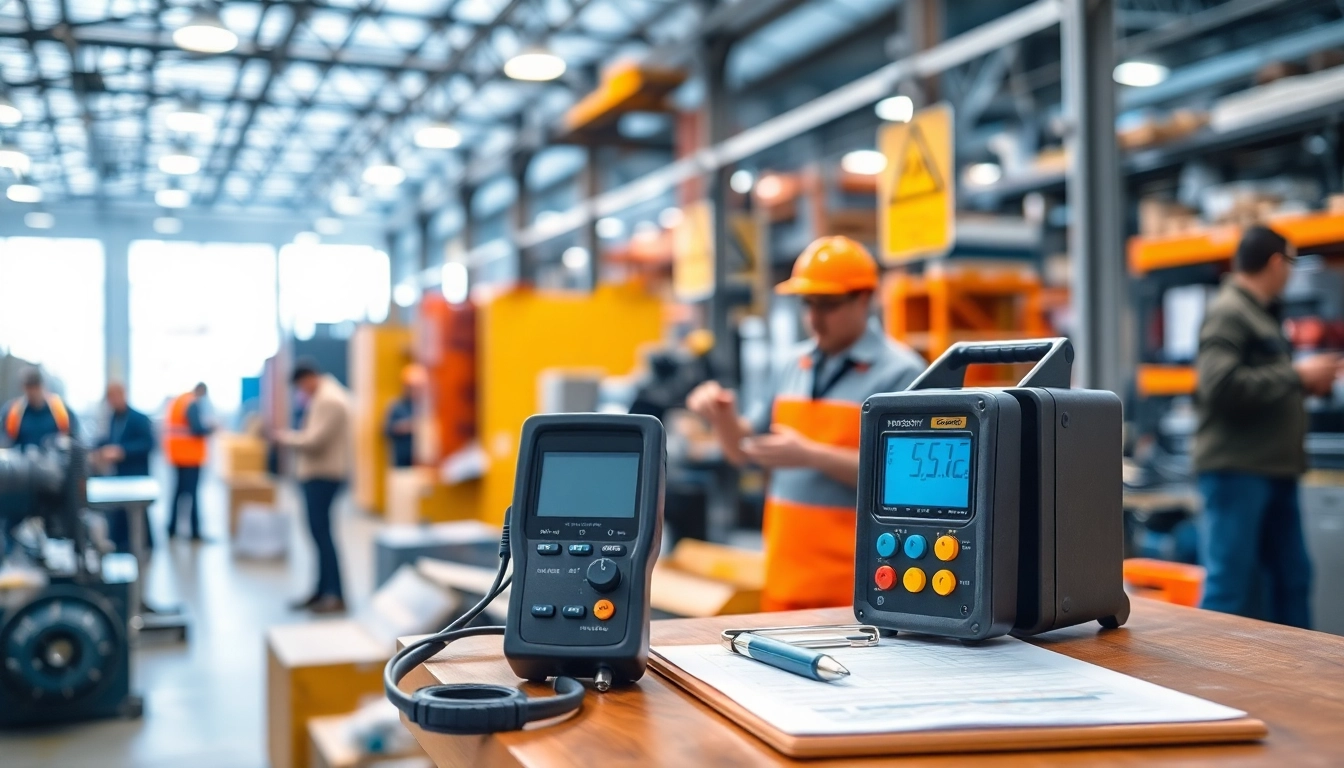
Understanding Noise Assessment Survey
Definition and Purpose of Noise Assessment Survey
A noise assessment survey is a systematic method of measuring, analyzing, and interpreting noise levels within a specified environment. The primary aim is to identify sources of noise, assess their intensity, and determine their potential impact on human health and the environment. Utilizing a combination of quantitative measurements and qualitative assessments, this survey serves various industries, including construction, manufacturing, and entertainment, ensuring compliance with regulatory standards and promoting a safer workplace.
Through the completion of a noise assessment survey, organizations can gauge exposure levels, strategize effective noise control methods, and enhance overall safety protocols. Furthermore, these surveys help in making informed decisions related to noise mitigation strategies, thus fostering healthier environments for employees and nearby communities.
Importance in Occupational Health
Noise exposure in the workplace can lead to a variety of health problems, including hearing loss, stress-related illnesses, and decreased productivity. Understanding the significance of noise assessment surveys is crucial for maintaining occupational health. Regular assessments can help companies to identify high-noise areas, implement appropriate controls, and ultimately create a safer work atmosphere.
Research indicates that prolonged exposure to noise levels above 85 dBA can result in hearing damage. Therefore, conducting these surveys not only ensures compliance with health and safety regulations such as OSHA standards but also demonstrates an organization’s commitment to employee well-being.
Legal Standards and Guidelines
Various regulatory entities, including the Occupational Safety and Health Administration (OSHA) and the Environmental Protection Agency (EPA), have established legal noise level standards that employers must adhere to for the protection of their employees. According to OSHA, if employee exposure exceeds permissible noise levels, employers must implement a hearing conservation program. The legal framework serves as a guideline for organizations to conduct noise assessments effectively, ensuring they meet required health and safety standards while minimizing risks associated with noise exposure.
Types of Noise Assessment Surveys
Short-term vs. Long-term Noise Assessment Surveys
Noise assessment surveys can be broadly categorized into short-term and long-term surveys, each serving distinct purposes. Short-term surveys typically involve data collection over a limited period, usually ranging from a few hours to a few days, providing a snapshot of noise levels in a specific environment. This type is especially useful for identifying immediate noise sources, evaluating compliance with regulations, and obtaining measurements before or after specific events that might influence noise levels.
In contrast, long-term noise assessment surveys extend over extended periods, often spanning weeks or even months. These surveys offer a comprehensive analysis of noise exposure trends and patterns, providing organizations with valuable insights into noise levels during different times of day or under varying operational conditions. They are particularly beneficial for continuous monitoring in industrial settings.
Industrial versus Residential Noise Assessment Surveys
Noise assessment surveys can differ significantly depending on the environment being assessed, whether it be industrial or residential. Industrial noise assessments focus on workplaces such as factories, construction sites, and manufacturing plants. These surveys are critical for managing occupational health hazards, meeting workplace safety regulations, and facilitating the implementation of noise control measures.
Conversely, residential noise assessments target noise pollution in community settings, assessing the impact on local inhabitants and the environment. Typically aimed at evaluating the effects of traffic, construction, or recreational activities, residential noise surveys play a key role in urban planning and local government policy-making.
Specialized Surveys for Environmental Impact
Specialized noise assessment surveys are tailored to evaluate the environmental impact of noise generated from specific activities or projects. In sectors such as construction, land development, and transportation, these surveys help to determine the potential effects of noise on the surrounding community and wildlife. For instance, when planning new roads or industrial facilities, developers are often required to conduct environmental noise assessments to gauge how new projects will interact with the existing acoustic environment.
By performing these specialized surveys, organizations can identify noise mitigation strategies required to minimize disruptions and ensure compliance with local regulations and community standards.
Conducting a Noise Assessment Survey
Tools and Equipment for Accurate Measurement
To conduct an effective noise assessment survey, specialized tools and equipment are essential. Sound level meters are the primary instrument used in these surveys, designed to measure sound pressure levels in decibels (dB). Advanced sound level meters provide features such as frequency analysis, data logging, and real-time display of sound levels, which are vital for comprehensive noise analysis.
In addition to sound level meters, other accessories such as windshields, tripods, and integrating sound level meters enhance measurement accuracy. Data analysis software is also crucial for interpreting the raw data collected, enabling acoustic professionals to identify trends and generate reports that summarize findings effectively.
Steps in Performing a Noise Assessment Survey
Conducting a noise assessment survey involves following a series of methodical steps to ensure accurate results and compliance with regulatory standards:
- Define the Scope: Determine the objectives of the survey and the specific areas that require assessment.
- Choose Measurement Locations: Select locations where noise levels will be measured, considering all potential sources of noise.
- Prepare Equipment: Ensure all measuring devices are calibrated and ready for use to guarantee accuracy.
- Conduct Measurements: Take readings at various times of the day to capture a comprehensive understanding of noise levels.
- Analyze Data: Utilize software tools to analyze the collected data, identifying trends and comparing with regulatory standards.
- Report Findings: Compile a detailed report summarizing method, findings, and recommendations for noise mitigation where necessary.
Data Analysis and Interpretation
Data analysis is a critical component of noise assessment surveys, transforming raw measurement data into actionable insights. After collecting noise level measurements, acoustic professionals analyze the data to identify patterns, peak noise levels, and average noise exposure times. This analysis often involves statistical techniques to assess the data's variability and determine compliance with applicable standards.
Beyond mere compliance, interpreting the data allows organizations to assess the potential health risks posed by noise exposure and develop customized mitigation strategies to address identified issues. Clear and concise reporting also facilitates communication with stakeholders concerned about noise levels and their impacts.
Common Challenges in Noise Assessment Surveys
Identifying Noise Sources Effectively
One of the primary challenges in conducting a noise assessment survey involves accurately identifying noise sources. Complex acoustic environments may include numerous overlapping sounds, making it difficult to pinpoint specific contributors. Acoustic professionals may need to employ advanced techniques such as mapping noise sources or utilizing directional microphones to enhance specificity in data collection.
Implementing a systematic approach to categorizing noise sources based on their frequency, duration, and intensity can aid in this process, facilitating more effective analysis and reporting.
Overcoming Measurement Discrepancies
Measurement discrepancies can arise from various factors, including environmental conditions, equipment calibration, and human error. To mitigate these discrepancies, it is essential to calibrate all measuring devices consistently and adhere to standardized measurement protocols. Additionally, conducting multiple measurements over time can help to average out any anomalies introduced by external factors.
Training personnel involved in the measurement process is crucial to reducing human errors, ensuring that all team members understand equipment usage, data interpretation, and reporting standards.
Addressing Regulatory Compliance Issues
Compliance with regulatory standards often poses significant challenges for organizations conducting noise assessment surveys. Each industry may have its own set of noise regulations, and it is imperative to stay informed about any updates or changes to these laws.
Employing a dedicated compliance officer or consulting with acoustic experts who specialize in regulatory matters can help organizations navigate the complexities associated with compliance, ensuring that noise assessments not only satisfy mandated requirements but also contribute to improved workplace safety.
Implementing Findings from Noise Assessment Survey
Best Practices for Mitigating Noise Exposure
Implementing findings from noise assessment surveys is essential for creating a safer work environment. Best practices include:
- Engineering Controls: Modify equipment design or installation to reduce noise production.
- Administrative Controls: Adjust work schedules or processes to limit exposure to high-noise environments.
- Personal Protective Equipment (PPE): Provide hearing protection devices to employees working in noisy areas.
- Regular Monitoring: Continuously assess noise levels to ensure ongoing compliance and effectiveness of mitigation measures.
Communication Strategies with Stakeholders
Effective communication with stakeholders regarding noise assessment findings is paramount. This includes not only sharing the results with employees and management but also engaging with local communities and regulatory bodies. Transparency fosters trust and allows for collaborative efforts to develop further measures aimed at minimizing noise pollution and its impact.
Regular updates and discussions can empower stakeholders to contribute ideas for reducing noise and enhance commitment to overall noise management initiatives.
Long-term Monitoring and Follow-up Procedures
Noise assessment surveys are not one-time events but rather components of a continuous monitoring process. Implementing a long-term monitoring strategy allows organizations to track the effectiveness of implemented noise mitigation strategies over time. Periodic reassessments ensure that noise levels remain within permissible limits and help identify new sources of noise that may arise as organizational changes occur or new equipment is introduced.
Establishing a schedule for follow-up assessments as part of the organization's health and safety program ensures that noise management remains a priority, further solidifying the organizational commitment to worker safety and community welfare.