Understanding Intumescent Fireproofing
What is Intumescent Fireproofing?
Intumescent fireproofing is a passive fire protection system that utilizes specialized coatings designed to expand when exposed to high temperatures. This unique reaction significantly transforms the coatings into a thick, insulating char layer that effectively protects structural elements from the devastating effects of fire. Unlike traditional materials, these coatings can be applied directly to a variety of substrates, including steel and wood, making them a versatile solution for enhancing fire safety. As a leading approach in fire protection, intumescent fireproofing is vital in maintaining structural integrity during a fire event.
Benefits of Intumescent Fireproofing
Intumescent fireproofing offers numerous advantages that make it a preferred choice in various applications:
- Effective Fire Resistance: When heated, intumescent coatings expand to form a protective char that insulates substrates, thereby delaying structural failure during a fire.
- Aesthetic Versatility: Unlike more traditional methods that can appear bulky and unattractive, intumescent paints have a smooth finish that can be easily integrated into the building’s design.
- Lightweight Application: These coatings are significantly lighter than traditional cement-based fireproofing, making them easier to transport and apply.
- Eco-Friendly Options: Many intumescent products are designed to be water-based, minimizing VOC emissions and making them safer for both applicators and the environment.
- Cost-Effective Solution: Their ease of application and maintenance could lead to reduced labor costs over time, providing a valuable return on investment.
How Intumescent Fireproofing Works
The operation of intumescent fireproofing is based fundamentally on the principle of intumescence—a process characterized by the swelling of materials when subjected to heat. As temperatures rise, the coating expands, raising the layer's thickness while transforming into a non-combustible foam. This foam acts as a barrier, slowing the heat transfer to the underlying substrates, effectively preserving the structural integrity of beams, columns, and other critical infrastructure components.
This transformation not only protects the structural components from fire damage but also helps in protecting the occupants of the building by providing extended time for evacuation and reduced smoke and heat transfer.
Types of Intumescent Fireproofing Coatings
Water-Based vs. Solvent-Based Intumescent Fireproofing
Intumescent coatings can be broadly categorized into two main types: water-based and solvent-based formulations. Each type has its own unique properties and advantages:
- Water-Based Intumescent Coatings: These products are easily applied, quick drying, and often have low odor, making them ideal for indoor applications. They are less hazardous for the environment and have lower VOC emissions compared to solvent-based products.
- Solvent-Based Intumescent Coatings: While these coatings may provide superior bonding and durability, they generally require more careful handling due to the presence of solvents. Their ability to withstand harsh environmental conditions makes them suitable for outdoor applications.
Choosing the Right Intumescent Coating
Selecting the appropriate intumescent fireproofing system requires consideration of several factors including the substrate material, location, aesthetic preferences, and specific fire ratings required for the project. It is essential to consult with fire safety professionals and product specifications to ensure compliance with local building codes and standards. Key points to evaluate include:
- Fire Rating Requirements: Ensure that the chosen product meets or exceeds the fire resistance ratings specified for the building type.
- Environmental Conditions: Consider where the coating will be applied and whether indoor or outdoor conditions will affect the product's performance.
Comparing Intumescent Fireproofing to Other Methods
When evaluating fireproofing options, it is crucial to compare intumescent fireproofing with other common methods such as cementitious and spray-applied fire-resistive materials.
- Cementitious Fireproofing: Cementitious coatings are often thicker and provide robust fire resistance; however, they can be significantly heavier and less aesthetically pleasing. Additionally, they may require more labor-intensive installation.
- Spray-Applied Fire-Resistive Materials (SFRMs): Similar to cementitious options, SFRMs can also be bulky. Intumescent coatings can effectively serve as a lighter and more aesthetically pleasing alternative.
Application Techniques and Best Practices
Preparation of Substrates for Intumescent Fireproofing
Proper substrate preparation is vital for the successful application of intumescent fireproofing. The surface must be clean, and free from oil, rust, dust, or any contaminants that could impede adhesion. Strategies for effective preparation include:
- Surface Cleaning: Use appropriate solutions to cleanse the substrate thoroughly.
- Repairing Damage: Address any flaws such as cracks or chips that may compromise the coating's effectiveness.
- Priming: In some cases, applying a compatible primer enhances adhesion and overall performance.
Step-by-Step Guide to Applying Intumescent Fireproofing
The application of intumescent fireproofing involves meticulous steps to ensure the protection features work optimally:
- Prepare the Surface: Ensure the substrate has been cleaned and prepped.
- Apply Primer: If required, apply a coating primer and allow it to dry adequately.
- Mix the Coating: Follow manufacturer instructions for mixing the intumescent coating materials.
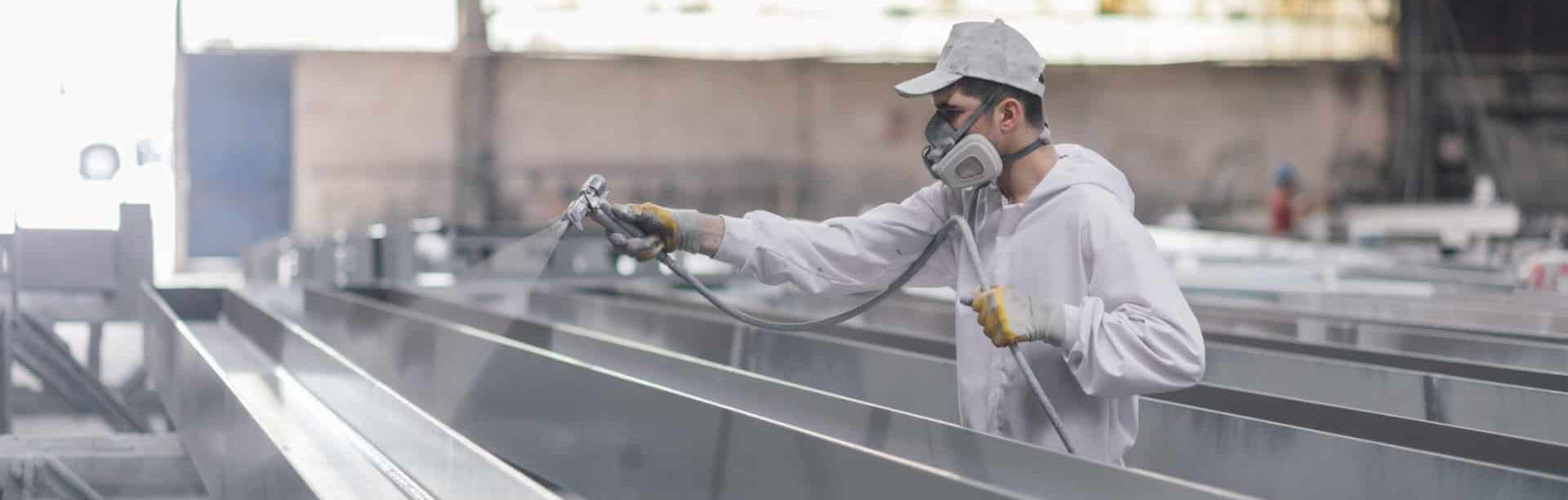
- Application: Use a spray gun, brush, or roller to apply the coating evenly, ensuring the appropriate thickness is achieved for fire rating compliance.
- Curing: Allow the coating to cure fully as per the manufacturer’s recommendations before exposing it to heat or fire.
Common Mistakes to Avoid
When applying intumescent fireproofing, establishing a consistent methodology is crucial. Here are a few common pitfalls to avoid:
- Inadequate Surface Cleaning: Poor preparation can lead to poor adhesion and decreased effectiveness.
- Not Meeting Thickness Requirements: Each application must meet specified thicknesses to ensure intended fire rating.
- Ignoring Curing Times: Ensure that the coating is allowed to cure fully; rushing this process can compromise safety.
Compliance and Standards in Intumescent Fireproofing
Understanding Fire Safety Codes
Fire safety codes form the backbone of construction regulations, ensuring that all materials used in building construction meet necessary safety standards. Understanding these codes is paramount for architects, builders, and contractors. Key elements include:
- Building Types: Different construction types require distinctive fire-resistance ratings.
- Local Regulations: Ensure compliance with local legislation and codes applicable to fireproofing.
Regulatory Approvals for Intumescent Products
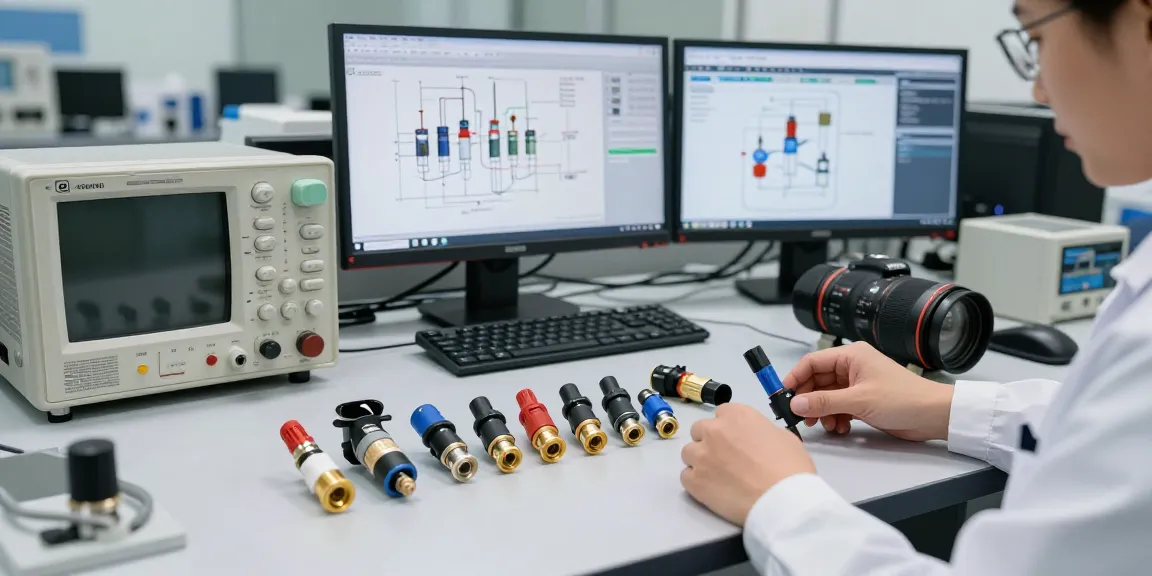
Intumescent fireproofing materials must often undergo rigorous testing to receive approvals and listings from relevant regulatory bodies. This assures users of the materials’ effectiveness under specified conditions and adherence to state and national standards.
The Importance of Testing and Certification
To safeguard the efficacy of intumescent fireproofing, rigorous testing and certification are essential. This process ensures that each product meets the defined safety and performance standards necessary to function in real fire scenarios and maintain structural integrity.
Future Trends in Intumescent Fireproofing
Innovations in Fireproofing Materials
The landscape of fireproofing materials continues to evolve with advancements in technologies and materials science. Innovations may include improved formulations with enhanced insulation properties, faster curing times, and reduced environmental impact without compromising performance.
Environmental Considerations for Intumescent Products
In recent years, the push for sustainable building materials has influenced the development of eco-friendly intumescent fireproofing options. These products focus on minimizing harmful emissions while offering reliable fire protection.
The Role of Technology in Fireproofing Applications
Emerging technologies play a pivotal role in enhancing the application and performance of intumescent fireproofing. Automation and smart monitoring techniques may help ensure optimal application conditions and effective performance tracking over time.
Frequently Asked Questions
What is intumescent fireproofing?
Intumescent fireproofing is a passive fire protection measure involving coatings that expand to form a protective layer when exposed to temperatures, shielding materials from fire damage.
How long does intumescent fireproofing last?
When properly applied and maintained, intumescent fireproofing can last for many years. Its longevity depends on environmental conditions and the substrate quality.
Can intumescent fireproofing be painted over?
Yes, intumescent fireproofing can be painted over. However, it is essential to use compatible paints that do not impair the fireproofing characteristics.
Is intumescent fireproofing suitable for all surfaces?
Intumescent fireproofing can be applied to many surfaces, including steel, wood, and other materials, but substrate preparation is crucial for effective adhesion.
What maintenance is required for intumescent fireproofing?
Regular inspections should be conducted to check for any damage or deterioration. Any compromised areas may require repair or reapplication to maintain fire protection levels.