Understanding Heating and Cooling Services
What Are Heating and Cooling Services?
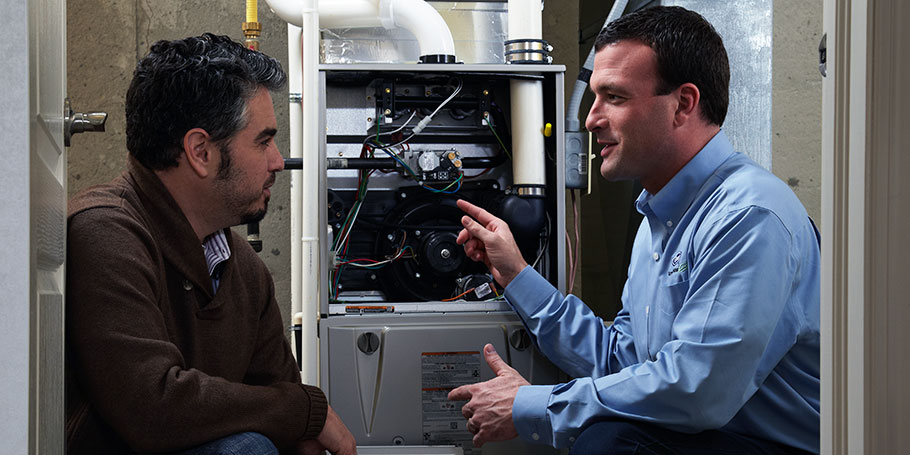
Heating and cooling services encompass a range of tasks related to the installation, maintenance, and repair of heating, ventilating, and air conditioning (HVAC) systems. These services are essential for creating a comfortable indoor environment, regulating temperatures, and ensuring optimal air quality. HVAC technicians are trained to work with various systems, including furnaces, air conditioners, heat pumps, and duct systems, focusing on ensuring these components operate safely and efficiently. Homeowners can seek heating and cooling services for everything from routine maintenance to emergency repairs.
Importance of Proper HVAC Maintenance
Maintaining your HVAC system is crucial for its longevity, efficiency, and performance. Regular maintenance helps identify potential issues before they escalate into costly repairs. Moreover, a well-maintained system operates more efficiently, reducing energy consumption and associated costs. Homeowners should consider investment in preventive measures, such as annual inspections and routine cleanings, as they can significantly prolong the lifespan of their equipment.
Common Heating and Cooling Issues
Several common problems may affect heating and cooling systems, including:
- Insufficient heating or cooling: This may stem from dirty filters, blocked ducts, or malfunctioning thermostats.
- Noisy operation: Unusual sounds can indicate mechanical issues or loose components.
- Air quality concerns: Poor air filters can lead to dust and allergens circulating in your home.
- Inconsistent temperatures: This may result from duct leaks or thermostat placement.
Choosing the Right Heating and Cooling Solutions
Types of Heating Systems
Heating systems vary widely to suit different needs and preferences. Common types include:
- Furnaces: These systems rely on combustion fuels or electricity to heat air, typically distributed through ducts.
- Heat Pumps: Utilizing electricity, heat pumps transfer heat from outside to inside, effective even in colder climates.
- Radiant Heating: This system heats surfaces, such as floors or walls, providing consistent warmth through direct radiation.
Types of Cooling Systems
Cooling systems are equally diverse. Understanding your options is vital for effective climate control. Some popular types are:
- Central Air Conditioning: This system cools air through refrigerant and distributes it via ducts, suitable for larger homes.
- Window Units: These compact AC systems cool single rooms and can be easily installed or removed.
- Portable AC Units: Offering flexibility, these units can be moved from room to room, requiring only a nearby power source.
Factors to Consider When Choosing Systems
Choosing the right heating and cooling system requires careful analysis of several factors:
- Home Size: Larger homes require more powerful systems or multiple units.
- Energy Efficiency: Consider models with high SEER (Seasonal Energy Efficiency Ratio) and AFUE (Annual Fuel Utilization Efficiency) ratings to save on utility bills.
- Climate: The climate in your area will significantly affect heat and cooling needs.
- Budget: Both initial costs and long-term operational costs should be considered to find the best value.
Benefits of Professional Heating and Cooling Services
Energy Efficiency Improvements
Hiring professionals for heating and cooling services can greatly enhance energy efficiency. Experts can perform comprehensive diagnostics to analyze your system’s efficiency and recommend upgrades or adjustments that improve overall performance. For example, they may suggest better insulation, sealing duct leaks, or upgrading to a more efficient unit. These improvements can lead to significant energy savings and lower utility bills over time.
Cost-Effective Solutions
Investing in professional services often translates to cost-effectiveness in the long run. Although initial service fees may be a concern, regular maintenance and timely repairs prevent costly breakdowns. Additionally, trained technicians can pinpoint issues that may not be immediately evident to the average homeowner, ensuring that you don’t end up paying for unnecessary parts or services.
Enhanced Indoor Air Quality
Indoor air quality is vital for the comfort and health of residents. Professionals can help identify sources of pollution, recommend air quality solutions such as advanced filters or purifiers, and ensure that ventilation systems are functioning optimally. By maintaining clean, pollutant-free air, homeowners can reduce allergy symptoms and respiratory problems while ensuring a healthier living environment.
DIY vs. Professional Heating and Cooling Services
When to Call a Professional Technician
While some minor maintenance tasks can be performed by homeowners, certain situations warrant professional intervention. If you experience persistent issues with your HVAC system, like unusual noises or fluctuating temperatures, it’s best to consult a professional. Additionally, any electrical or complicated mechanical repair should always be handled by a qualified technician to avoid potential hazards.
Simple Maintenance Tips
Providing simple maintenance can extend the life of your HVAC system and improve efficiency. Some advisable practices include:
- Replacing or cleaning filters every month.
- Ensuring that air vents are unobstructed and clean from debris.
- Scheduling routine professional inspections and maintenance annually.
Risks of DIY Repairs
Attempting to repair your HVAC system without proper knowledge can lead to hazardous situations. Wrong repairs may result in further damage, void warranties, or even pose carbon monoxide risks if working on gas furnaces. Always consider the potential consequences before opting for DIY solutions.
Frequently Asked Questions about Heating and Cooling Services
What should I do if my HVAC system is not working?
First, check the thermostat settings and ensure the system is on. Change filters if dirty, and inspect the power supply. If problems persist, call a professional technician.
How often should I have my HVAC system serviced?
It’s recommended to service your HVAC system at least once a year for optimal performance, typically before the heating or cooling season begins.
What are the signs my heating system needs repair?
Common signs include unusual noises, poor heating efficiency, frequent cycling, or a sudden increase in energy bills. Don’t hesitate to consult a professional if you notice these issues.
Can I improve my HVAC efficiency?
Yes! Regular maintenance, using programmable thermostats, ensuring proper insulation, and sealing duct leaks can significantly enhance system efficiency.
How do I choose an HVAC professional?
Look for licensed and insured service providers. Read customer reviews, check qualifications, and inquire about service guarantees to ensure reliability.