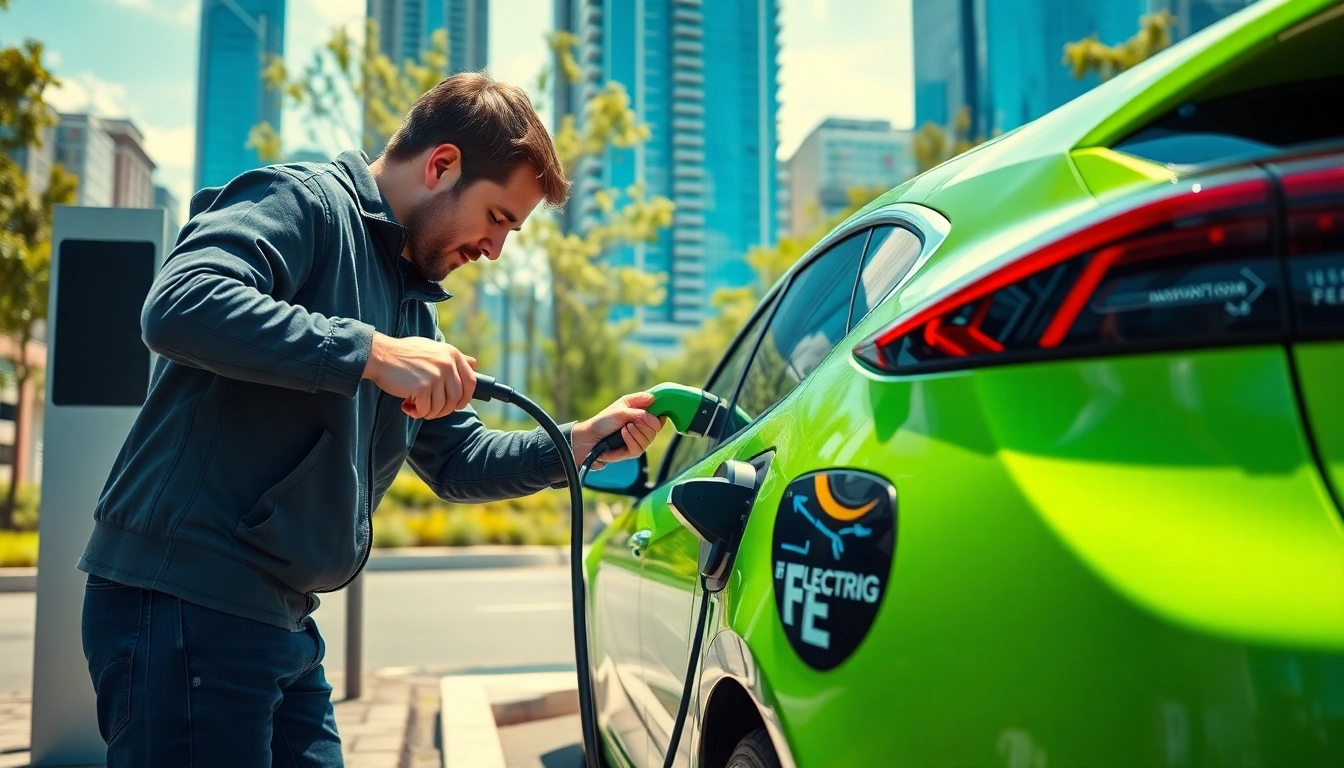
Understanding EV Charging Installation
What is EV Charging Installation?
EV Charging Installation refers to the setup of stations that provide electrical energy for the charging of plug-in electric vehicles, including battery electric vehicles (BEVs) and plug-in hybrid electric vehicles (PHEVs). As the automotive industry pivots towards sustainable energy solutions, understanding the various applications of EV charging can be integral for both residential and commercial spaces. With the implementation of EV Charging Installation, it becomes essential to equip homes and businesses with the necessary infrastructure to facilitate the growing number of electric cars on the road.
Types of EV Chargers
The landscape of EV chargers is categorized primarily into three types: Level 1, Level 2, and DC Fast Chargers. Each type serves a different purpose and suits various charging needs:
- Level 1 Chargers: These are standard household outlets (120V) that can take a long time to charge a vehicle, making them ideal for overnight charging at home.
- Level 2 Chargers: Operating on a 240V supply, these chargers are commonly found in residential settings and public spaces. They offer faster charging times, typically replenishing an electric vehicle's battery in a few hours.
- DC Fast Chargers: These chargers are designed for rapid charging and are found mostly in commercial settings. They can deliver an 80% charge to a vehicle within 30 minutes, catering to drivers needing quick top-ups.
Importance of Professional Installation
While DIY projects can seem appealing, professional installation of EV chargers is paramount. Certified technicians ensure that the installation complies with local codes and regulations, enhancing safety and functionality. They possess the necessary expertise to evaluate existing electrical systems, ensuring that they can handle the added load of EV chargers without overloading. Additionally, professional installation can provide warranties and ongoing support, making it a wise investment.
Preparing for EV Charging Installation
Site Assessment Considerations
Prior to installation, a thorough site assessment is crucial. This involves evaluating the current electrical infrastructure, determining suitable locations for charger placement, and considering the accessibility for users. Factors such as space for wiring, proximity to the main electrical panel, and the potential for future expansions should all be weighed. Understanding the user's needs—whether for home or business—will inform the most effective charging solutions.
Permits and Regulations
Installing an EV charger typically requires adherence to local building codes and regulations. A cautionary approach ensures compliance with electrical safety standards, which may involve obtaining specific permits. Consultation with local authorities or a licensed electrician can clarify what permits are necessary to avoid potential penalties or safety hazards during or after installation.
Cost Factors to Consider
The overall cost of EV charging installation varies significantly based on several factors including the type of charger selected, the complexity of the installation, and any necessary electrical upgrades. On average, homeowners can expect to spend between $500 to $2,000 for home installations, while businesses may incur more considerable costs due to higher demand and infrastructure requirements. Costs can also fluctuate based on local regulations, labor rates, and equipment choices.
Steps for Successful EV Charging Installation
Choosing the Right Equipment
Choosing the right equipment is fundamental to maximizing charging efficiency and meeting user demands. Evaluating the power level, connector availability, and additional features (like Wi-Fi connectivity or smart charging capabilities) helps ensure a suitable match for the application. Understanding the differences between various EV models and their charging compatibility is also vital when selecting equipment.
Installation Process Overview
The installation process typically follows these steps: site preparation, electrical panel upgrade (if necessary), mounting the charging unit, connection to electrical supply, safety checks, and final testing. Each step requires precision, ensuring that all connections are secure and systems operate as intended. After installation, technicians will often provide training on how to operate the charging station effectively.
Safety Precautions
Safety should always be prioritized in EV charging installation. This includes ensuring proper grounding and circuit protection measures, utilizing quality materials, and complying with safety standards. Users should also receive adequate instructions on safely using the chargers, recognizing potential hazards such as weather exposure or incompatible devices. Periodical safety checks can further ensure ongoing operational safety.
Maximizing Efficiency Post-Installation
Regular Maintenance Tips
After successful installation, routine maintenance is crucial for keeping the charging station in optimal condition. This can include checking connections for wear or looseness, regularly cleaning the unit to prevent debris buildup, and updating firmware when applicable. Scheduling annual inspections with a qualified technician can help catch issues before they affect performance.
Monitoring Your Charging Station
Many modern EV charging stations come equipped with features that allow for monitoring charging sessions. Utilizing apps or website dashboards can provide insights into energy consumption, charging speeds, and available capacity. This data helps users optimize charging times and can assist businesses in tracking usage patterns and improving accessibility based on user trends.
Integration with Home Energy Systems
For those looking to maximize efficiency, integrating the EV charging station with home energy systems like solar panels can yield significant benefits. This not only enhances sustainability but can also reduce electricity costs. Users should consult a professional to explore options for energy storage systems and how to effectively connect them with EV chargers for optimized performance.
FAQs about EV Charging Installation
What types of EV chargers are available?
There are mainly three types of EV chargers: Level 1 (120V household outlet), Level 2 (240V for faster residential or public charging), and DC Fast Chargers (for rapid charging in commercial settings).
How long does the installation process take?
The installation process can typically take between four to eight hours, depending on the charging equipment's complexity and site-specific requirements.
Are permits required for installation?
Yes, most installations require permits to comply with local building codes and ensure adherence to safety regulations. Local authorities should be consulted for specific requirements.
What is the average cost of installation?
Costs vary widely depending on charger type and installation complexity, with residential installations averaging between $500 to $2,000, while commercial installations can be higher.
Can I install a charger at home?
Yes, homeowners can install EV chargers, but it’s advisable to consult a licensed electrician to ensure compliance with local codes and safety standards.