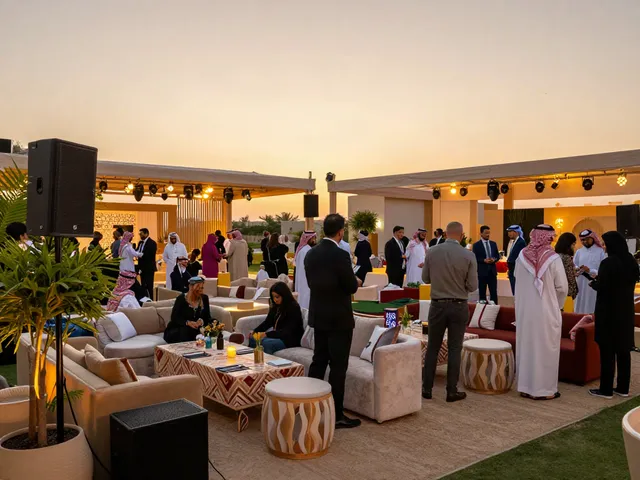
Understanding the Role of a Commercial Building Developer
The world of commercial real estate is vast and multifaceted, with commercial building developer serving as a key figure in transforming visionary designs into tangible structures. These developers lead the charge from the initial concept phase through to the completion and eventual sale or leasing of the properties. Their role not only involves overseeing the construction process but also involves careful planning, financial acumen, and adherence to legal regulations, which are essential components for a successful development project.
Defining the Commercial Building Developer
A commercial building developer is an individual or entity that orchestrates the entire process of developing commercial properties—ranging from office spaces to retail units and beyond. Their responsibilities span across selecting suitable sites, securing financing, hiring architects and contractors, and navigating the complex layers of local regulations and zoning laws. This central figure in the built environment is the bridge between stakeholders, including investors, governmental bodies, and the local community.
Key Responsibilities and Skills
The responsibilities of a commercial building developer are diverse and require a mix of technical skills and soft skills:
- Project Management: A developer must oversee multiple concurrent projects, ensuring timelines and budgets are adhered to.
- Financial Savvy: Comprehension of financial models, capital sourcing, and return on investment analysis is crucial.
- Zoning and Compliance Knowledge: Familiarity with local laws and zoning regulations is essential to avoid costly legal challenges.
- Negotiation Skills: Developers often negotiate contracts with various parties, from land sellers to construction firms.
- Leadership: Leading diverse teams and fostering collaboration among different stakeholders is imperative for project success.
Importance in Real Estate Development
The role of a commercial building developer is vital, as they are responsible for transforming potential into reality. They not only contribute to the economic growth of local communities through job creation and infrastructure development but also meet the evolving needs of businesses and the public. Furthermore, the decisions made by developers can significantly influence the architecture and layout of urban landscapes.
Steps in the Commercial Building Development Process
Site Selection and Feasibility Analysis
The initial phase of development starts with identifying the right site. This process involves extensive research and analysis to determine the viability of a location. Factors such as demographics, proximity to transportation, and local market conditions all play a pivotal role in site selection.
Once a site is identified, a feasibility analysis is conducted. This involves evaluating the potential return on investment, understanding local regulations, and assessing community impact. Developers often conduct market studies to gauge interest in the project, looking for signs of demand that support their intended use of the property.
Financing and Budgeting Strategies
Securing financing is a critical step in the development process. Developers typically explore various funding sources, including traditional bank loans, private equity, and government grants. A well-structured financial plan is necessary to cover costs associated with land acquisition, construction, and ongoing expenses.
Additionally, budgeting strategies must be meticulously crafted to anticipate cost overruns and economic fluctuations. Financial modeling helps developers project future revenues and expenses, allowing for informed decision-making throughout the development lifecycle.
Design and Architecture Collaboration
Collaborating with architects and designers is a crucial step in the development process. Developers must articulate their vision clearly to ensure that the design aligns with the intended purpose of the building and satisfies compliance with local aesthetic standards.
Regular meetings throughout the design phase are essential to maintain that communication and collaboration remain strong. This iterative process allows for improvements based on feedback until the final design is approved. By fostering a creative partnership, developers can enhance the functionality and appeal of the commercial property.
Compliance and Regulations for Commercial Building Development
Understanding Zoning Laws
Zoning laws dictate how land can be used within specific areas. Understanding these regulations is fundamental for a commercial building developer, as they determine permissible building types, densities, heights, and uses. Developers must conduct thorough research to ensure their proposed projects comply with local zoning ordinances.
Failure to comply can lead to significant delays, financial penalties, or even project cancellations. Therefore, developing good relationships with local zoning boards and planning departments is often beneficial, as it can facilitate smoother approvals.
Permitting and Environmental Considerations
The permitting process involves securing the necessary approvals from local government agencies before construction begins. This often includes permits for building, environmental assessments, and adherence to safety standards.
Environmental considerations are increasingly crucial, as developers must assess their projects' potential environmental impact. This includes considerations such as site sustainability, waste management, and resource efficiency. Environmental compliance not only affects permitting but can also influence the success and community reception of a project.
Safety Standards and Building Codes
Adherence to safety standards and building codes is imperative throughout the construction phase. These codes set the minimum requirements for construction safety, structural soundness, and accessibility. Commercial developers must ensure that all construction work complies with these codes, which vary by locality.
Furthermore, implementing safety standards can reduce liability risks and create a safer working environment for contractors and future occupants of the building. Engaging qualified professionals to oversee compliance helps mitigate risks associated with violations.
Challenges Faced by Commercial Building Developers
Market Fluctuations and Economic Trends
Commercial building developers are frequently impacted by market fluctuations and economic trends that dictate demand for new constructions. Economic downturns can delay projects and impact demand, leading to excess inventory and decreasing property values.
To mitigate this risk, developers must stay informed about current market trends and economic forecasts, employing adaptive strategies such as diversifying their portfolios or pursuing adaptive reuse projects that align with market needs.
Regulatory Hurdles
Regulatory hurdles can significantly impede the development timeline. From zoning laws to environmental assessments, navigating the legal landscape requires diligent attention and often, troubleshooting. Delays in approvals can lead to an increase in project costs and prolongation of the timeline.
Thorough preparation and proactive engagement with regulatory bodies can help developers foresee potential challenges and formulate strategies to address them efficiently.
Project Management and Coordination Issues
Coordinating various stakeholders and ensuring smooth workflows can be particularly challenging. The construction phase involves managing contractors, subcontractors, suppliers, and local government agencies, each with their own set of timelines and standards.
Adopting project management software can enhance organization and communication, assisting developers in tracking milestones and responsibilities efficiently while keeping everyone aligned with the project objectives.
Future Trends in Commercial Building Development
Sustainable Practices and Green Building
Sustainability has emerged as a dominant trend in the commercial building sector. Developers are increasingly adopting green building practices that lower environmental footprints and enhance energy efficiency. This includes utilizing sustainable materials, designing for energy efficiency, and promoting eco-friendly practices.
Investing in green technology can yield long-term cost savings and appeal to environmentally conscious tenants and buyers, making properties more competitive in the marketplace.
Technology Innovations in Development
Technological advancements are profoundly transforming the commercial real estate landscape. Innovations such as Building Information Modeling (BIM), drones for site surveys, and advanced project management software are enhancing efficiency and reducing risks associated with construction.
Leveraging technology not only streamlines processes but also provides data-driven insights that can improve decision-making and project outcomes.
Emerging Markets and Opportunities
As urbanization continues to accelerate, emerging markets present new opportunities for commercial building developers. From mixed-use developments to smart city initiatives, understanding local market demands and collaborating with governments can pave the way for innovative projects that meet contemporary urban needs.
Developers who remain flexible and adapt to changing consumer behavior and preferences will position themselves favorably in a continually evolving industry.
FAQs About Commercial Building Development
What is a commercial developer?
A commercial developer directs the development of commercial properties like office buildings, retail centers, and parks. They manage the project from initial planning through construction and leasing.
What skills are essential for a commercial building developer?
Key skills include project management, financial acumen, negotiation, knowledge of zoning laws, and strong leadership capabilities. These skills help navigate the complexities of property development successfully.
How long does a commercial building project typically take?
The timeframe varies significantly based on the project's complexity, size, and location. Simple projects may take 6-12 months, while larger developments can span several years.
What are green building practices?
Green building practices focus on sustainability and reducing environmental impact. This includes using energy-efficient materials and implementing waste recycling and water conservation measures in new constructions.
How can market trends affect commercial development?
Market trends significantly impact demand, financing availability, and project feasibility. Developers must stay updated on economic indicators and industry trends to adapt their strategies accordingly.