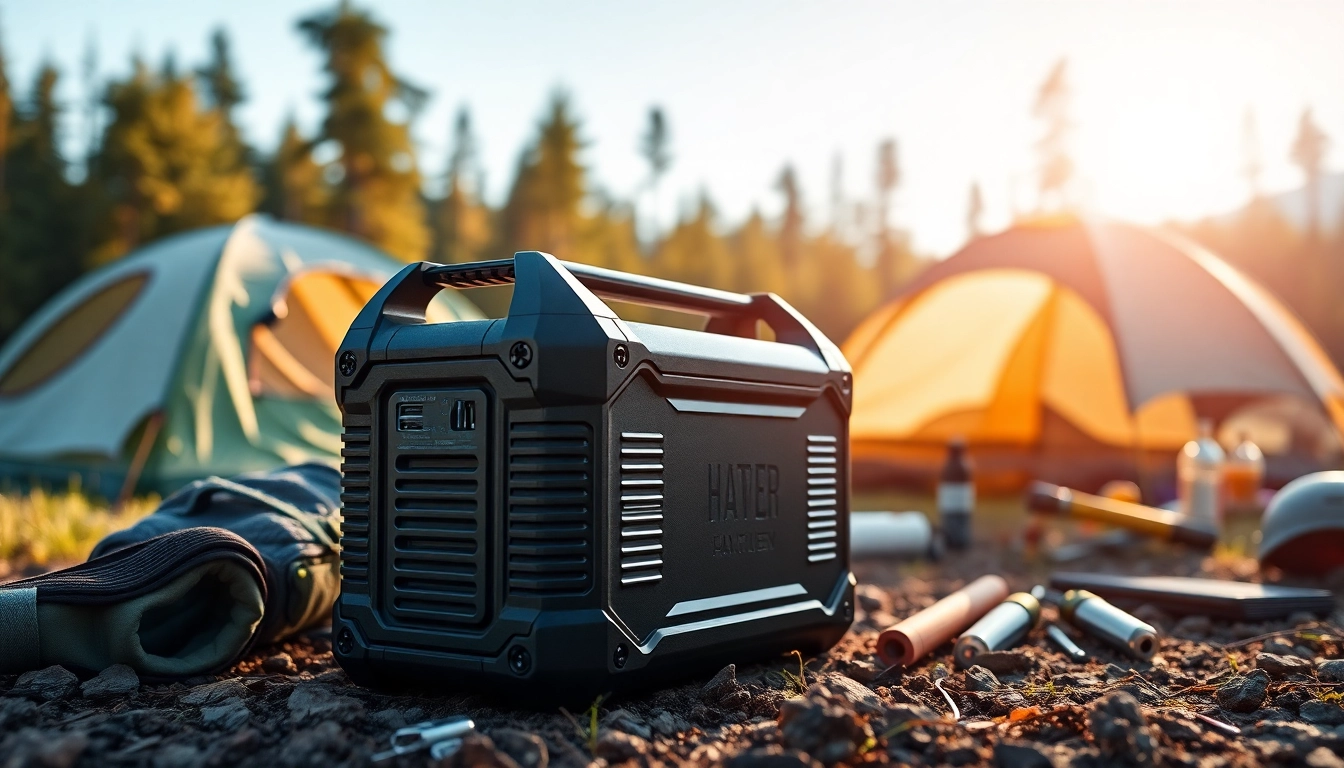
Understanding the Basics of Power Station
In an ever-evolving world where energy needs are constantly changing, understanding the fundamentals of a power station is crucial for anyone seeking reliable power solutions. A power station is not just a device to provide electricity; it is an essential component in both emergency scenarios and everyday life. This article will guide you through the basics of power stations, including their features, uses, types, and trends, helping you to make informed decisions.
What is a Power Station?
A power station broadly refers to a facility or device that generates energy for various applications. Power stations can be categorized into different types based on their size, power output, and mobility. When we talk about a portable power station, we're typically referring to a compact and mobile energy generation or storage unit that can provide power for devices and appliances when traditional power sources are unavailable. They are designed with user-friendliness in mind and often come equipped with multiple outlets, making them versatile for various uses.
Key Features to Look For
When selecting a power station, several key features can enhance its usability and efficiency:
- Capacity: Measured in watt-hours (Wh), capacity indicates how much energy the power station can store. A higher capacity allows for more devices to be powered for longer durations.
- Output Ports: Different types of ports (AC, DC, USB) are vital for connecting various devices. Ensure the power station has the outputs you need.
- Portability: Weight and design are significant for users who plan to transport their power station. Compact and lightweight models are preferable for camping or travel.
- Charging Options: Availability of multiple charging methods, such as AC outlets, solar panels, or car chargers, adds flexibility.
- Durability: Consider materials used in construction for longevity and resilience against environmental conditions.
Common Uses of Power Station
Power stations can serve a wide array of functions depending on the user’s lifestyle and needs:
- Emergency Power Backup: During power outages, a power station can supply essential electricity to keep appliances running.
- Camping and Outdoor Activities: Great for powering lights, cooking devices, and other equipment during outdoor adventures.
- Home Use: Provides power for tools during home renovations or additional support in homes with high energy needs.
- Traveling and Road Trips: Can charge devices like laptops, smartphones, and cameras on the go.
Types of Power Stations Available
Power stations can be broadly classified into several categories based on features, portability, and energy sources. Understanding the differences is crucial for optimal selection.
Comparison of Battery Technologies
Power stations are commonly built with various battery technologies, primarily lithium-ion and lead-acid batteries. Here’s how they compare:
- Higher energy density, allowing for more power in a smaller form factor.
- Longer life cycles, often lasting for thousands of discharge cycles.
- Lighter weight, making portable models easier to transport.
- Generally cheaper but have lower energy density.
- Heavier, which can impact portability.
- Shorter lifespan and fewer cycles comparative to lithium-ion options.
Solar vs. Traditional Power Station
With an increasing emphasis on renewable energy, understanding the differences between solar and traditional power stations is essential:
- Solar Power Stations: These harness energy from the sun, often charging using solar panels. They contribute to sustainability and can operate in remote areas without access to standard electricity grids.
- Traditional Power Stations: These typically rely on grid electricity, requiring a constant source of power from power outlets. Ideal for stationary use or permanent setups.
Portable vs. Stationary Power Station
Choosing between portable and stationary power stations ultimately depends on user needs:
- Portable Power Stations: Compact, lightweight, and designed for mobility. Ideal for users who need flexibility for outdoor activities or travel.
- Stationary Power Stations: Heavier units intended for fixed installations, often delivering higher power outputs for residential or professional use.
Choosing the Right Power Station for Your Needs
Making the right choice involves assessing personal requirements, understanding how you plan to use the power station, and evaluating the various options available.
Assessing Power Requirements
Determining your power needs entails measuring how much wattage your devices will require. Taking inventory of what you wish to power, consider the total wattage and accounting for possible surges in energy use. Create a checklist for devices to guide your choice effectively.
Evaluating Portability Options
If mobility is essential, focus on weight, size, and built-in features such as handles or a rugged casing. Assess the operational environment to ensure that your selected power station will function efficiently, regardless of the location.
Understanding Charging and Discharging Cycles
Different power stations offer various charging and discharging rates. Understanding these cycles can help you optimize the use of your power station. Factors such as battery chemistry, capacity, and usage patterns will all affect performance and longevity.
Best Practices for Using Power Station Efficiently
Maximizing the effectiveness of your power station relies on understanding how to use it properly. Let’s delve into some crucial strategies.
Maximizing Battery Life
To enhance the lifespan of your battery, it is vital to avoid deep discharges regularly. Aim to recharge your power station when it reaches around 20-30% capacity. Additionally, keeping it at cooler temperatures can help prevent degradation.
Proper Maintenance Techniques
Perform regular checks to ensure connections and cables are free of corrosion or debris. Store the power station in a clean, dry environment to protect it from potential damage and optimize its longevity.
Safe Charging Practices
Always follow the manufacturer's recommendations for charging the power station. Avoid overcharging, which can lead to battery damage, and use the recommended adapters to prevent any risks associated with incorrect voltage.
Future Trends in Power Station Technology
The landscape of power stations is evolving significantly as new technologies emerge. Observing trends can help you stay informed and ready to adapt your energy solutions accordingly.
Innovations in Energy Storage Solutions
Battery technology will continue to improve, leading to higher efficiencies, faster charging times, and enhanced reserve capacities. Innovations, such as solid-state batteries, promise to change the market dynamics considerably.
The Impact of Renewable Energy on Power Stations
The integration of renewable energy sources continues to be a major factor in power station development. As more consumers and businesses adopt solar or wind energy systems, the sector will likely see more hybrid models in the future, combining traditional power station capabilities with renewable options.
Smart Features and Connectivity in Modern Power Stations
Smart technology will increase connectivity through firmware updates, mobile applications, and real-time monitoring. This will allow users to control their power stations more efficiently and update settings remotely.
By understanding the ins and outs of power stations, consumers can make informed decisions to fit their energy needs, whether for crucial backup power or for off-grid adventures.