1. Understanding Mould Temperature Controllers
1.1 What is a Mould Temperature Controller?
A mould temperature controller is an essential piece of equipment in modern manufacturing, particularly in the production of plastic and metal components. These devices regulate the temperature of moulds during the production process, ensuring that they operate within optimal thermal parameters. By maintaining a consistent temperature, mould temperature controllers help achieve precise dimensions and surface finishes on produced parts, reducing defects and enhancing overall product quality. In an industry where precision is paramount, the role of a Mould Temperature Controller can significantly influence manufacturing efficiency and output quality.
1.2 Key Components and Features
The functionality of mould temperature controllers stems from their critical components, which include:
- Heating Elements: These are responsible for raising the temperature of the fluid circulating through the mould. Common heating methods include electric heaters or fluid heating via heating cartridges.
- Cooling Systems: These may include chiller units or cooling coils that help lower the temperature of the mould as needed, providing balance during the cooling phase of production.
- Temperature Sensors: Thermocouples or infrared sensors monitor the temperature of the mould itself, offering real-time data for adjustments.
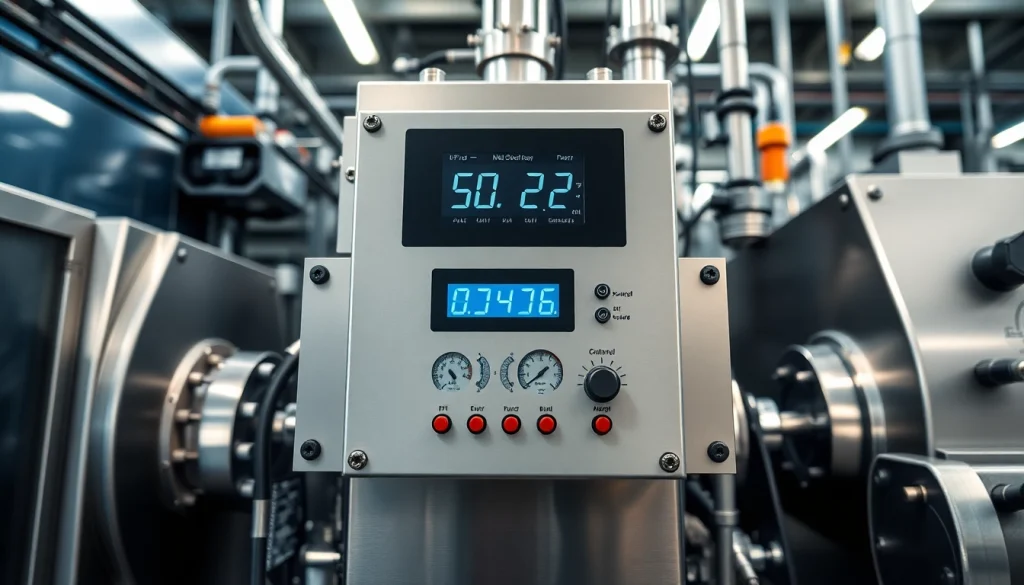
- Control System: A user-friendly interface allows operators to set temperature parameters, monitor processes, and adjust settings as required. Modern controllers often incorporate digital displays and programmable features for versatile operations.
- Pumps: These circulate the heating or cooling fluids to efficiently maintain temperature across the mould.
1.3 Benefits of Using Mould Temperature Controllers
The adoption of mould temperature controllers leads to numerous advantages in the manufacturing process:
- Improved Product Quality: Consistent temperatures result in better surface finishes and dimensional accuracy.
- Increased Production Efficiency: Optimal temperature regulation decreases cycle times, allowing for faster production rates.
- Reduced Defects: By maintaining ideal temperatures, the occurrence of defects such as warpage and misalignment is minimized.
- Energy Savings: Advanced temperature controllers often incorporate energy-saving modes and efficient heat exchange systems that lower energy consumption over time.
- Enhanced Control: Real-time monitoring enables quick adjustments and responsive operations, allowing for flexibility in changing production demands.
2. How Mould Temperature Controllers Work
2.1 The Science of Temperature Control
The science behind temperature regulation in mould temperature controllers is governed by principles of thermodynamics. As materials are heated or cooled, their physical properties change, which directly affects processes such as melting, solidification, and flow characteristics in moulds. Controllers employ a feedback loop system where temperature readings from sensors inform adjustments to heating or cooling elements, maintaining a steady state.
2.2 Types of Mould Temperature Controllers
Various types of mould temperature controllers are available, each designed to meet specific industrial needs:
- Water-based Controllers: Use water as the heat transfer medium, offering effective temperature control but with limitations in high-temperature applications.
- Thermal Oil Controllers: Suitable for medium to high-temperature environments, these systems use oil for heat transfer, providing stable temperature regulation.
- Refrigerated Controllers: Designed for processes requiring rapid cooling, these systems often integrate cooling units for fast temperature reductions.
- Integrated Controllers: With advanced digital controls and programming capabilities, these controllers can manage multiple zones and adapt to complex manufacturing processes.
2.3 Operating Principles Explained
At the core of operating a mould temperature controller is the concept of thermal transfer. Fluids are circulated through the mould to facilitate heat exchange. When the temperature setpoint differs from the current temperature, the controller adjusts the heating or cooling elements accordingly:
- When the mould is below the setpoint, the heating system is activated to raise the temperature.
- Conversely, if the temperature exceeds the setpoint, the cooling system engages to help reduce it.
This continuous feedback mechanism ensures that the mould conditions remain within specified parameters throughout the production cycle.
3. Selecting the Right Mould Temperature Controller
3.1 Factors to Consider
Choosing the right mould temperature controller for your specific application involves several considerations:
- Temperature Range: Assess the temperatures required for your materials and processes. Ensure the controller can operate effectively within this range.
- Fluid Compatibility: Consider the type of heating/cooling fluid being used and ensure that the controller’s materials are compatible.
- Control Precision: Look for controllers that provide accurate temperature readings and have precise control features for complex applications.
- Integration Capabilities: The selected controller should seamlessly integrate with existing machinery and allow for easy connectivity with other systems.
- Energy Efficiency: Opt for systems designed with energy-saving features that can help reduce operational costs.
3.2 Comparing Popular Models
When evaluating different models, consider their specifications against your operational needs. Popular manufacturers offer detailed comparisons of their offerings, including:
- Power output and heating capabilities
- Control functions such as digital interfaces, alarms, and automation features
- Durability and maintenance requirements
- Customer support and warranty options
Conducting thorough research on these factors can lead to the selection of the most efficient and effective controller for your business.
3.3 Integration with Existing Equipment
Integrating a new mould temperature controller within an existing manufacturing set-up requires careful planning. Assess compatibility with existing moulds, machinery, and production lines. Implementation may involve software adjustments, electrical configuration, and operator training to ensure smooth operation and maximize the new system’s capabilities.
4. Best Practices for Operating Mould Temperature Controllers
4.1 Calibration and Maintenance
Regular calibration is vital to ensure the accuracy of temperature readings. This process involves adjusting the readings of the temperature sensors to align with known standards. Scheduled maintenance helps keep the mould temperature controllers functioning optimally, including cleaning, inspections, and replacing worn-out components as necessary.
4.2 Troubleshooting Common Issues
Even with the best equipment, operational challenges can arise. Common issues include:
- Inconsistent Temperatures: Check sensor calibrations or examine fluid levels and circulation.
- System Overheating: Inspect heating elements and cooling systems for malfunctions.
- Faulty Controls: Review control settings and connections for errors.
Having a troubleshooting guide and trained personnel can resolve these issues quickly, minimizing downtime.
4.3 Optimizing Performance for Different Moulds
Different mould designs and materials may require unique temperature settings and protocols. Optimize performance by:
- Conducting materials-specific tests to determine the ideal temperature profiles.
- Adjusting cycle times based on material response to heat.
- Utilizing advanced controllers capable of multi-zone temperature management for complex or multicavity moulds.
5. Industry Applications and Case Studies
5.1 Impact on Quality Control
Mould temperature controllers play a crucial role in various industries, significantly influencing quality control measures. In plastic injection molding, consistent temperature regulation leads to fewer defects, such as splay or burn marks, which can ruin excellent production runs.
5.2 Case Studies from Leading Industries
Several leading manufacturers have successfully implemented mould temperature controllers, demonstrating their impact on production efficiency and product quality. For example:
- Automotive Industry: A well-known automotive supplier improved their injection moulding accuracy by 30% after integrating advanced temperature control systems, resulting in lower waste and increased customer satisfaction.
- Consumer Electronics: A major electronics manufacturer reduced cycle times by 20% and enhanced the durability of their products through precise temperature management in moulding processes.
5.3 Future Trends in Mould Temperature Control
The future of mould temperature control is likely to involve greater automation and connectivity, with the advent of Industry 4.0 technologies. Smart controllers that utilize AI for predictive maintenance and real-time adjustments will revolutionize the industry, offering unprecedented levels of precision and performance.