

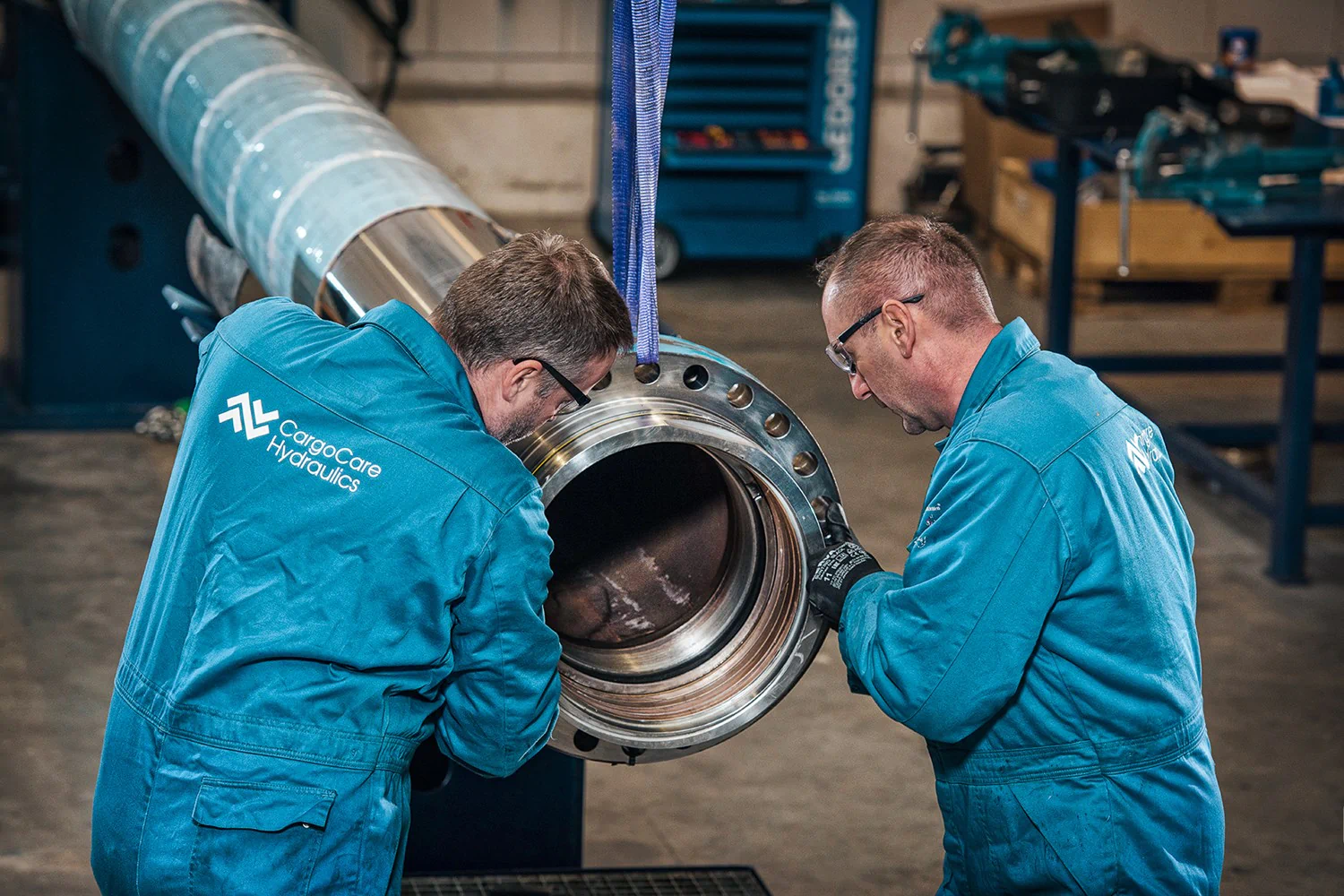
Understanding Hydraulic Repair Services
What are Hydraulic Repair Services?
Hydraulic repair services focus on diagnosing and fixing issues within hydraulic systems, which are crucial for motion and control in various machinery, from construction equipment to manufacturing machinery. These services encompass a range of activities, including troubleshooting failures, repairing hydraulic pumps, actuators, valves, and hoses, as well as preventive maintenance. The goal is to ensure that systems operate efficiently and reliably. Professionals skilled in hydraulic repair services apply their expertise to assess system performance and implement necessary repairs or upgrades.
Importance of Regular Maintenance
Regular maintenance of hydraulic systems is essential to prevent unexpected failures that can lead to costly downtime and repairs. Maintenance practices typically include routine inspections, fluid changes, and the replacement of worn components. Regular upkeep helps identify potential issues early, reducing the severity and cost of needed repairs while extending the lifespan of the equipment. Implementing a scheduled maintenance program not only enhances system reliability but also optimizes operational efficiency.
Common Hydraulic System Failures
Hydraulic systems can encounter a variety of failures, often due to improper maintenance or excessive wear and tear. Some common issues include:
- Fluid Leaks: Often caused by damaged seals or hoses, leaks can lead to significant drops in system pressure and loss of fluid efficiency.
- Pump Failures: These may result from cavitation or wear, leading to inadequate fluid pressure and system performance.
- Contamination: Dirt and moisture in hydraulic fluid can cause corrosion and component failure.
- Valve Malfunctions: Failure in hydraulic valves can result in erratic movements or total loss of control.
Key Components in Hydraulic Systems
Hydraulic Pumps and Their Functionality
The hydraulic pump is the heart of any hydraulic system, responsible for converting mechanical energy into hydraulic energy by moving fluid. This fluid under pressure is then directed to the actuators that perform work. There are various types of hydraulic pumps, including gear, vane, and piston pumps, each catering to specific operational requirements. Understanding the functionality and maintenance of these pumps is vital for effective hydraulic system management.
Valves and Actuators in Hydraulics
Valves direct the flow of hydraulic fluid and well-maintained valves are essential for precise control over the hydraulic system’s movements. Actuators convert hydraulic energy back into mechanical energy to achieve motion, whether linear or rotational. Both components must function optimally for the system to operate effectively. Regular servicing of valves and actuators not only ensures efficiency but also addresses potential performance issues before they escalate.
Identifying Wear and Tear
Regular inspections of hydraulic systems can help identify wear and tear early. Signs of wear may include unusual noises, vibrations, fluid leaks, and changes in operating pressure. Additionally, routine checks on the condition of hoses and fittings, lubrication levels, and the cleanliness of hydraulic fluid can aid in early detection of issues. By establishing monitoring practices, operators can effectively manage wear and prolong the life of hydraulic components.
Process of Hydraulic Repair Services
Initial Assessment and Diagnostics
Prior to any repair work, a thorough diagnostic assessment is conducted. This involves visually inspecting the system, taking pressure readings, and analyzing hydraulic fluid for contaminants. Technicians often employ diagnostic tools to pinpoint issues accurately. This step is critical for defining the most suitable repair strategies and for addressing the root causes of problems rather than just symptoms.
Repair Techniques and Tools Used
Repair techniques can range from replacing seals and hoses to complete rebuilds of pumps and valves. Common tools used in hydraulic repairs include wrenches, hydraulic jacks, and diagnostic devices. Depending on the issues identified, technicians may also use specialized equipment such as ultrasonic leak detectors or pressure gauges to ensure accuracy in repairs. The application of appropriate techniques and tools guarantees that repairs meet industry standards and restore system functionality.
Quality Control in Repairs
Quality control is paramount in hydraulic repair services. Post-repair testing ensures that the system operates within specified parameters. This can include function checks, leak tests, and flow rate measurements. Documenting repair processes and results can provide insights into future maintenance needs and help in recognizing recurring issues. A commitment to quality not only enhances repair efficacy but builds trust with clients.
Benefits of Professional Hydraulic Repair Services
Enhanced Equipment Lifespan
Engaging professional hydraulic repair services helps extend the lifespan of hydraulic equipment by addressing issues that can lead to premature failure. With expert knowledge and comprehensive maintenance practices, hydraulic systems can function optimally, reducing the likelihood of severe breakdowns. Consequently, this prolongs asset life and ensures better return on investment.
Safety and Compliance Considerations
Maintenance and repair of hydraulic systems are critical for safety. A malfunctioning hydraulic system can pose severe risks, including accidents and injuries. Professional repair services ensure adherence to safety standards and regulatory compliance. This not only mitigates risks but also enhances workplace safety, giving operators peace of mind when utilizing hydraulic systems.
Cost-Effectiveness of Timely Repairs
Timely repairs often result in significant cost savings for businesses. Addressing minor issues before they evolve into major problems can save money in the long run due to reduced downtime and repair costs. Moreover, by choosing hydraulic repair services that focus on preventive maintenance, businesses can further streamline expenditures and enhance overall efficiency.
Frequently Asked Questions
What types of hydraulic repairs are most common?
Common hydraulic repairs include replacing seals and hoses, fixing leaks, and servicing pumps and valves due to wear and tear.
How do I know if my system needs repair?
Signs that your system needs repair include unusual noises, failing to build pressure, fluid leaks, or erratic movements.
What should I expect during a repair service?
During a repair service, expect a thorough diagnostic assessment followed by necessary repairs, testing, and quality checks to ensure function.
How can I maintain hydraulic systems?
To maintain hydraulic systems, conduct regular inspections, change fluids, replace worn components, and monitor for leaks or performance issues.
What warranties or guarantees are offered?
Most professional hydraulic repair services offer warranties on parts and labor to ensure customer satisfaction and quality assurance.