
Understanding Different Types of Vacuum
When it comes to cleaning your home, a vacuum plays a critical role in maintaining a clean and healthy environment. With various types of vacuums available on the market today, it’s essential to understand their unique features and benefits to choose the one that best fits your cleaning needs. In this article, we will explore the different types of vacuums, their strengths and weaknesses, and guide you toward making an informed decision. We even delve into crucial features to consider, maintenance tips to prolong their lifespan, and best practices for effective vacuuming. For more options, consider exploring various vacuum models available online.
Upright Vacuum: Pros and Cons
Upright vacuums are perhaps the most recognizable type of vacuum cleaner. They are designed to stand upright and are particularly effective for carpeted surfaces.
Pros:
- Powerful Suction: Upright vacuums typically offer strong suction capabilities, making them ideal for deep cleaning carpets.
- Large Capacity: Most models come with sizable dust bags or bins, requiring fewer emptying sessions.
- Additional Features: Many upright vacuums are equipped with brush rolls that can be turned on and off, catering to both carpet and hard floor cleaning.
Cons:
- Weight: They can be heavier compared to other types, which may make maneuvering difficult, especially for upstairs cleaning.
- Size: Bulky design may prove cumbersome for storage in smaller homes.
Canister Vacuum: Features and Benefits
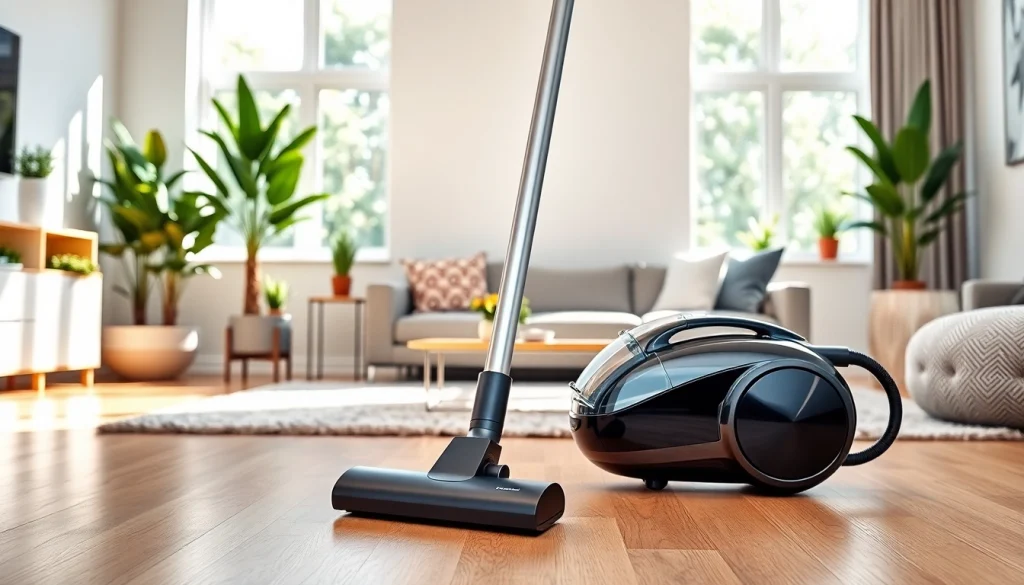
Canister vacuums consist of a separate canister on wheels and a long hose with a vacuum head attached. This design offers flexibility and is suitable for various surfaces.
Pros:
- Versatile Cleaning: The long hose and various attachments make canister vacuums excellent for reaching corners, under furniture, and cleaning different surface types.
- Lightweight Design: The canister is typically more portable, allowing for easy transport while vacuuming.
Cons:
- Storage Challenges: Canisters may require more storage space because of the separate components.
- Handling Complexity: Some users might find it cumbersome to manage the hose and canister simultaneously.
Robotic Vacuum: Convenience and Technology
In recent years, robotic vacuums have gained popularity for their convenience and advanced technology features.
Pros:
- Automation: They can clean your floors independently, scheduled to operate at your convenience.
- Smart Features: Many robotic vacuums are equipped with app connectivity and smart home integration for ease of use.
Cons:
- Limited Cleaning Power: While they offer convenience, they may not have the suction power required for deep cleaning, especially on carpets.
- Boundary Limitations: Users may need to manage loose items and cords that could interfere with the robot’s cleaning path.
Key Features to Look for in a Vacuum
Choosing the right vacuum requires an understanding of important features that contribute to performance and usability. Below are some key aspects to consider when shopping for a vacuum.
Suction Power: Importance and Measurement
Suction power is arguably the most crucial feature in determining a vacuum’s cleaning efficiency. Higher suction power means better dirt and debris removal from surfaces.
When evaluating suction power, look at two important measurements:
- Air Watts: This measures the power available for cleaning and directly correlates with suction performance.
- Cubic Feet per Minute (CFM): This measurement assesses how much air the vacuum can move, impacting its ability to pick up fine dust and larger debris.
Filtration Systems: Types and Efficacy
Effective filtration systems are vital to maintaining indoor air quality, especially for allergy sufferers. There are a few common types of filters:
- HEPA Filters: High-Efficiency Particulate Air filters capture up to 99.97% of particles, making them ideal for allergy or asthma sufferers.
- Carbon Filters: These help eliminate odors and are beneficial for homes with pets or smoking.
Understanding the type of filter your vacuum uses can have a lasting impact on your health and clarity of environment.
Attachments and Accessories: Enhancing Versatility
Attachments significantly improve the versatility of your vacuum. Here are a few must-have accessories:
- Creaking Tool: Essential for getting into tight corners and crevices.
- Upholstery Brush: Ideal for cleaning furniture and delicate surfaces.
- Pet Hair Remover: Useful for households with pets, helping to capture stubborn pet hair from carpets and fabrics.
Maintenance Tips for Prolonging Vacuum Life
To ensure the longevity of your vacuum, regular maintenance is essential. Here are practical tips to help keep your vacuum in top shape:
Regular Cleaning: Filters and Brushes
Building a routine to clean your vacuum’s filters and brushes can enhance suction power. Most filters can be washed or replaced periodically, while brushes should be cleared of hair and debris regularly.
Troubleshooting Common Issues
Even the best vacuum may face operational challenges. Common issues include:
- Loss of Suction: Check for blockages in hoses or filters.
- Brush Roll Problems: Ensure the brush rolls are free from entangled hair and debris.
When to Replace Parts or Upgrade
Knowing when to replace parts is crucial. Filters should be replaced as recommended, but if performance decreases markedly, consider upgrading to a newer model for improved efficiency.
Best Practices for Effective Vacuuming
To achieve the best results during your cleaning routine, following best practices can make a significant difference. Here are some effective methods:
Optimal Techniques for Different Surfaces
Different surfaces may require different techniques. When vacuuming carpets, ensure you take your time to allow for deep cleaning, while hard surfaces might benefit from faster passes to prevent skidding.
Creating a Cleaning Schedule
Developing a cleaning schedule can streamline your chores, ensuring that all areas of your home are consistently maintained. Consider frequency based on foot traffic and types of surfaces.
Combining Vacuuming with Other Cleaning Methods
For a more thorough clean, combine vacuuming with other cleaning tasks, such as dusting or mopping, to ensure a comprehensive cleaning routine.
Evaluating Vacuum Performance and User Reviews
Understanding consumer feedback can provide insights into the performance of different vacuum models, helping in making a well-informed decision.
Understanding Ratings and Feedback
Look for vacuum ratings based on real user experiences. Trusted reviews can highlight strengths and weaknesses that may not be apparent through specifications alone.
How to Compare Different Vacuum Models
When comparing vacuums, consider using a side-by-side comparison chart that includes factors like suction power, weight, filtration type, and price. This method provides clarity in making a decision.
Importance of Warranty and Customer Service
A solid warranty and customer service can offer peace of mind. Look for products that provide at least a one-year warranty and ensure the availability of responsive customer support for future needs.