

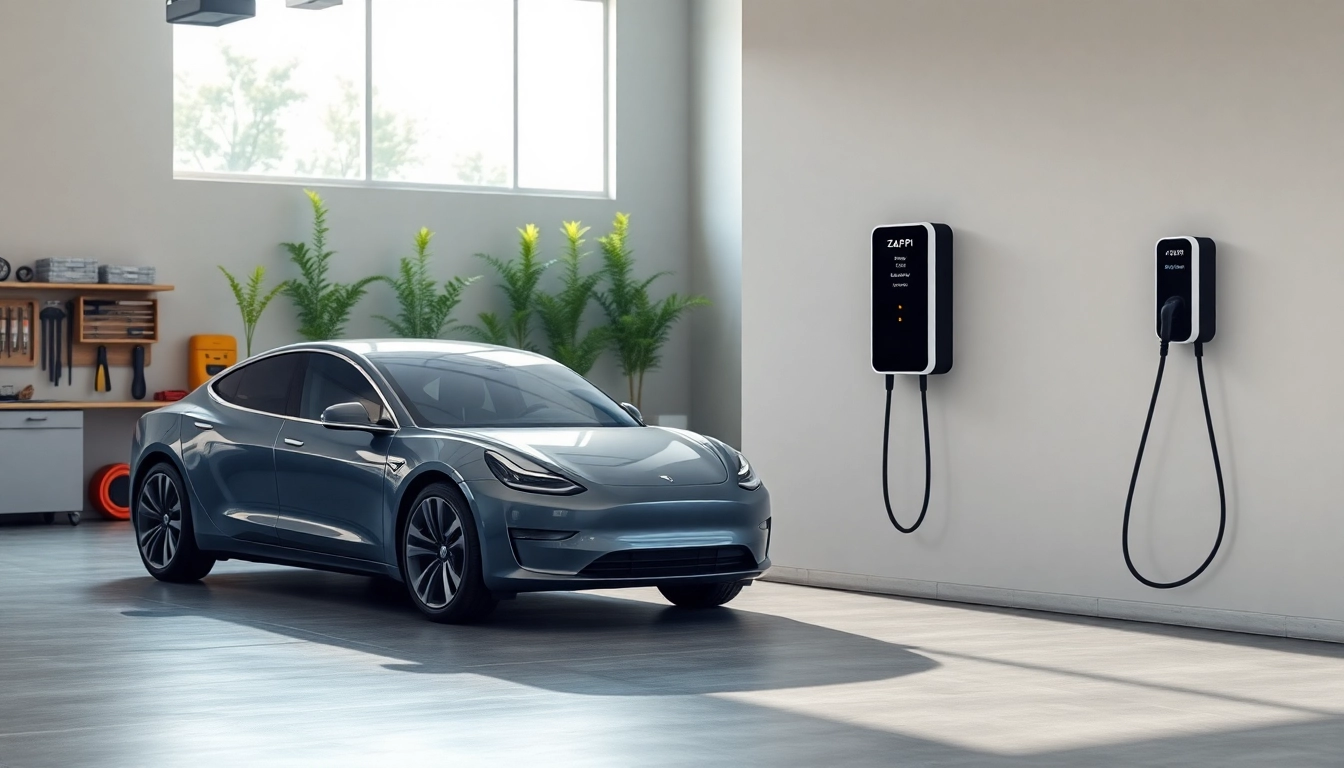
Understanding EV Charger Installation Cost in 2025
As electric vehicles (EVs) become increasingly popular, understanding the components and costs associated with installing an EV charger at home is paramount for prospective buyers. The EV charger installation cost can vary widely based on several factors, including the type of charger, your specific installation site, and local regulations. In this guide, we’ll delve into what influences these prices, provide a comparative analysis of costs throughout Melbourne, and outline essential considerations for your EV charging setup.
What Influences the Cost of EV Charger Installation?
The cost of installing an EV charger is not a one-size-fits-all figure. It can range anywhere from $800 to over $3,000 depending on various factors:
- Charger Type: Level 2 chargers are typically less expensive to install compared to Level 3 chargers, which require more sophisticated equipment and electrical work.
- Electrical Requirements: Your existing electrical system may need upgrades to support a new charger, especially if you’re opting for a three-phase system. A qualified electrician will assess this during your initial consultation.
- Location: The geographical area can impact costs too. Urban locations may have different permit and labor costs compared to rural areas.
- Labor Costs: The labor rates of electricians in your area can significantly influence installation costs. Melbourne’s average rates may vary from those in other regions.
Comparative Analysis: EV Charger Installation Costs Across Melbourne
When evaluating the installation cost of EV chargers, it’s beneficial to compare prices across different neighborhoods and suburbs in Melbourne.
For example, areas like Southbank and Altona may have different average installation costs due to local regulations and demand for installers. While the average price for Level 2 installations might hover around $1,000 in suburban areas, urban regions could see this figure rise due to higher demand and operational costs.
Key Factors Affecting Your Home Charging Setup
Several critical elements can affect how suitable your home is for EV charging:
- Building Type: Single-family homes often have more straightforward installations than multi-unit dwellings.
- Electrical Panel Condition: An older panel may necessitate updates, thus increasing costs.
- Distance from Power Source: The farther away the charging location is from your main electrical panel, the more wire and labor will be required.
5 Simple Steps to Install Your Home EV Charger
Installing an EV charger in your home can be a straightforward process when you follow these five simple steps:
Step 1: Getting Started with Your EV Charger Installation
The first step involves evaluating your needs and choosing the right charger type based on your EV model. Research the different charger types available and consult with your installer to find the best fit for your property.
Step 2: How to Get a Customized Installation Quote
Once you’ve selected a charger, the next step is obtaining a quote. Many installations offer free estimates based on your home’s layout and electric requirements. During this phase, you may need to provide images of your current electrical setup to facilitate a tailored quote.
Step 3: Scheduling Your Installation Day
After accepting the quote, you can schedule an installation day convenient for you. Most installations can be completed within 2-4 hours, depending on complexity.
Types of EV Chargers and Their Installation Costs
Understanding the various types of EV chargers is crucial for accurate budgeting:
Differences Between Level 2 and Level 3 Chargers
Level 2 chargers are ideal for home use as they are efficient and relatively easier to install. They typically charge an EV in a few hours. In contrast, Level 3 chargers (also known as DC fast chargers) deliver much higher power but are more expensive and generally found in commercial settings.
Single-Phase vs. Three-Phase Installation Explained
Your choice between single-phase and three-phase installations can greatly affect your charging speeds:
- Single-Phase: Suitable for standard residential setups, these installations are less expensive and efficient for daily use.
- Three-Phase: This option allows for faster charging but may involve additional costs for installation and upgrades to your home electrical system.
Recommended Brands and Their Pricing Structures
Here are a few trusted brands and their approximate price ranges:
- Tesla: Typically starts from $500, installation costs may vary.
- Zappi: Known for smart charging capability, ranges from $1,000 to $1,800.
- Wallbox: Offers competitive pricing, generally around $1,200 for basic installations.
Frequently Asked Questions About EV Charger Installation
If you’re considering installing an EV charger, you may have numerous questions. Here are some of the most frequently asked:
What Is Included in a Standard EV Charger Installation Package?
A standard installation package generally includes:
- Single or three-phase charger installation
- All necessary electrical components
- Secure mounting of the charger
- Installation of an isolation switch
- Issuance of a Certificate of Electrical Safety
Common Misconceptions About Home EV Charger Costs
Many potential EV owners underestimate installation costs, assuming they are minimal. In reality, the installation price can represent a significant investment, especially if home electrical upgrades are necessary.
Are There Any Hidden Costs to Be Aware Of?
While most installers provide transparent quotes, it’s essential to clarify potential hidden costs:
- Permit acquisition fees
- Upgrades to the electrical panel
- Additional labor costs for complex installations
Expert Tips for Maximizing Your EV Charging Experience
Optimizing your EV charging setup can save you time and money. Here are some expert tips to consider:
How to Choose the Best Charger for Your Needs
Assess your driving habits and EV model to select a charger that meets your charging speed needs without overspending on unnecessary features.
Leveraging Solar Power for Cost-Effective Charging
If you have a solar panel system, consider integrating it with your EV charging setup. Many homes can significantly reduce their charging costs by utilizing solar energy during the day.
Future Trends in EV Charging Technology and Costs
As technology advances, we will likely see more efficient charging solutions and reduced installation costs. Keeping an eye on industry developments can help you stay ahead of the curve for your EV charging needs.