
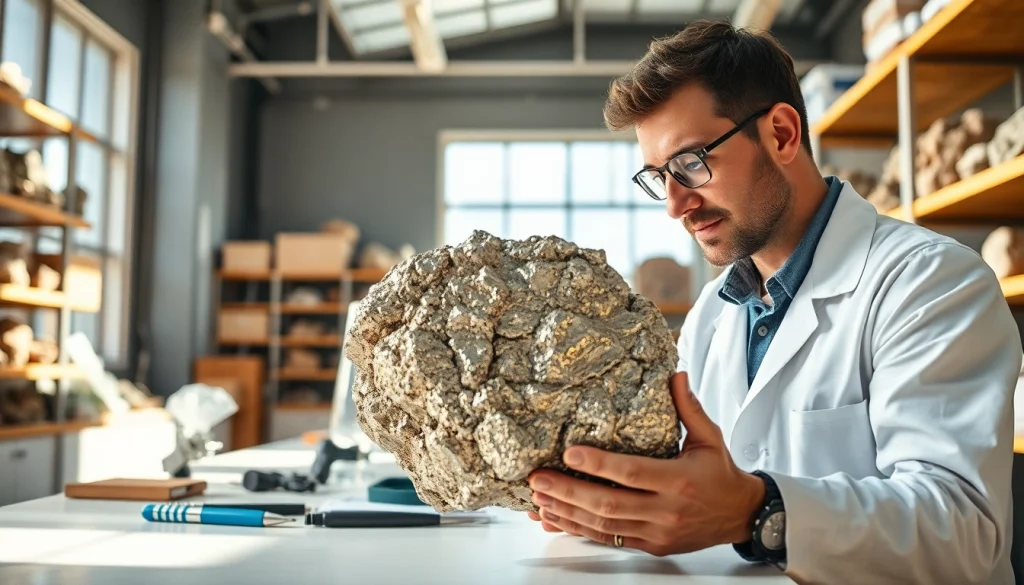
Introduction to Ore
The significance of Ore in our daily lives and its impact on various industries cannot be overstated. Ores serve as the foundation for the extraction of metals and minerals essential for modern civilization, from construction to technology. In this article, we will explore the fundamental aspects of ore, including its definition, characteristics, types, importance in industry, extraction processes, and economic implications. Understanding ore’s role is crucial for appreciating the resources that fuel our economies and advancements in technology.
Definition and Characteristics of Ore
Ore is defined as a naturally occurring solid material composed of one or more valuable minerals or aggregates of minerals from which metals can be extracted profitably. The basic characteristics that define ore include:
- Mineral Composition: Ores typically contain valuable constituents, such as metals like gold, silver, copper, iron, and zinc.
- Concentration: For a material to be classified as ore, it must have a concentration of the valuable minerals significantly higher than that found in the Earth’s crust.
- Market Value: Ores must be economically viable for extraction, meaning that the cost of mining and processing should be less than the value obtained from the minerals.
- Physical and Chemical Properties: Ores may vary in their physical characteristics, such as hardness, texture, and color, influencing the methods used for extraction and processing.
Types of Ore: A Comprehensive Overview
Ores can be categorized into various types based on their mineral content and economic value. The primary classifications include:
- Metallic Ores: Ores rich in metals, including ferrous ores (e.g., iron, nickel) and non-ferrous ores (e.g., copper, lead).
- Non-Metallic Ores: Ores that do not contain metals but have significant economic value, such as gypsum (used in cement) and phosphates (for fertilizers).
- Rare and Precious Ores: Ores containing rare elements or precious metals such as gold, platinum, and gemstones.
Types of Ore
Metallic Ores: Key Examples
Metallic ores form the backbone of many industrial processes. Examples include:
- Iron Ore: The principal source of iron, essential for steel production. Common types include hematite and magnetite.
- Copper Ore: Predominantly found as chalcopyrite, copper ores are vital for electrical wiring and plumbing.
- Bauxite: The primary source of aluminum, from which aluminum oxide is extracted.
- Lead Ore: Commonly derived from galena, it is used in batteries and radiation shielding.
Non-Metallic Ores and Their Uses
Non-metallic ores may not provide metals but hold immense industrial value:
- Gypsum: Used in the manufacture of plaster and wallboard.
- Phosphate Rock: An essential element in fertilizers, enhancing agricultural productivity.
- Clay: Used in ceramics and brick production, crucial in construction.
Rare and Precious Ores
Rare and precious ores are often coveted for their beauty or scarcity:
- Gold Ore: Extracted for jewelry and as investment assets.
- Platinum Ore: Valued for its rarity and use in catalytic converters and electronics.
- Gemstones: Ores containing precious gems like diamonds, rubies, and sapphires are highly sought after.
Extraction and Processing of Ore
Mining Techniques for Ore
The methods employed for extracting ore depend on the type and location of the orebody:
- Surface Mining: Involves removing overburden to access ores close to the Earth’s surface. Common methods include open-pit and strip mining.
- Underground Mining: Employed for deeper ore deposits, involving tunnels and shafts. Techniques include room and pillar and cut and fill mining.
- Mountaintop Removal: A controversial method primarily used in Appalachian coal mining, where the tops of mountains are blasted away to expose coal seams.
Ore Processing Methods
Once extracted, ore must be processed to obtain valuable minerals. Common methods include:
- Crushing and Grinding: Reduces the size of ore particles to facilitate the separation of minerals.
- Concentration: Involves methods like flotation, gravity separation, or magnetic separation to increase the concentration of valuable minerals.
- Smelting: A high-temperature process that separates metal from the ore, producing metal and slag.
Environmental Considerations in Ore Mining
The mining industry faces ongoing scrutiny regarding its impact on the environment:
- Habitat Destruction: Mining activities can lead to significant habitat loss and biodiversity threats.
- Water Pollution: Chemicals used in processing can contaminate local water sources.
- Waste Management: The storage and disposal of tailings and waste materials pose challenges to sustainable mining practices.
Economic Impact of Ore
The Global Market for Ore
The ore market significantly influences global economies. Key aspects include:
- Export and Import: Countries rich in ore resources often export to nations that rely on imports for industrial needs.
- Employment Opportunities: The mining sector provides jobs for millions, directly impacting local economies.
- Technological Advancements: Investments in mining technology drive both efficiency and environmental sustainability.
Ore Pricing Trends and Factors
The pricing of ores is influenced by various factors:
- Global Demand: Economic growth in developing countries increases the demand for metals.
- Supply Chain Disruptions: Natural disasters or geopolitical tensions can impact ore availability.
- Regulatory Changes: Environmental laws may affect mining practices and costs.
Investing in Ore Resources
Investors are increasingly turning to ore resources as a means of portfolio diversification. Factors to consider include:
- Market Analysis: Understanding supply and demand dynamics is crucial for strategic investment.
- Geopolitical Risks: Political stability in mining regions can impact investments significantly.
- Sustainability Initiatives: Companies with strong environmental practices may attract investors due to growing corporate responsibility awareness.
Frequently Asked Questions about Ore
What are the 4 types of ores?
The four types of ores include metallic ores, non-metallic ores, rare ores, and precious ores. Each type has distinct uses and economic importance.
How is ore extracted?
Ore extraction involves mining techniques such as surface mining and underground mining, depending on the location and type of ore.
What makes ore valuable?
Ore’s value comes from its concentration of valuable minerals, market demand, and its profitability for extraction and processing.
What are examples of common ores?
Common ores include iron ore (hematite), copper ore (chalcopyrite), and bauxite (aluminum ore), each used extensively in various industries.
How does ore processing work?
Ore processing involves crushing, grinding, and separating valuable minerals from ores using techniques such as flotation and smelting.