

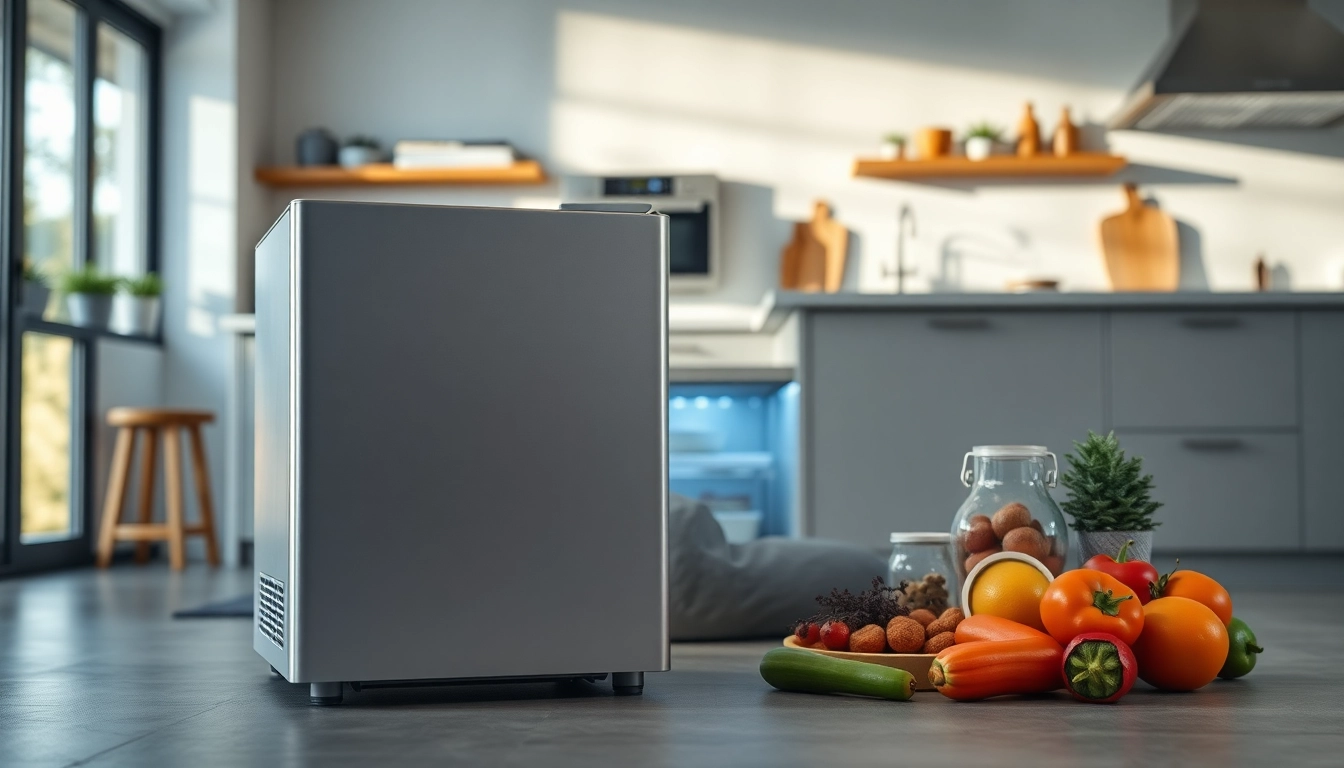
What is a Mini Freezer?
Definition and Purpose of Mini Freezer
A mini freezer is a compact refrigeration device designed for food storage, offering the convenience of freezing without requiring the space of a full-sized freezer. Typically found in homes, apartments, dorms, and offices, these units allow for the storage of a wide variety of frozen foods and perishables, making them ideal for individuals or small families. Their size makes them particularly well-suited for tight spaces, where maximizing storage while minimizing footprint is crucial.
Common Uses in Various Spaces
Mini freezers are multifunctional appliances often used in various environments:
- Dorm Rooms: Perfect for students who want to keep snacks and frozen meals on hand without taking up much space.
- Small Apartments: Ideal for urban dwellers needing additional freezer space without the commitment of a large unit.
- Offices: Useful for storing prepared meals, snacks, or beverages, promoting healthier eating habits.
- Garages and Basements: Serve as overflow storage for meats, frozen fruits, or ice cream, great for those who often buy in bulk.
Size and Capacity of Mini Freezer
Mini freezers generally range from 1.1 to 7.0 cubic feet in capacity, with various sizes accommodating different storage needs. When choosing a size, consider how much frozen food you typically keep and whether you plan to store additional items like ice packs, frozen meals, or ice cream. Understanding your needs can prevent overbuying and ensure optimal use of the space you have available.
Benefits of Owning a Mini Freezer
Space-Saving Solution
The primary appeal of a mini freezer is its ability to conserve space while providing adequate storage. These units fit seamlessly into kitchens, under desks, or in corner areas without overwhelming the room’s aesthetics. They are an excellent solution for homes where space comes at a premium, allowing for strategic food storage without clutter.
Cost-Effective Storage Options
Aside from the initial investment, mini freezers can lead to significant cost savings over time. By allowing bulk purchases, they enable users to take advantage of discounts on larger quantities of meat, frozen vegetables, or other items. This bulk purchasing can lead to lower grocery bills, maximizing the food budget.
Energy Efficiency of Mini Freezer
Many models of mini freezers are designed to be energy efficient, consuming much less power than larger counterparts. Energy-efficient models not only lower utility bills but also contribute to reducing overall household energy consumption, making them an environmentally friendly choice.
Choosing the Right Model for Your Lifestyle
Understanding Your Storage Needs
When selecting a mini freezer, it’s essential to evaluate your specific requirements. Consider the types of food you want to store. If you’re frequently using frozen goods, a unit with easy accessibility and versatile shelving may be the best choice. Additionally, assess whether portability or a freestanding setup is more appropriate for your living situation.
Features to Consider in a Mini Freezer
Beyond the core functionality of freezing, evaluate other features that may influence your choice:
- Temperature Control: Models with adjustable thermostats allow you to set the perfect freezing conditions based on your menu.
- Energy Rating: Look for models with high energy efficiency ratings to save on electricity costs.
- Storage Configuration: Freezers with removable shelves or baskets maximize flexibility, accommodating various items.
- Noise Level: Consider the operation noise, especially if it’s placed in noise-sensitive areas like bedrooms.
Popular Types of Mini Freezer
Mini freezers come in various shapes and designs, including:
- Upright Models: Convenient shelving for organization.
- Chest Freezers: Generally more energy-efficient; they provide ample storage but may require more space.
- Convertible Models: Some mini freezers can switch between being a refrigerator and a freezer, offering versatility.
Installation and Setup Tips for Mini Freezer
Best Locations for Your Mini Freezer
Choosing the right location for your mini freezer enhances performance and accessibility. Ideal spots include:
- Kitchen: For easy access to frozen foods.
- Office: To promote healthier snacking habits.
- Garage or Basement: For larger chest freezers, which can be accessed conveniently when cooking for gatherings or events.
Leveling and Ventilation Requirements
Proper leveling is essential to ensure efficient operation. Use a spirit level to determine if the mini freezer is evenly placed. Adequate ventilation is equally crucial; ensure that there’s enough airflow around the unit, as this prevents overheating and maintains optimal performance.
Connecting Your Mini Freezer to Power
Plug the unit into a dedicated outlet to avoid overloading circuits, especially if using other appliances. Ensure that the electrical outlet provides the required voltage and is easily accessible for maintenance purposes.
Maintenance and Troubleshooting of Mini Freezer
Regular Cleaning Routine
Maintaining your mini freezer requires regular cleaning to prevent odor and build-up of ice. Empty the contents and proceed to wipe down the interior with mild soapy water. Refrigerator cleaning solutions can also work effectively. Regularity in cleaning every few months is recommended.
Common Issues and Solutions
Here are some common problems that can arise with mini freezers and suggested solutions:
- Frost Build-Up: Regular defrosting is essential; consider models with auto-defrost features.
- Temperature Fluctuations: Check the thermostat, and ensure the door seals are intact.
- Unusual Noises: This could indicate that something is out of place; check the interior for any loose items.
When to Seek Professional Help
If issues persist despite troubleshooting, it may be time to consult a professional. Specific concerns such as compressor failure or electrical issues should only be handled by certified technicians to avoid injury or further damage to the appliance.
FAQs
1. How much space does a mini freezer require?
A mini freezer typically requires a few cubic feet of space. Ensure there’s room for ventilation.
2. Can a mini freezer operate efficiently?
Yes, mini freezers are designed for efficiency, providing reliable cold storage in compact designs.
3. What items are best stored in a mini freezer?
It’s ideal for ice cream, overstocked meats, and frozen meals, maximizing your kitchen storage.
4. How often should I clean my mini freezer?
Regular cleaning every 3-4 months helps maintain efficiency and prevent odors.
5. Is a mini freezer energy-efficient?
Many mini freezers are energy-efficient, using less power than full-sized options to save on bills.